


 Loading tweets...


Refugees feel welcomed by Indigenous communities: a study
Refugees settling in Australia feel welcomed by Indigenous communities and believe it is important to respect and learn about first nations’ culture, according to a new survey.
More than half (63 per cent) of respondents said that they felt welcomed by Indigenous communities and that it was important to be welcoming to Indigenous Australians, while just 13 per cent said it was not important.
The findings are part of a survey of refugees who have settled in regional Australia, conducted by migrant and refugee settlement agency AMES Australia and the University of Wollongong.
The interim results of the ‘Settling Well’ survey found refugees in the regions feel welcome and safe, and value the peaceful environment regional communities provide in raising children.
The study is a five-year longitudinal comparative assessment of the impacts of refugee settlement in regional Australia.
The study surveyed refugee and established communities in Nhilll, Mildura, Albury-Wodonga, Cowra-Orange, Rockhampton and Townsville.
Mildura based former refugee Jules Kangeta said it was important to respect Indigenous culture.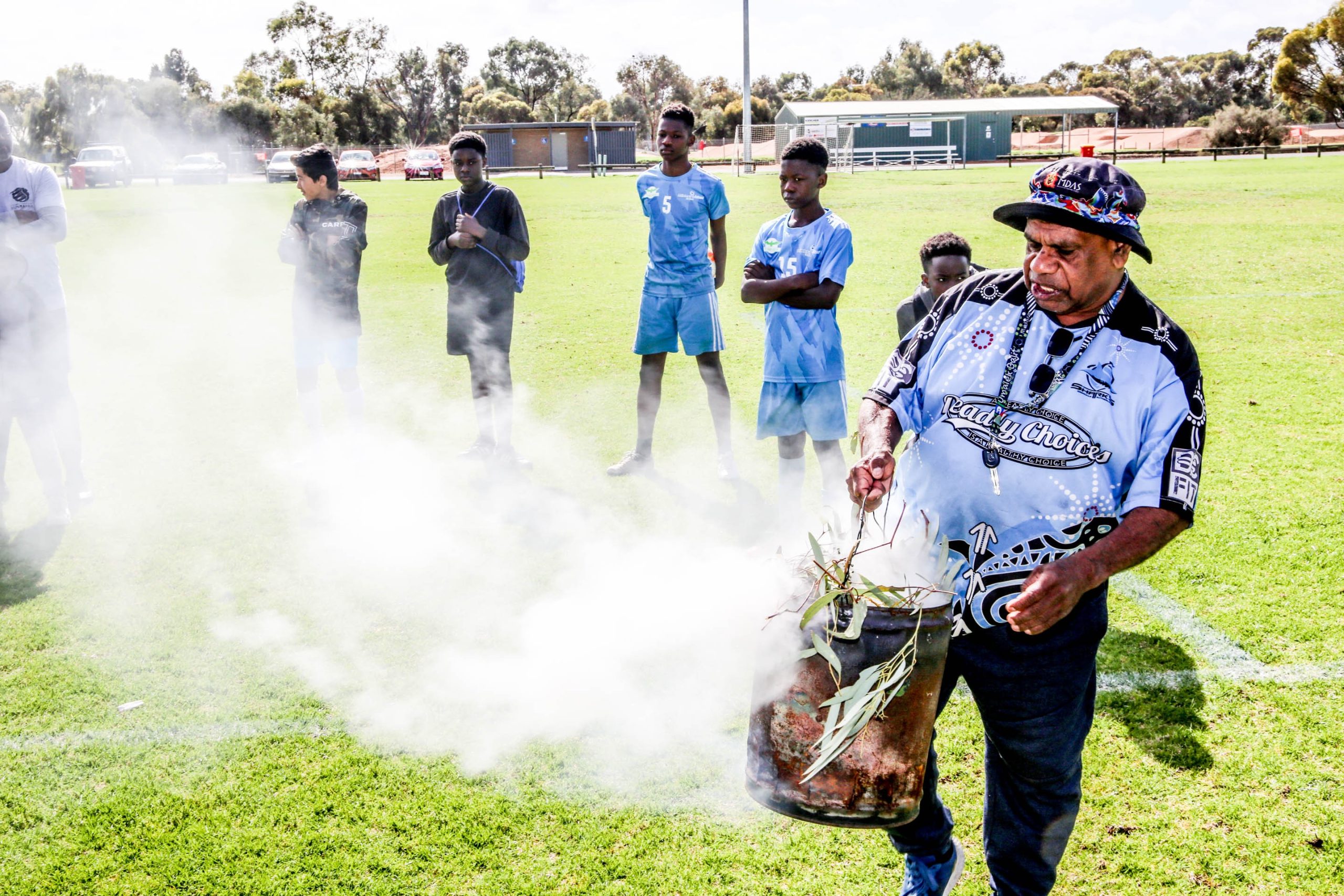
“I find welcome to country ceremonies very moving. You can see an ancient culture at work and the local Indigenous community are telling us we are welcome,” Mr Kangeta said.
“It is a very generous gesture that shows love and shows that these are good people. The ceremonies are important because they give authority and agency to newcomers, like me, to this country.
“It is important that Indigenous communities are recognised and have a say in the country that was originally theirs,” Mr Kangeta said.
AMES Australia CEO Cath Scarth said refugee and Indigenous communities had many things in common and natural affinity.
“Many people from both communities can, at times, feel marginalised and can struggle to find their places in mainstream society. So, it’s not surprising there is a level of empathy between them,” she said.
The study also found refugees were finding employment opportunities and affordable housing in the regions.
It found refugees valued the lack of congestion in regional Australia and most planned to stay.
However, the study also identified issues with a lack of service provision and educational opportunities.
It asked refugees how they felt about life in rural Australia in terms of economic, cultural and social outcomes as well as access to opportunity and health and wellbeing.
The study surveyed 324 people from 25 countries. Most of the participants were from the Democratic republic of Congo, Burma, the Central African Republic, Afghanistan and Bhutan.
“Overall, people feel safe and peaceful in regional Australia. They felt welcomed by, but also a little isolated from, communities mostly because of language barriers,” the report said.
“They like the lack of congestion, and they see regional communities as better places to raise kids because they see them as safer from bad influences”. But this also comes with less educational opportunities.
“Many people have been able to buy houses, that would have been out of reach in the cities. And employment opportunities are generally good,” the report said.
When asked if they planned to stay in regional Australia, 75 per cent said they planned to stay long term and just 5 per cent said they did not.
The study found refugees were mostly satisfied with the support they received on settling into new communities.
“We found that individuals – settlement workers, volunteers and community members – were important in helping people to settle,” the report said.
The study also found services in the regions were less accessible than in cities.
“In some communities we found a lack of things like dental services, refugee mental health and immigration lawyers,” the report said.
“We also found that younger adults were missing out on schooling and further educational opportunities.”
The study also identified a lack of English language tuition in secondary settlement locations, where mainstream settlement services are not available.
The study’s preliminary recommendations included: flexible settlement core funding to respond to needs that arise; reassessment of needs after initial settlement, and flexible delivery of English language classes tailored to different aspirations and locations.