



 Loading tweets...


Refugee family secures a future
An Afghan refugee family are rebuilding their lives in Melbourne after fleeing the Taliban and spending almost a year in legal limbo in Pakistan.
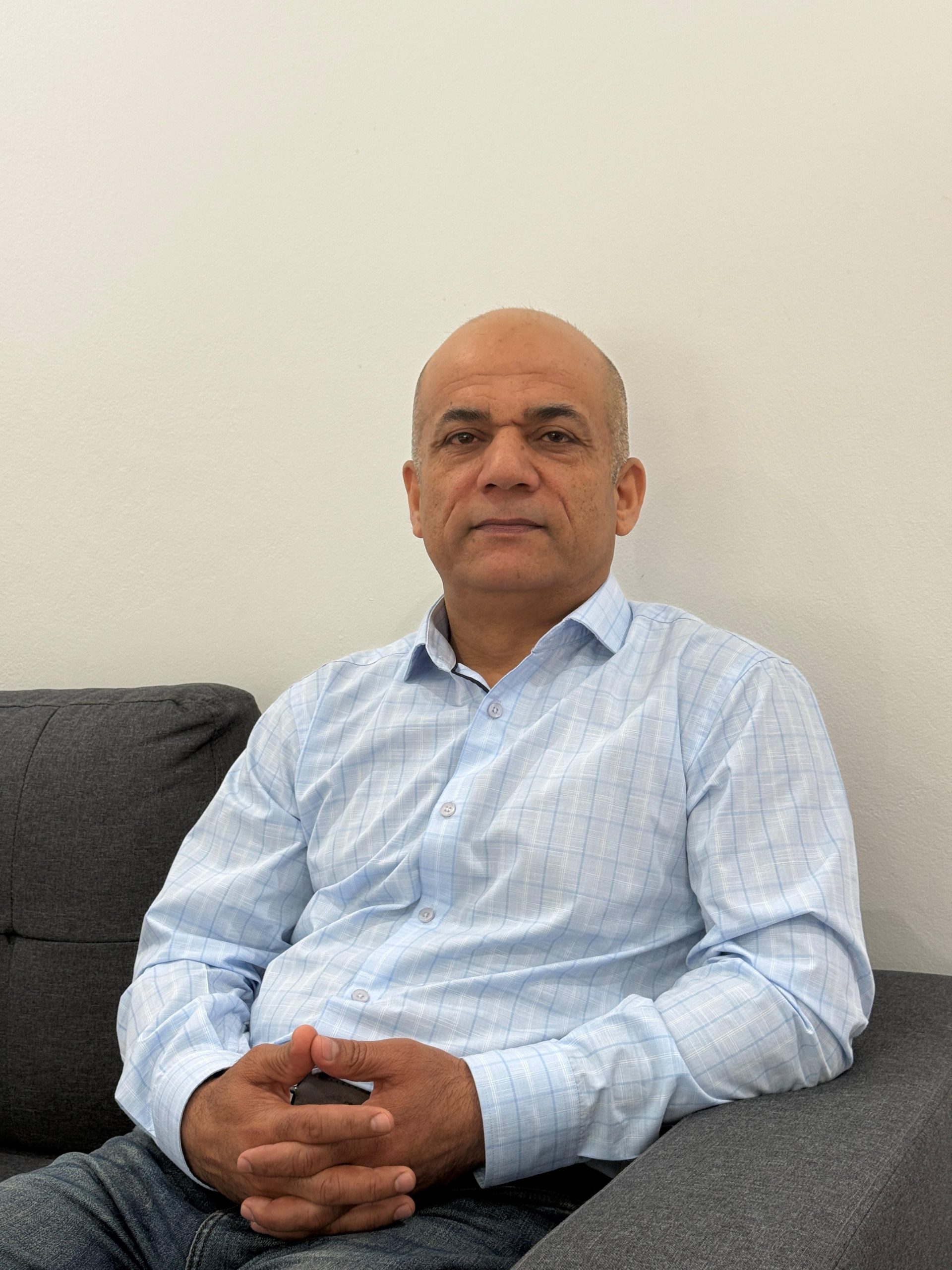 Amanullah Sarfaraz says that most importantly, his daughters will now be able to go to school and pursue careers, things that are banned for women under Taliban rule.
And he is now helping other refugees settle and navigate a new society.
Amanullah worked on Australian-funded education projects in Afghanistan between 2012 and 2014.
When the Taliban returned to power in Afghanistan in September 2021, life became difficult for Amanullah, his family, and others who had worked for international organisations. He had fears for his family’s security and future. And his two daughters were barred from attending school.
As an agricultural economist and a former Australian-engaged employee, he was eligible for a visa under the Locally Engaged Employee (LEE) scheme, and he applied for a visa in 2023.
Amanullah and his family travelled to Pakistan where they spent six months before being granted a visa to come to Australia, arriving in January 2025.
In September 2021, thousands of Afghans with links to the Australian Government or military began leaving Afghanistan following the fall of the Afghan government and the return of the Taliban.
About 180,000 Afghans were airlifted out of the country by coalition air forces and hundreds of thousands more found temporary refuge in Pakistan and Iran.
In just two weeks in September 2021, more than 2000 Afghan evacuees arrived in Melbourne alone, in the midst of COVID-19 lockdowns and quarantine mandates.
Amanullah and his family were able to come to Australia at a time when Pakistan began deporting Afghans to their homeland amid fears of political persecution and a growing humanitarian crisis.
Since 2024, Pakistan has been deporting Afghans back to their homeland where they face financial struggles and a lack of housing and services.
“Life was difficult under the Taliban. There were security fears, and the job market effectively disappeared,” Amanullah said.
“Girls are not allowed to go to school and continue to higher education in universities. Women are banned from working in government offices and NGOs.
“My wife was banned from working. Day by day there was a decrease in the number of teachers, in government schools because women teachers could not work.
“There were just too many challenges, and it seemed everyone was trying to get out of the country,” he said.
Amanullah says that when he arrived in Australia, he was impressed and inspired by the settlement support he and his family received.
“I had worked in different humanitarian projects in Afghanistan serving diverse communities and when I saw the work AMES does, I was inspired.
“So, I started volunteering as an interpreter for other refugees and in English classes,” Amanullah said.
Through volunteering with AMES and other organisations, Amanullah gained experience of Australian workplace culture.
After a few months, he successfully applied for an Orientation Guide (OG) position with AMES and was successful. Now, Amanullah works as a guide, supporting newly arrived refugees and helping them navigate their settlement journey.
“I’m passionate about humanitarian work and supporting other people settling in Australia. My role is to help them navigate a new society and much of my work is outreach, out in the community. It includes helping them with public transport, banking, telephones, doctors’ appointments and more,” he said.
Amanullah sees a career pathway for himself in this work. He is currently studying Certificate III in Individual Support and plans to pursue a Diploma of Community Services (Case Management) with the goal of becoming a Case Manager in humanitarian settlement.
Now settled in Dandenong, in Melbourne’s south-east, he says: “Life is good in Australia for my family.”
“I’m positive about the future. My kids will have opportunities they could never dream of in Afghanistan, especially my two daughters who` would not be able to go to school,” he said.
Amanullah’s story is a testament to how refugees, when given opportunities, can thrive and contribute meaningfully to Australian society.