


 Loading tweets...


Refugees settling well in regional Australia – study finds
The settlement of refugees in regional Australia is a success story with refugee families building successful lives and regional communities benefitting from their presence, a new research report has found.
The ‘Settling Well in Regional Australia’ report, produced by a team led by researchers at the University of Wollongong, found that 97 per cent of refugees surveyed said their experience of settling in a regional town had been good, and 76 per cent said they intended to continue living in their town long term.
It found 88 per cent of people thought their town was a good place to live, and 84 per cent said they felt they belonged there.
A quarter of people had bought their own home, 70 per cent have undertaken English language classes since arriving in Australia, and 80 per cent said their health was good. Sixty-seven per cent of people said they were prosperous, very or reasonably comfortable given their current needs and finances, the report found.
Forty per-cent of respondents were employed and 30 per cent unemployed and looking for work. Among common occupations were meat workers, cleaners, disability support, aged care and nursing.
However, the report also found half of respondents had experienced discrimination or racism in their towns, most commonly on the street, at workplaces or on public transport.
And three in ten people said they had gone without meals in the past 12 months because of a lack of money.
The report said the regional settlement of refugees generated positive impacts for host communities far beyond population growth.
“Refugee settlement enriches regional cultural life through diverse practices, cuisines and festivals, with food emerging as a particularly powerful medium for cultural exchange,” the report said.
“Former refugees have helped sustain essential services by maintaining viable schools, sporting clubs and businesses that might otherwise struggle with declining populations. Their economic contributions are substantial. Former refugees fill workforce gaps in key sectors, develop entrepreneurial ventures and increase consumer spending, which makes them integral to regional economies, especially during labour shortages,” it said.
The study, led by the University of Wollongong’s Dr Natascha Klocker and supported by migrant and refugee settlement agency AMES Australia, canvased 628 people, from 32 countries, living in Mildura, Nhill, Townsville, Rockhampton, Orange, Cowra and Albury Wodonga.
AMES Australia CEO Melinda Collinson said the report showed the value of regional refugee settlement.
“We know from work supporting refugees settle in Nhill and Mildura that, with appropriate support and local buy in, regional settlement programs can generate some great outcomes,” she said.
“The report shows settling refugees in regional areas can be great for the families settling, in terms of employment, education and housing opportunities, and in terms of becoming part of welcoming, inclusive communities,” Ms Collinson said.
“It is also of benefit to the host communities in terms of achieving a critical mass of population, filling skills shortages and bringing rich cultural diversity,” she said.
The study found that settlement outcomes were affected by whether the regional location in which they live is a government-supported Humanitarian Settlement Program location, the quality and duration of their settlement support and the presence of an established community from their homeland or region.
It found inclusive and welcoming communities were important to successful settlement.
“Practical support systems, including both formal volunteer programs and informal assistance from neighbours, help former refugees navigate their new environments, while efforts to accommodate former refugees’ cultural and religious needs demonstrate genuine welcome and respect for identity,” the report said.
It said there was strong evidence social connections were integral to refugee settlement and refugee communities sought to connect with broader community members and share their culture at the community level through organised events.
“Such events can strengthen feelings of connection and belonging, and lead to greater cross-cultural understanding and acceptance. They also enable former refugees to feel that they are contributing to their new community. Supporting these events through provision of funding and community spaces could enhance social connectivity and increase the chances of cross-cultural friendships,” the report said.
The research also found connections between regionally settled refugees and First Nations People.
“A finding emerging from this research is the similarity of some cultural orientations around land, soil, and the significance of place. Many former refugees discussed their own place-based connections and practices and identified similarities with Aboriginal and Torres Strait Islander cultures,” the report said.
Australia’s regions were good places for refugee children, the report concluded.
“Overall, regional areas provide a positive environment for children and young people from refugee backgrounds to flourish, with participants valuing safety, security and access to schools and other services,” the report said.
“Children’s social belonging is crucial for families’ successful settlement, with transitions to schooling being particularly important. Key factors supporting positive school transitions include appropriate language support, accommodation for diverse educational backgrounds and efforts to promote social inclusion. Outside of schools, opportunities to participate in local sports are important for children and young people’s social inclusion,” it said.
English language acquisition was critical to successful settlement, but tuition delivery needs to be tailored to the needs of different cohorts, the report said.
“English classes serve purposes beyond language acquisition, functioning as valuable social settings that provide community connection. This social focus can frustrate younger learners who seek more intensive language development for employment and education,” it said.
“Creating separate learning streams based on goals and learning pace could better serve diverse participant needs and improve outcomes for all. Greater flexibility in funding – to accommodate smaller class sizes in regional locations – would help former refugees meet their English goals more effectively.”
Housing and employment were identified in the report as key factors in successful settlement.
“Finding appropriate and stable housing is crucial to retention of former refugees in regional Australia. Many regional towns also offer better opportunities for home ownership than bigger cities. Home ownership is an aspiration for many former refugees. Those who own their homes often feel deep satisfaction and a sense of achievement, security and belonging,” the report said.
It said mainstream employment service providers were not delivering satisfactory support for former refugee clients.
“Instead, former refugees’ networks and connections – with co-ethnic community members and broader community members – are key to successful employment outcomes. Investing time and resources into building former refugees’ social networks upon arrival in regional
Australia is therefore an important step that will, in turn, open work opportunities,” the report said.
Overcoming a fear of authority and engaging civic participation were difficult steps for many refugees, the report said.
The researchers said many participants described their “journey toward feeling safe enough to engage with their new communities, with regional areas offering both unique opportunities for meaningful participation and distinct challenges”.
“The smaller scale of regional communities may create more personal connections with local authorities and community leaders, while geographical distance from services and lack of interpreter access can create significant barriers to engagement,” the report said.
Australia’s health system was something valued by many refugee survey participants but accessing care had some challenges, the report said.
“While many express gratitude for Australia’s Medicare system and basic health infrastructure, they also encounter significant barriers including long wait times for appointments, limited cultural competency among healthcare providers and difficulties accessing specialist services that are often only available in major cities,” the report said.
“Cultural and language barriers significantly impact healthcare experiences, with many participants struggling to navigate complex health systems without adequate interpreter services or culturally sensitive care.”
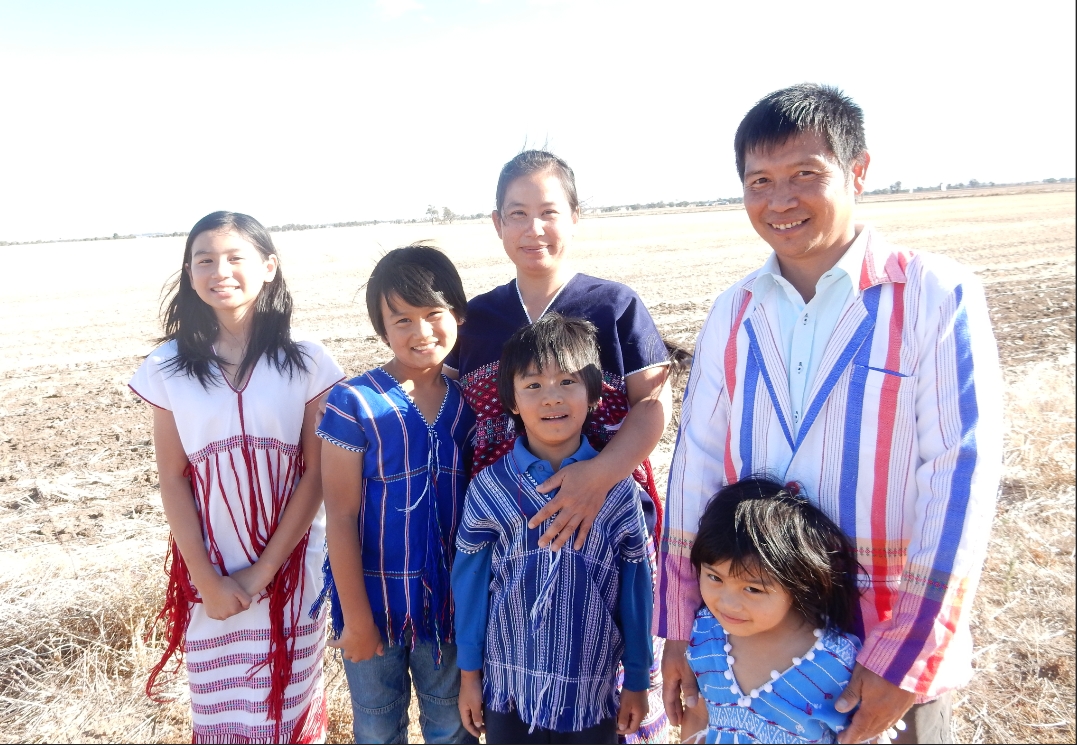 Former refugee Kaw Doh, who has settled at Nhill, in western Victoria, says settling in regional Australia has been life changing.
Kaw Doh was one of the first Karen refugees to settle at Nhill. He lived in a refugee camp on the Thai-Burma border for seven years and came to Australia as a refugee 12 years ago.
He and several other Karen moved from their community in Werribee to take up work in Nhill.
“I found it very different at first, I lived in a big house with ten to twenty people,” Kaw Doh said.
“Looking back, it was a good experience, coming to live here (in Nhill). Melbourne was very expensive and here we had work,” he said.
“Since the Karen settled here about twenty families, including me, have bought houses,” Kaw Doh said.