


 Loading tweets...


Sudan humanitarian crisis worsening
The humanitarian crisis in Sudan, already the world’s worst, is becoming more dire with 11 million people now displaced and a death toll around 400,000, recent reports say.
Sudan has been facing large-scale displacement since its civil war began, three years ago this month, and the conflict between the Sudanese Armed Forces (SAF) and the Rapid Support Forces (RSF) has forced millions of Sudanese to leave and become refugees in neighbouring countries.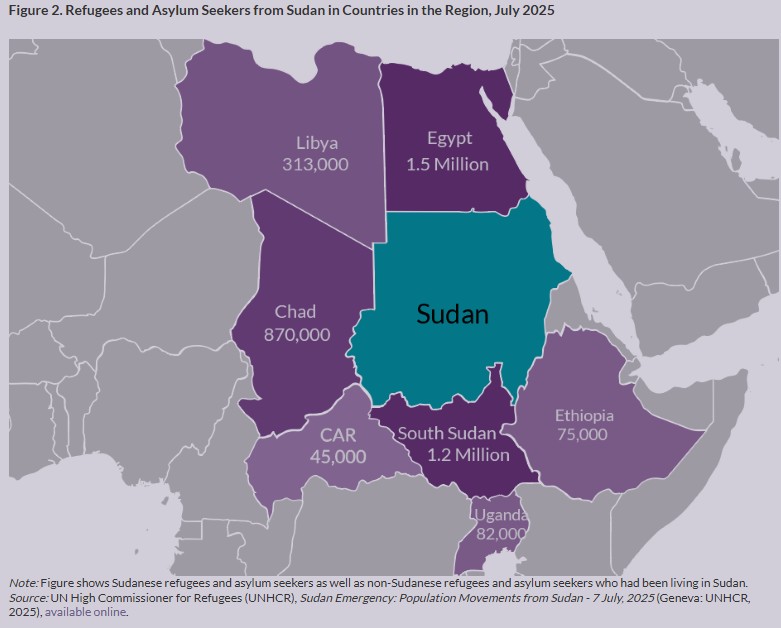
The conflict is causing widespread famine, poverty, lack of access to medical care and education, as well as telecommunications blackouts.
The situation has been exacerbated by dramatic cuts to global humanitarian funding caused largely by the US’ withdrawal from supporting global aid projects.
As the numbers of displaced rise, there is little sign of a peace deal that would end the conflict.
Displaced Sudanese are fleeing to overwhelmed refugee camps in nearby countries such as Chad, Ethiopia and South Sudan.
More than a million Sudanese refugees face drastic cuts in life-saving aid such as food and water unless donors fill a funding shortfall of over $400 million, UNHCR says.
The conditions in displacement camps within Sudan are also horrifying. Overcrowding, lack of sanitation, and food shortages have left millions in extreme distress, according to the agency.
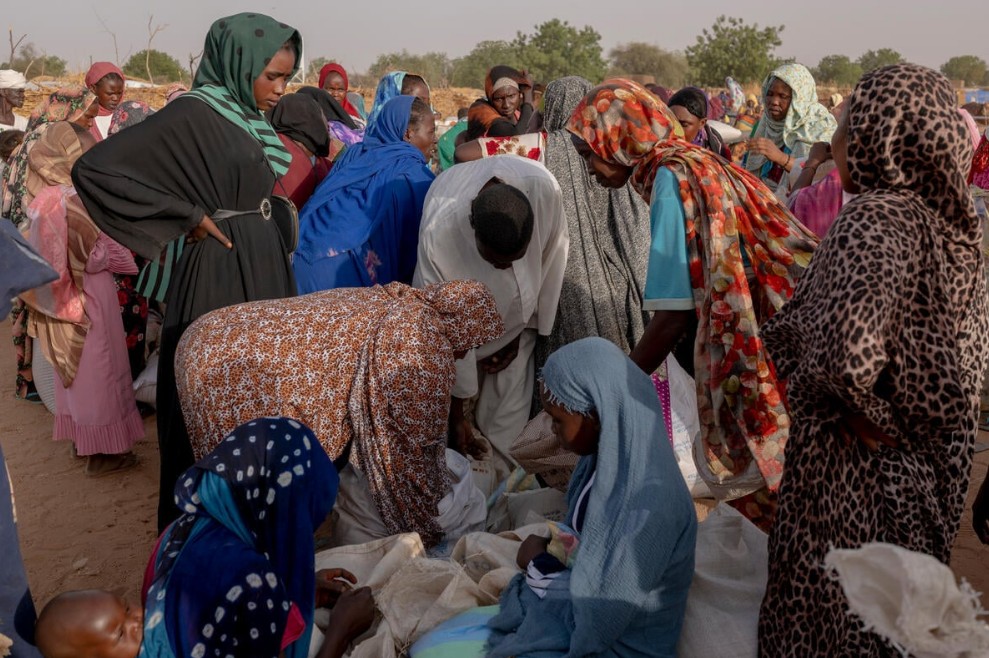
“Women and children, who make up the majority of the displaced, are particularly vulnerable. Many have been subjected to gender-based violence, and young children are suffering from malnutrition and disease due to poor living conditions,” a recent UNHCR report said.
“The situation is especially dire in conflict-affected states like Khartoum, Darfur, and Al-Jazeera, as well as in eastern states like Gedaref and Kassala,” it said.
With international aid organisations struggling to access these regions, many families have been left to fend for themselves.
UNHCR says that 25 million Sudanese need urgent humanitarian assistance, with 17.7 million facing severe food insecurity.
Organisations such as the United Nations Crisis Relief, Medecins Sans Frontieres and Save the Children are in the region providing resources, focusing of food relief because of growing hunger.
Save the Children says it is providing food, water, shelter and medical services that reach more than 200,000 people but the agency says there are many more are in need of services.
The UN refugee agency UNHCR has developed a strategy that it says will support the Sudan refugee crisis response.
According to the UNHCR, there needs to be a focus on keeping borders open across seven countries to support asylum seekers.
The UN and NGOs can then implement resources for displaced populations. This will include increased food access, medical care, expanded agriculture, general education and vocational education programs. To establish these programs without straining neighbouring countries, the UNHCR has stated that a large investment must be made.
But the largest obstacle to this plan is the proposed budget for relief.
The UNHCR has estimated $US907 million is needed to make the plan work. It says that because the number of displaced people is so large and issues like famine require quick action, significant resources are needed.
The most urgent needs, such as addressing famine, will be addressed with available and incoming resources, while funds can be raised for additional programs, the UNHCR says.