 Loading tweets...


IOM marks 75 years
The International Organisation for Migration, the UN’s migration agency, is marking 75 years of supporting people travelling on migration routes across the globe.
The inception of IOM, in the aftermath of WWII, came at a time when international cooperation helped people on the move find new possibilities, while supporting countries seeking to grow and rebuild.
The anniversary and the images from those times give pause for thought at a time when increasing numbers of countries are closing their borders to migrants and refugees and anti-migrant rhetoric is on the rise.
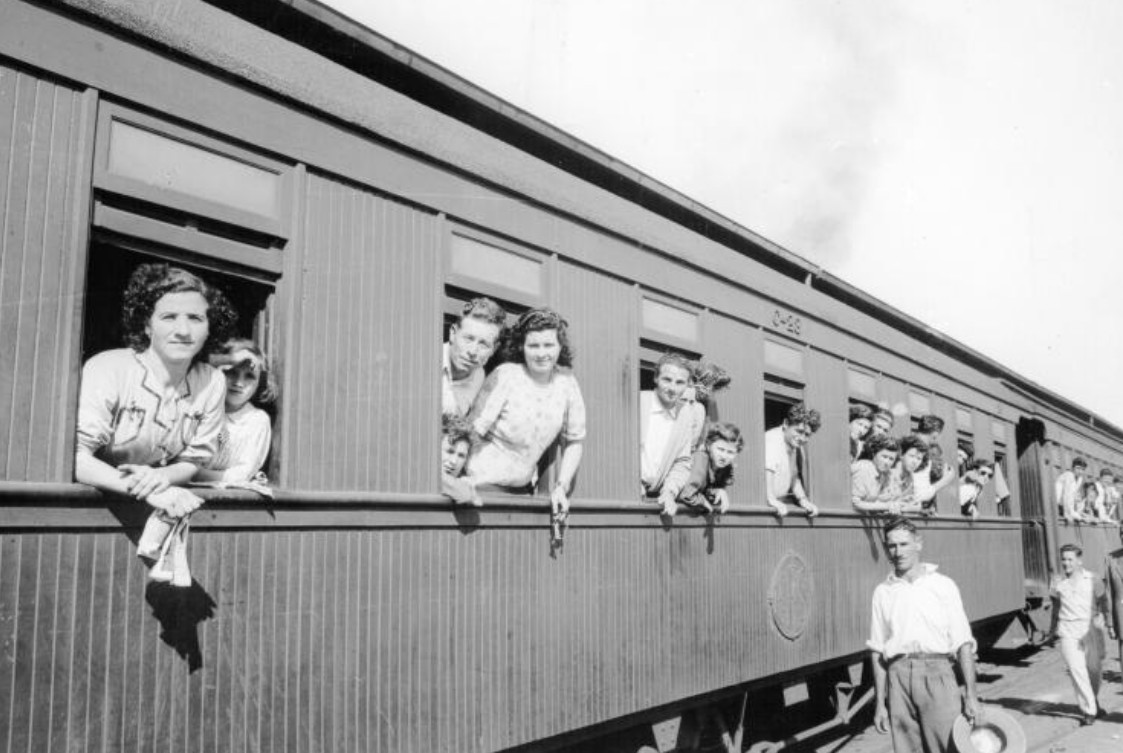
At the end of WWII, countries across Europe were struggling to rebuild societies shaken by years of destruction and displacement.
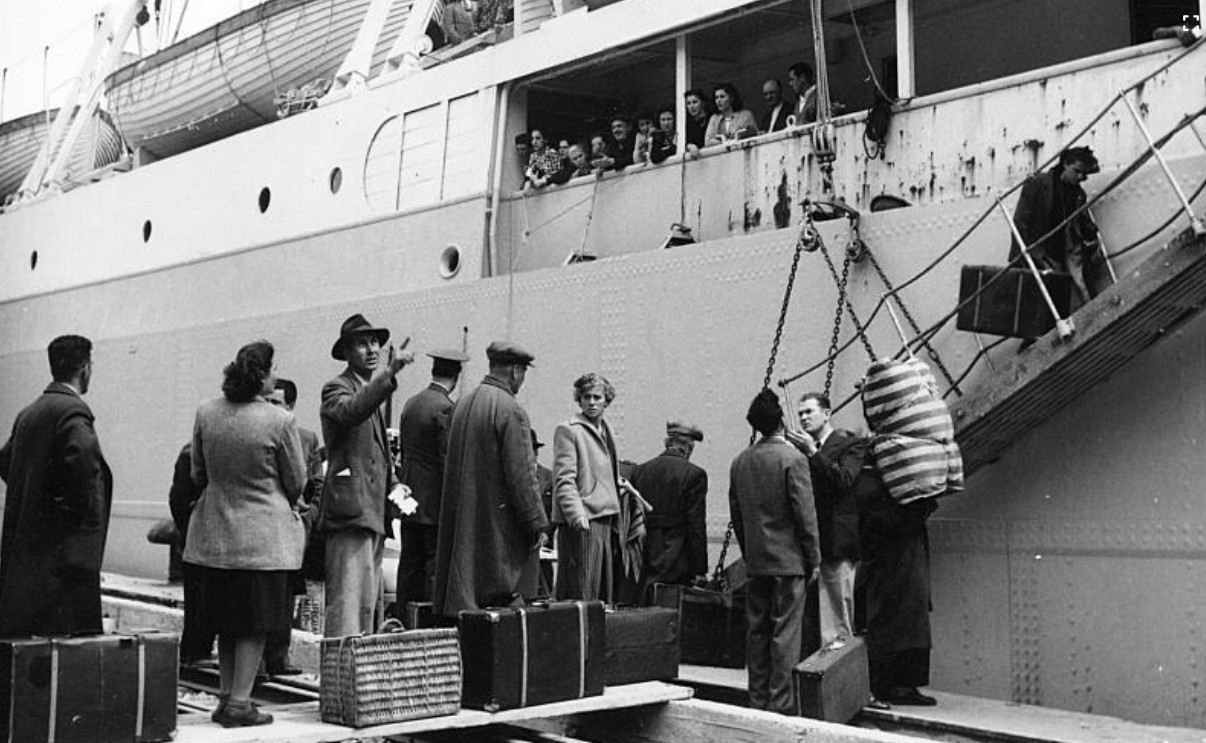
Cities and towns lay in ruins, economies were fragile, and millions of people had been uprooted from their homes. Refugees, displaced persons, and workers searching for opportunities were housed in camps and temporary settlements.
At the same time, countries in South America such as Argentina, Brazil, Venezuela and Chile were expanding their agricultural production, developing industries and seeking workers who could contribute skills, labour and experience.
These parallel situations coalesced into a rare moment in time where the needs of both aligned.
Europe had people searching for opportunities and stability, while parts of South America were actively seeking workers and technical expertise to support economic growth.
It was at this juncture the Intergovernmental Committee for European Migration (ICEM) – the organisation that would later become the International Organization for Migration (IOM) – began coordinating large-scale migration across the Atlantic.
Established in the 1950s to respond to the massive displacement following the war, ICEM helped organise transport and logistical support for migrants seeking new beginnings overseas.
The mass movement of people spawned what we now know as resettlement infrastructure.
Documentation was created and verified, travel arrangements were coordinated, and migrants received guidance about the next stage of their relocation.
ICEM also organised orientation activities designed to help migrants prepare for life in their destination countries. Information sessions introduced migrants to practical aspects of their future lives, including language, employment opportunities and social conditions.
For many families preparing to settle in unfamiliar places, this information helped ease the transition and offered reassurance about what awaited them across the ocean.
Upon arrival in South America, migrants were received through coordinated reception processes involving national authorities and local institutions, meaning that newcomers could begin settling into their new environments as smoothly as possible.
ICEM also coordinated onward transportation from ports to locations identified by national migration programs. Some migrants travelled inland to agricultural regions where labour was needed to cultivate land and expand food production. Others continued to industrial centres where factories and growing urban economies required skilled and semi-skilled workers.
Gradually, families began establishing themselves in new communities. Skills learned in Europe were put to work in farms, workshops, factories and small businesses.
Over time, migrants became part of the social and economic fabric of their host societies, contributing labour, knowledge and cultural traditions to the communities that welcomed them.
These movements were part of a broader post-war effort, which included the creation of the refugee agency UNHCR and the signing of 1951 Refugee Convention.
See more photos: The First Steps of a Global Migration Story