





 Loading tweets...


Migration restrictions a drag on global economy – UN report
Access to safe and regular migration pathways is a driver of economic growth and development worldwide, according to a new report from the International Organisation for Migration (IOM).
The World Migration Report 2026 argues that restricting these pathways does not stop migration but instead shifts it into more irregular and dangerous routes, increasing risks for migrants and costs for nations, while limiting the broader benefits of migration.
The report says migration continues to play a central role in the global economy.
By mid-2024, there were an estimated 304 million international migrants, about 3.7 per cent of the world’s population, a share that has risen gradually over time.
The number of international migrant workers has been growing too, and during the decade from 2013 to 2022 this number increased by more than 30 million, according to the latest available estimates.
“Financial flows from migrants remain a key source of support. Remittances in 2024 were expected to reach an estimated $US 905 billion, including $US 685 billion to low and middle-income countries,” the report said.
“These flows now exceed official development assistance and foreign direct investment combined,” it said.
Launching the report at the International Migration Review Forum (IMRF) in New York, IOM Director General Amy Pope said that across the world, migration helps drive jobs, economic growth, stability and social cohesion.
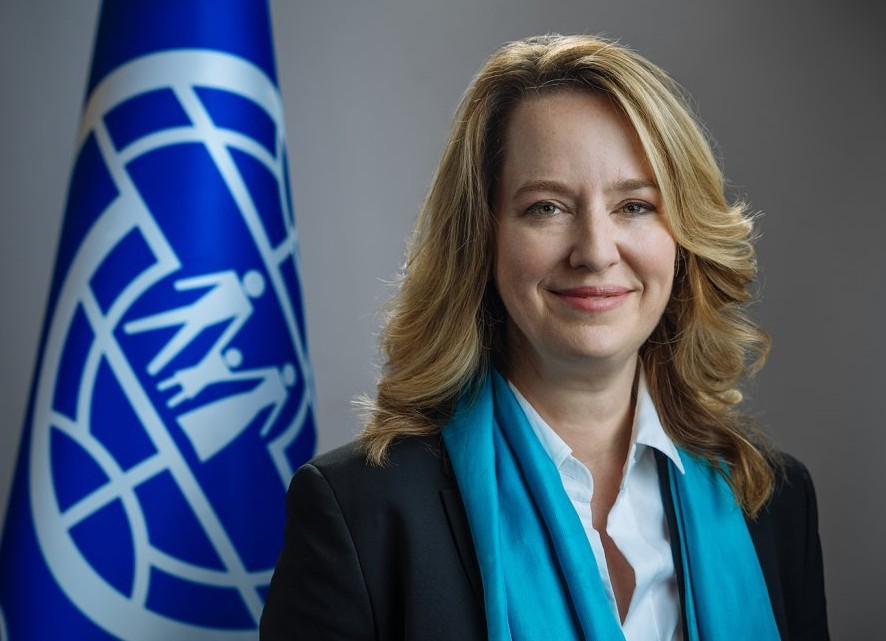
“Every country has the right to shape its own migration policies. The evidence shows, however, that when States cooperate at regional and global levels, migration is better managed, helping to build public trust and deliver stronger benefits for economies, communities and people on the move,” she said.
“The report warns that these benefits of migration are at risk. As pathways narrow, it is shifting into more dangerous channels, increasing both human and economic costs,” Ms Pope said.
“Ensuring safe and regular pathways and strengthening regional cooperation are concrete steps that help countries manage migration more effectively,” she said.
The report also says that while the number of international migrants has grown over time, migration patterns vary significantly across regions, meaning that there is no single global migration profile and that responses must be tailored to regional realities.
The report says access to migration opportunities is uneven, with pathways expanding more for people in higher-income countries while remaining constrained for those in lower-income nations.
This is reinforcing global mobility inequality, lowing labour mobility and reducing the potential economic gains migration can deliver, the report says.
The report comes as global displacement remains at record levels with more than 120 million people currently displaced worldwide. This includes refugees, asylum-seekers, and internally displaced persons.
It says most displacement occurs within countries rather than across borders, and is increasingly shaped by a combination of conflict, environmental pressures, and structural vulnerabilities.
“Many of the largest displacement situations are protracted, requiring longer-term, development-oriented responses alongside humanitarian assistance,” it says.
“Migration also supports labour markets, helps address skills gaps, and drives innovation. Diaspora communities play a role in maintaining economic and social links between countries, including through knowledge exchange, investment, and remittances.”
The report outlines practical steps to reap these benefits, including expanding safe and regular migration pathways, reducing remittance costs, and supporting skills mobility and reintegration.
It calls for stronger regional cooperation, improved data collection, and more inclusive, evidence-based policies to better manage migration in a rapidly changing global context.
Read the full report https://publications.iom.int/books/world-migration-report-2026