


 Loading tweets...


Refugee Week – Syrian refugee inspired to become leader and advocate
Kifarkis Nissan arrived in Australia a decade ago fleeing the death and chaos inflicted on his native Syria by the extremist militant groups ISIS.
Since then, he has rebuilt his life, supported hundreds of fellow refugees who have followed in his footsteps and become a leader and advocate for his own community.
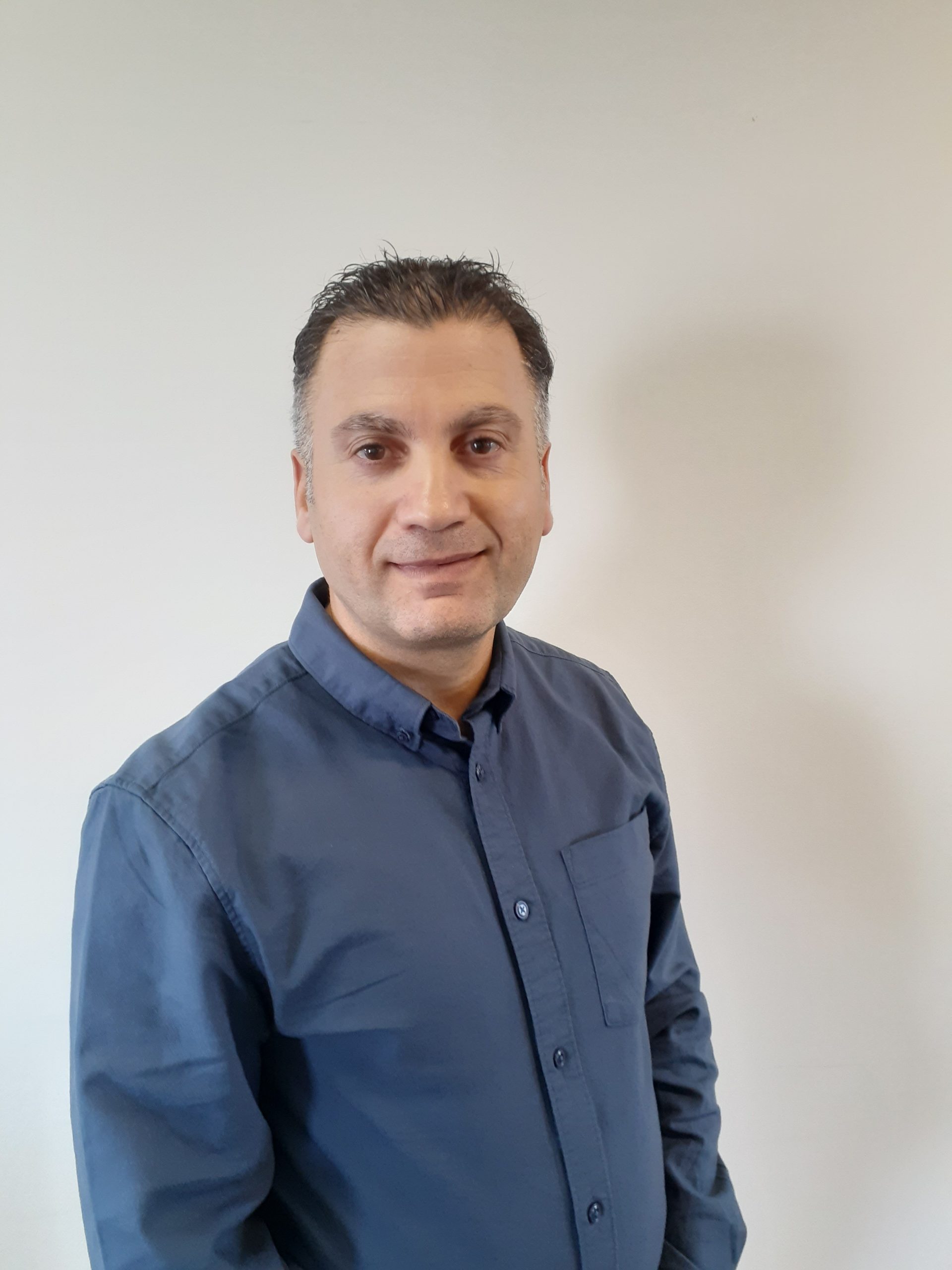
“Since arriving in Australia, it hasn’t been an easy journey. But it was exciting and filled with challenges at different times,” Kifarkis says.
“Understanding a new culture and finding employment and vocational pathways were among these challenges.
“I approached this by completing some courses; in English, in youth work, in community services and I have worked in these areas as well as in mental health, family violence,” he says.
Outside of his paid work, Kifarkis supports members of his own community in their settlement process through direct support and advocacy.
“I feel like I’ve been able to be a bridge across cultures,” he says.
Kifarkis is now working with a leading community support organisation in Melbourne’s north as a community capacity building practitioner.
“Our work deals with the effect the pre-arrival experiences and trauma have had on people settling in Australia. I am particularly focused on empowering leadership skills in our community,” he says,
Kifarkis has also helped to find a news site on Facebook for Arabic speaking people in Australia.
Australia Public News delivers contextualised news and information to Arabic-speaking communities in Australia.
“The page has a large number of subscribers because it gives reliable information on all sorts of aspects of life in Australia in a simple format to people who might otherwise struggle to access it,” he says.
Kifarkis says he arrived in Australia having lost everything and has worked hard to restore his family’s financial security.
“Life is full of challenges and issues but the resilience I gained surviving a journey as a refugee has helped me overcome the pressure I have, at times, been under,” he says.
“I worked hard – sometimes 14 or 15 hours a day. We bought a house and paid it off.”
Kifarkis and his wife also founded a driving school operating on weekends and after hours. The business has also given other Syrians employment.
“The business gave us extra income and opportunities for others in our community,” he says.
Since arriving in Australia, a particular focus for KIfarkis and his wife has been equipping their two children for success.
“We want our kids to do well in education and go on to university. They are living in two cultures. They are from the Middle East and are being schooled in western culture,” he says.
“This presents them with language challenges, and cultural challenges, but we are trying to equip them to be successful.”
Kifarkis and his wife has four children, two of them born in Syria and two born in Australia.
“They are attending a local Catholic school and outside of school are involved in sport, tutoring workshops and spiritual learning.”
His family have made a success of their new lives in Australia and are optimistic about the future, Kifarkis says
“Overall, we have settled well and adapted to a new culture. But I consider myself still trying to reach my goals and achieve the purpose of my life,” he says.
He says the benchmarks of this purpose are to develop his leadership skills, being empathetic and being a role model and advocate for his community.
Kifarkis’ work in this area was recognised recently when his name was added to the Victorian Multicultural Commission’s Victorian Multicultural Honour Role.
“Being acknowledged with the multicultural award was my biggest achievement along with being recognised by my own community as a leader,” he says.
As civil war engulfed his homeland in 2012 Kifarkis’ call up for army service left him with an appalling choice; join the military and risk his family being killed by rebel militias – or refuse to serve and be jailed.
Instead, Mr Nissan took a third option – he fled his homeland and found relative safety in a refugee camp in Lebanon.
As Christians, Mr Nissan and his family were in grave danger as Islamic State (ISIS) took control of vast swathes of the Syrian countryside.
They were part of an Assyrian Christian community living in more than 30 villages strung out along the Khabur River in northern Syria close to the border with Turkey.
After ISIS took control of the region, its villages were now emptied and their 30,000-or-so inhabitants either fled, were killed or kidnapped.
“They were asking ransom of $US10,000 per person when an average salary was about $US100 a month. So, it was impossible for people to pay,” Kifarkis says.
The former agricultural engineer says Christians and other minority groups were caught in the middle when fighting erupted between government forces, ISIS and other rebel militias.
“Christians were out on a limb. We were not with the government; we were not with the rebels and everyone discriminated against us. Often we didn’t know which group the people threatening us were from,” he says.
“I did not want to take sides; I did not want to take up weapons so when I got the letter from the army saying I must join them it put me in a very bad position.
“Where we lived there were rebel groups who opposed the army, so if I joined the army I would have been leaving my family in danger. If I didn’t join, the army would come for me,” he says.
The day he received the letter and realising the invidious position he was in, he took his family across the border into Lebanon.