



 Loading tweets...


South Sudan food crisis looming
More than 650,000 refugees and asylum seekers in South Sudan are facing starvation because of an aid funding shortfall, the United Nations has warned,
The UN’s refugee agency UNHCR says access to food aid could end within weeks, potentially forcing some refugees to return to war-torn Sudan in search of aid.
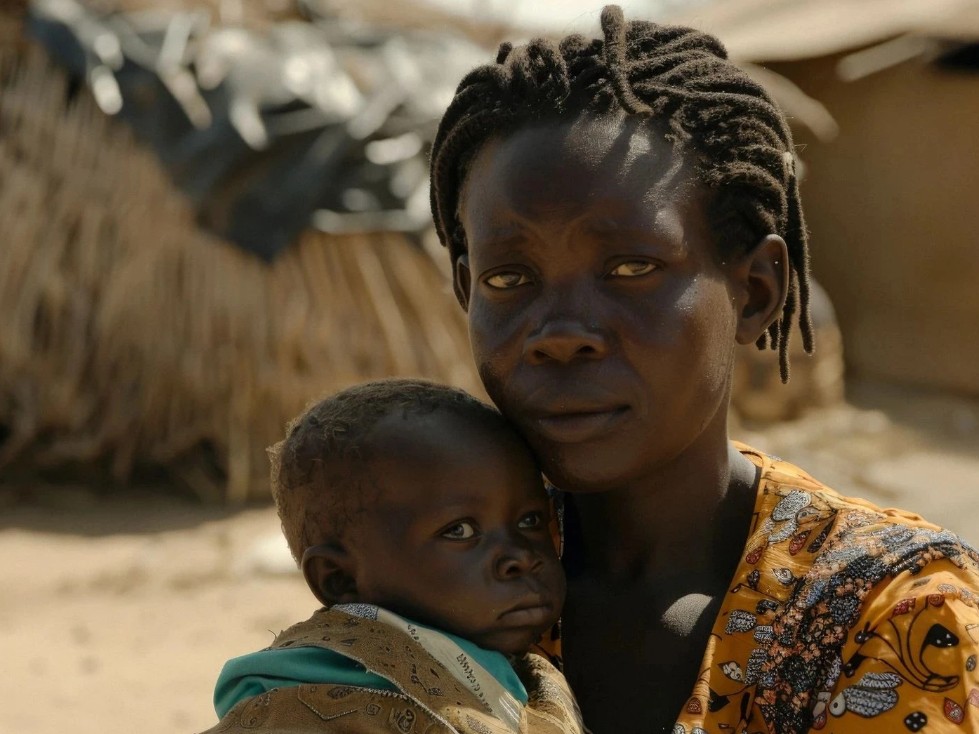 South Sudan already faces one of the world’s worst hunger crises, with more than 7.8 million people, or over half the country’s population, experiencing acute food insecurity and 2.2 million children are acutely malnourished, according to World Food Program (WFP) figures.
The nation is also receiving about 3,000 refugees and returnees a week from neighbouring Sudan, where a conflict that erupted in 2023 has triggered one of the world’s largest displacement crises following mass killings and deliberate starvation, the UN says.
The last food distributions for the most vulnerable 240,000 refugees in South Sudan – out of the 650,000 who had previously been receiving food support across the country – will be made in September unless new funding is secured urgently, the UN says.
They are the last remaining refugee families receiving food support, which is already at half-rations, after the WFP said it was forced to progressively scale back assistance because of funding constraints – largely caused by cuts to international foreign aid, particularly by the US.
“This is not a future scenario. It is sadly a reality that will hold within weeks,” said WFGP spokesperson Adham Effendi.
WFP and UHNCR say that if funding is not restored, no refugees in South Sudan will be receiving food assistance from October.
Families are already reducing meals, selling belongings, withdrawing children from school and taking on debt to survive, while women and children face heightened risks of exploitation and abuse, Mr Effendi said.
Some refugees have already asked the agency to help facilitate returns, even though UNHCR does not consider conditions in Sudan safe for return.
Further cuts are expected unless the WFP can bridge the $USS37 million funding gap for refugee operations between October and December.
From October, food assistance for about 180,000 internally displaced people will cease, while by November 600,000 people living in famine-risk areas could lose life-saving support, Effendi said.
UNHCR, which has received only 28 per cent of the $286 million it requires this year, says the funding squeeze also threatened efforts to help refugees become self-reliant through farming, vocational training and other livelihood programs.