





 Loading tweets...


Malaysia making life tougher for asylum seekers
Malaysia has come under fire from human rights groups over a crackdown on refugee and asylum seeker rights.
Malaysia has ordered the United Nations refugee agency UNHCR to stop registering new refugees seeking resettlement.
Malaysia has said in needs the pause to while it builds a biometric identification system that officials say will give them greater control over a population of more than 215,000 displaced people.
But human rights groups say the freeze will risk leaving newly arrived asylum seekers with no way to prove they need protection and open a dangerous gap in a country that does not accord them formal legal status.
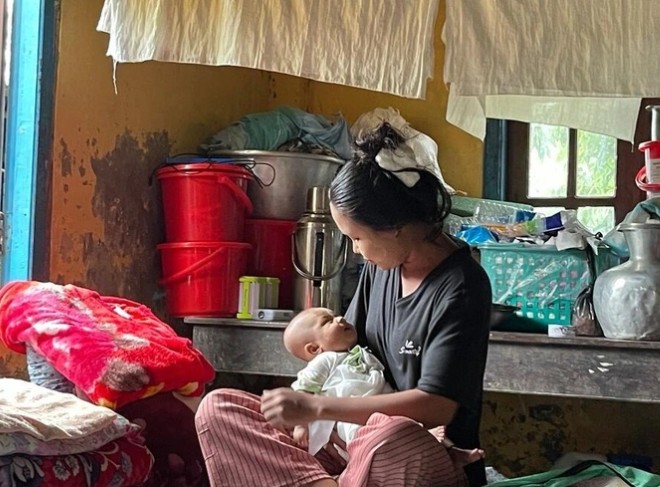 The Malaysian cabinet ordered the UNHCR to temporarily halt registrations while the government restructures refugee management through the Dokumen Pendaftaran Pelarian (DPP), or refugee registration document, program launched in January.
At the same time NGO Human Rights Watch says the Malaysia government should reverse plans that would permit the forced return of most Rohingya refugees to Myanmar where they face persecution and rights abuses.
In July, the government announced that 5,000 Myanmar nationals in immigration detention would be sent back to Myanmar after Myanmar authorities agreed to take them back.
Malaysia has said it will not proceed with the repatriation of 5,000 Rohingya refugees to Myanmar if their lives would be at risk upon return.
But Human Rights Watch spokesperson Bryony Lau called on Malaysia to extend protection for the Rohingya.
“Malaysia has for many years hosted refugees from Myanmar who have fled unending oppression and atrocities by the Myanmar military,” she said.
“The Malaysian government should show regional leadership in responding to the crisis in Myanmar rather than forcibly returning people who are the targets of the junta’s brutality,” Ms Lau said.
The exact number of Myanmar migrants, refugees, and asylum seekers in Malaysia is unclear.
More than 215,000 refugees and asylum seekers are registered with the Office of the United Nations High Commissioner for Refugees (UNHCR) in Malaysia, about 194,000 of them from Myanmar, including 126,000 ethnic Rohingya.
For decades, UNHCR has processed asylum requests in Malaysia and provided successful applicants with cards recognizing them as refugees, but the cards do not grant legal status.
Recent announcements by Malaysian officials about UNHCR’s role and plans to send people back to Myanmar come amid increasing immigration raids and xenophobic rhetoric that have fostered intense public hostility toward refugees and mistrust of UNHCR.
Malaysia has lacked the legal arrangements for determining refugee status and all irregular entry and stay in the country is technically a criminal offense.
Human Rights Watch says Malaysian authorities strictly enforce immigration laws and do not distinguish among refugees, asylum seekers, trafficking victims, and undocumented migrants in conducting raids.
As of June,166 people were in Malaysia’s immigration detention centres, about half of them from Myanmar, according to data provided to Parliament.
Human Rights Watch says Malaysian authorities have not indicated whether the new asylum arrangements will comply with basic standards for refugee status determination, such as non-discrimination, international law, procedural integrity, strict confidentiality, data protection, and access to appeal.
Since 2019, the Malaysian government has denied UNHCR access to immigration detention centres, preventing the agency from reviewing asylum claims or assisting detainees who are registered refugees.
While Malaysia has not ratified the 1951 UN Refugee Convention or its 1967 protocol, it is still obligated to respect the international law principle of nonrefoulement, which prohibits countries from returning anyone to a place where they would face a real risk of persecution, torture or other serious ill-treatment, a threat to life, or other comparable serious human rights violations.
Since the February 2021 military coup in Myanmar, Malaysia has deported thousands of asylum seekers to Myanmar without assessing their asylum claims or other protection needs and in violation of a Malaysian court order, Human Rights Watch says.
In May 2024, UNHCR issued guidance saying that people fleeing Myanmar “are likely in need of international refugee protection.”