 Loading tweets...


Nahid’s story – one woman’s epic journey from statelessness to service
Nahid Kazemi spent ten years struggling to survive in Malaysia as a stateless refugee after fleeing Iran. Earlier, her family had fled their home in Afghanistan because of war.
She grew up in exile in Iran, where she married and then lost her first child. Living in repressive circumstances, Nahid left Iran and travelled to Malaysia where she applied for refugee status.
After ten years of precarious existence, during which time Nahid became a humanitarian worker, she finally gained a visa allowing her, and her six-year-old daughter, to come to Australia as refugees.
She now works as a refugee Case Manager supporting people following in her footsteps and resettling in Australia.
Nahid reflects on the inspirational story that is the arc of her life…
What has coming to Australia meant for you?
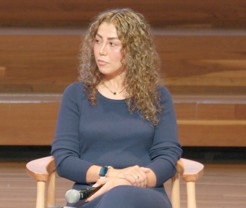 “Coming to Australia gave me a chance to rebuild my life and it gave my daughter the opportunity to have a bright future.
“My journey in Australia has taught me that community is not just about where you come from. It’s where you are accepted, respected, and truly belong. As a single mother raising my daughter, I feel stronger every day, and the support from the people around me has helped me grow and give back in meaningful ways.
“It is my mission to help people settle into life in Australia and feel safe, confident and connected.
“My work is shaped by my own experience. My passion is to help individuals and families find housing, access services, and build a sense of belonging. Our work helps people not just to settle, but to feel welcome, respected and part of their new communities.”
What do you remember about your early life in Afghanistan?
“I was about three years old when my family and I left Afghanistan because of the civil war.
“It was around 1991 when the Mujahideen were fighting the Russian backed government
“I have very few memories of Afghanistan because I was so young. The only thing I personally remember is being in hospital. I remember crying and seeing my father, a doctor and a nurse around me.
“My mother later told me that we had a three-storey house with a big garden full of grapevines, apple trees and flowers. It was a Friday, so everyone was at home. My father and grandfather were working in the garden, and everyone was busy. She told me that I was a very curious little girl.
“I used to go to the roof and look down. Because I was so small and light, my family was always worried about me, and someone would usually be watching me.
“One day, nobody was watching me. I looked down from the roof and fell. I fainted, and my family found me with my eyes closed and blood coming from my mouth.
“My mother fainted when she saw me, and my father rushed me to hospital. Thankfully, nothing serious happened. I had broken my left leg and had a cast for about 40 days. That is almost everything I personally remember about Afghanistan. Most of what I know about my early life there comes from the stories my mother has told me.”
Why and how did your family leave Afghanistan?
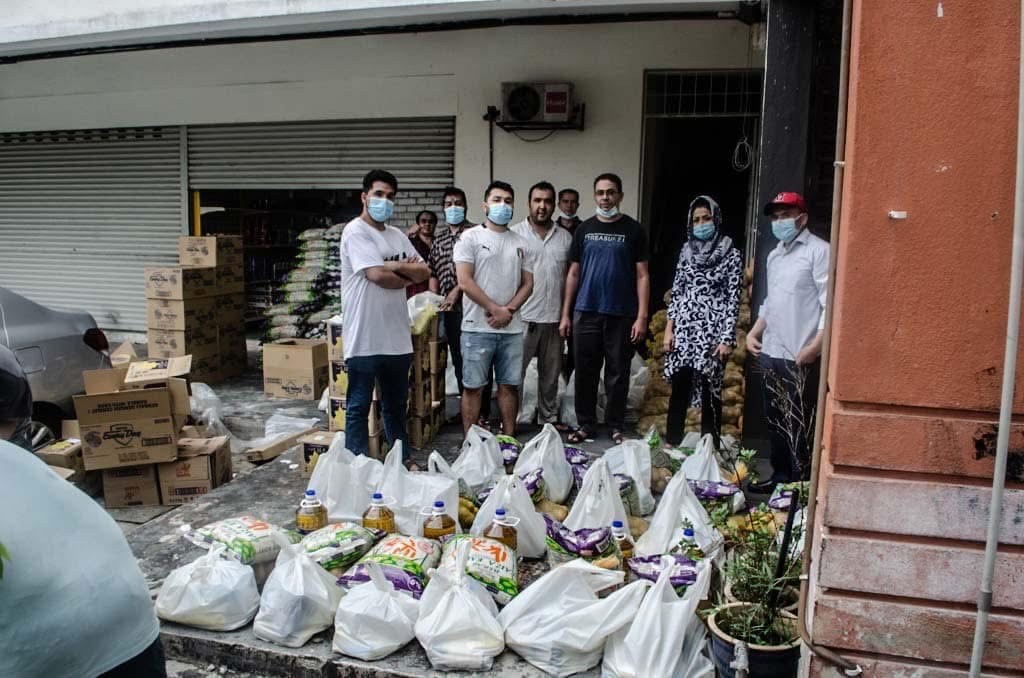 “My mother told me that we had a good life in Afghanistan. We had a large house in Kabul and a very large piece of land in the north, in a village. We had cows, sheep and chickens.
“Every year, our family would go to the land and collect fruit such as peaches, mulberries, black mulberries, yellow and red plums, figs and apples. It was a family place full of life and memories.
“My father was a university teacher. However, because of the war, he could not continue his life and work normally. Young men were being forced to go to war, and my grandfather hid my father to protect him.
“The war changed everything. My family eventually made the difficult decision to leave Afghanistan and go to Iran because they wanted to find safety and a more secure life. We left behind our home, our land and the life we had built. Later, someone went back to Afghanistan and sold our house in Kabul. I am not sure what eventually happened to the large piece of land.”
What was your life like in Iran?
“To be honest, I used to hate my life in Iran because of my refugee status. I grew up feeling ashamed of being Afghan. I experienced discrimination because I was Afghan and, in particular, because I was Hazara.
“I experienced it at school, in the streets, in bazaars, in parks, with police and in many other parts of everyday life. I often felt that I was not good enough to deserve the same life as other people. At school, no matter how well I performed, once people knew I was Afghan, I felt that everything changed.
“There were fewer opportunities, less recognition and less respect. It felt like Afghans were always at the end of the line. We often had no choice and no power to decide things about our own lives.
“I loved tennis, and I was good at it. I was also very good at volleyball. But because I was Afghan, I was not allowed to join the team. I experienced this kind of limitation again and again.
“For years, I believed that I was nothing. I was not even brave enough to ask, why not me?
“Why couldn’t I have the same rights?
“Why couldn’t I follow my dreams?
“Why couldn’t I be recognised for what I could do?
“I had never been taught to believe that I deserved those things. I was born a girl, and then I became a refugee girl in Iran. Being both a refugee and a girl made life even more difficult.
“When I look back at my time in Iran, I remember a lot of force, pain and discrimination.
“Sometimes I think about who I could have been if I had been given the same opportunities. Maybe I could have studied more. Maybe I could have followed my dreams. Maybe I could have developed my talents much earlier. I feel that many years of my life were shaped by things I had no control over.
“But those experiences also shaped who I am today.”
How did you end up in Malaysia and why did you leave Iran?
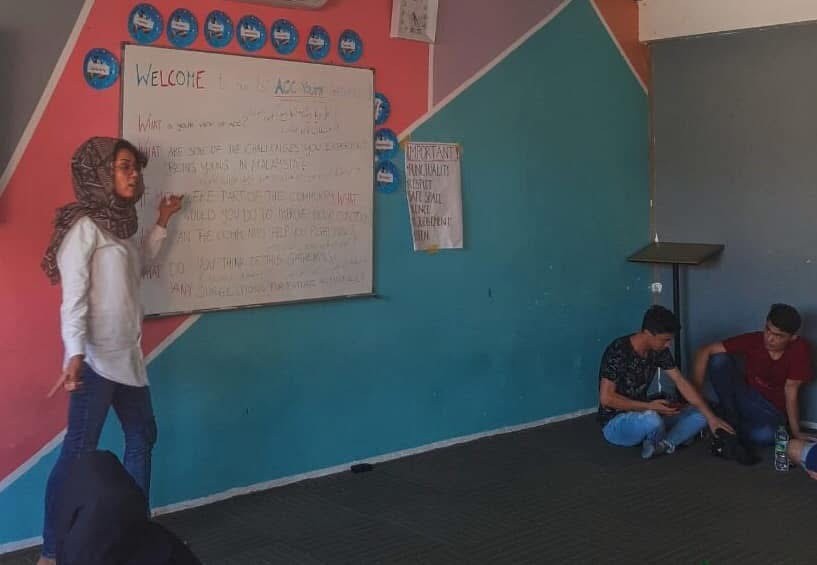 “My first marriage was an arranged marriage. In the culture I grew up in, a “good girl” was often expected to stay at home until a family approached her family about marriage. A good marriage was seen as being connected to a respected family.
“I had very little opportunity to make decisions about my own life. I also lost my first child. That experience was devastating for me. After this, ex my husband and I decided that we needed to leave Iran. I was hopeless at that time and had lost much of my hope for life. We wanted to survive, find safety and have the chance to start our lives again.
“That journey eventually took us to Malaysia.
“I arrived in Malaysia with fear, hope and uncertainty. I was a girl who had spent most of her life at home. I had been taught not to talk to men and to be afraid of many things. I was ashamed of my nationality and my gender because so much of what I had experienced was connected to discrimination and pain.
“In Malaysia, I experienced another kind of discrimination because of my religion. I had to hide my religion. But Malaysia also taught me something very important.
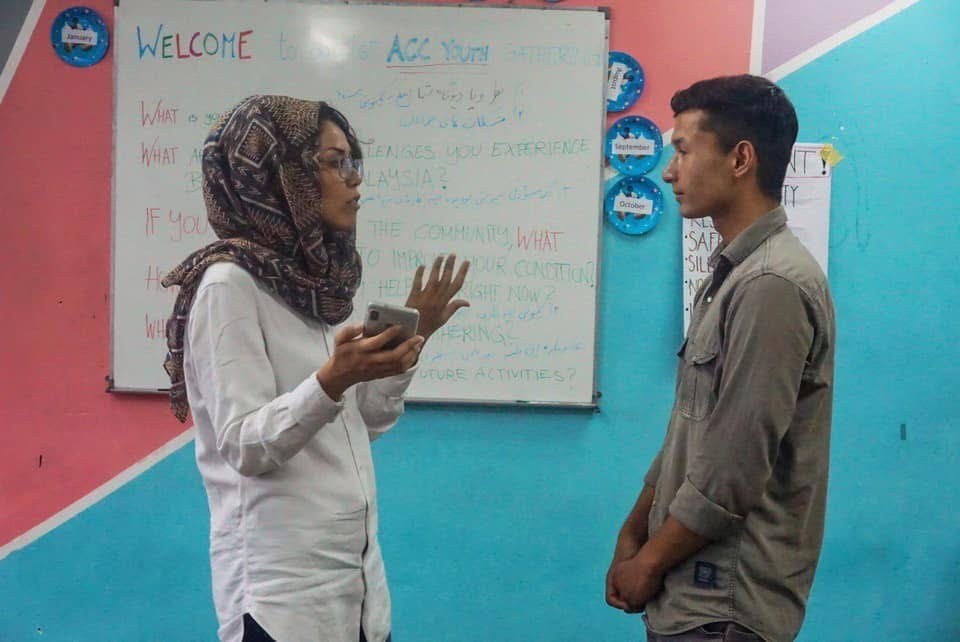 “For the first time, I began to understand that I had rights simply because I was a human being. I learned that being Afghan was not something to be ashamed of. Being a woman was not something to be ashamed of.
“Making mistakes was okay. I deserved respect. No one had the right to hurt me. I had heard these ideas before but actually believing them and practising them in my own life was a huge step for me.
“I also realised that I was not alone. I met many refugees who carried similar pain, fear and experiences. That changed me. I decided to be brave and become one of the first women in my community to speak up. I told myself: I can be better than someone who only receives pain. I can change. I can teach. I can do something to make a difference.
“I studied, worked and became involved in supporting refugee communities. I worked with women who were experiencing many of the same things I had experienced. I tried to give them the support, courage and hope that I had needed when I was younger.
“It was not easy because I was struggling myself while helping others. Sometimes I felt like a soldier who had been fighting a war for years. I was bleeding, I was on my knees, and I almost lost hope, but I continued.
“That experience eventually helped me become a community leader and advocate for refugee women and families.”
Can you describe the situation and conditions for the thousands of asylum seekers in Malaysia?
“Malaysia has not signed the 1951 Refugee Convention and does not have a national legal framework that formally recognises refugees and asylum seekers. As a result, refugees and asylum seekers have very limited legal protection and are generally treated as undocumented or irregular migrants.
“UNHCR provides some protection and registration processes, including documentation for asylum seekers and recognised refugees. However, the process can take years. An asylum seeker may wait two or three years or even longer before their case is determined. Some people are never recognised as refugees and may have their applications rejected.
“Even having documentation does not necessarily mean that a refugee is treated with dignity or has access to the same rights as other people. There is very limited UNHCR support for refugees in areas such as education, healthcare and social services.
“For many refugees, survival depends heavily on their own community, local people, NGOs and humanitarian organisations.
“The support available to refugees is very limited. There are a small number of NGO’s clinics that provide limited healthcare to refugees, with limited capacity, medication and services. There are also mental health services, but access is extremely limited.
“I saw situations where the quality and availability of mental health support were serious concerns. Education is another major issue. There are community schools for refugee children, but they have limited resources, spaces and funding. Access to justice is also very difficult.
“For refugee women experiencing domestic and family violence, there were situations where they were told that it was a family matter and that the police could not or would not intervene.
“There was very little support available for women and children experiencing violence. Without the support of local people, NGOs, community organisations and volunteers, many refugees would struggle to survive.”
Tell us about your journey to Australia. What did it feel like to be granted a humanitarian visa?
“Sometimes I still cannot believe that one piece of paper – a visa – could change my life so completely. I felt like I had been a soldier fighting a war for my whole life. The fight started in Afghanistan, continued through my years in Iran and continued in Malaysia.
“By the time I was in Malaysia with my six-year-old daughter, I was exhausted. I felt like I had been fighting for survival for years. I was bleeding emotionally, I was on my knees, and I was almost out of hope.
“Sometimes I felt like the soldier in a movie who is looking at her child and silently wishing that someone will come and rescue them. Then I received the email telling me that my humanitarian visa had been granted.
“I froze. I read the email again and again. I couldn’t believe it. People had told me, ‘Don’t believe you are safe until the plane has taken off’.
“So, even after receiving the visa, I was between shock and happiness. When I finally arrived in Australia, I remember feeling that, for the first time, I could close my eyes for a moment. I felt safe.
“There was no war around me. But I soon realised that arriving somewhere safe did not mean that everything inside me immediately became safe. I still had to learn how to live again.”
How has life in Australia been for you?
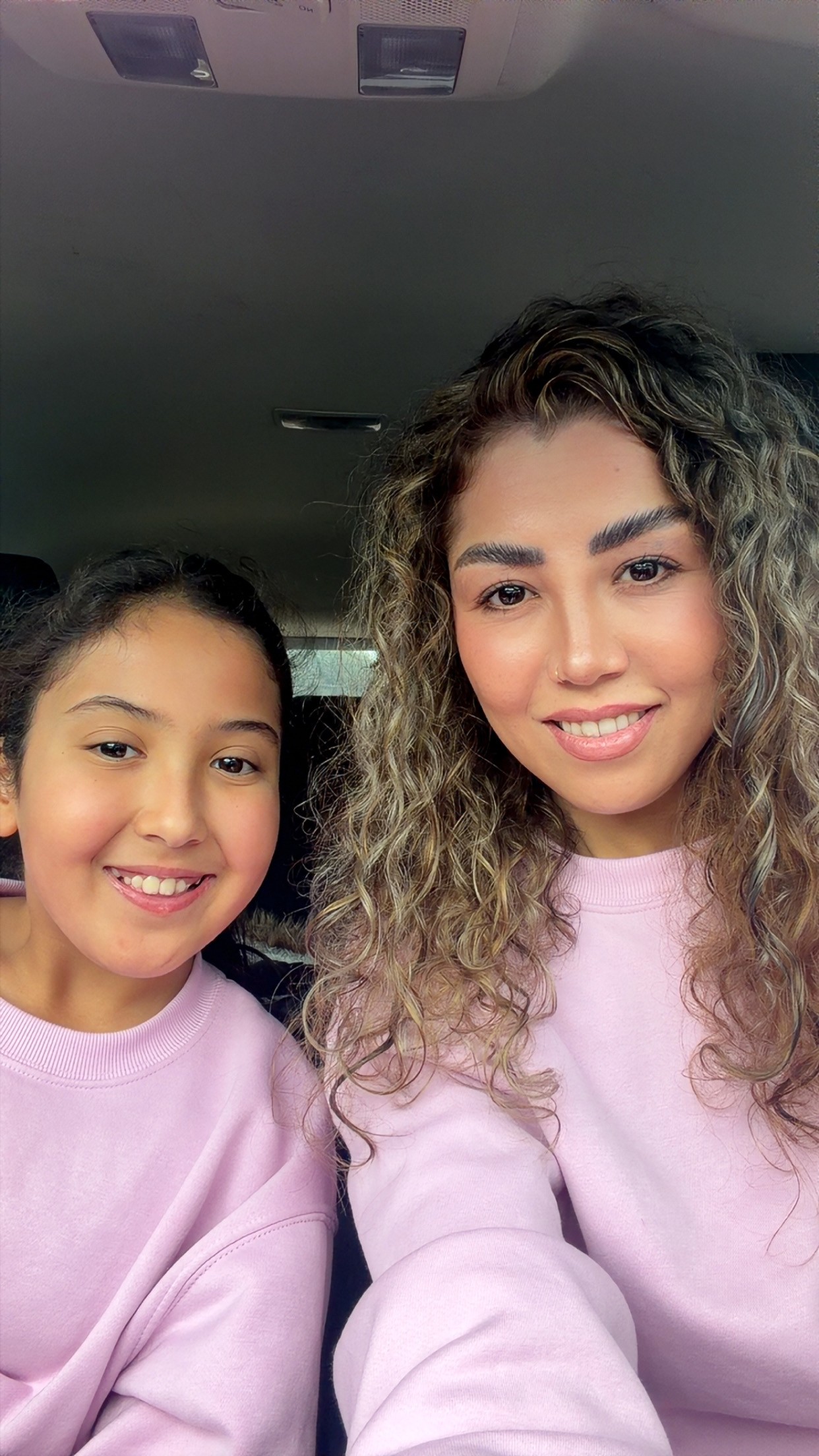 “I understand my clients at AMES deeply because I was once a fighter too. I was raised to be a fighter. For me, it was difficult to put my “gun” down and believe that people would not hurt me.
“My body had finally found a safe place, but my mind and heart were still fighting. My inner child was still scared and lonely. Everything was new. I was tired of simply surviving, but I had to start again.
“This time, however, it was different. I was not hopeless. I was happy to start again. I was safe. I had rights. I was respected. People around me gave me a feeling of care and acceptance.
“Slowly, I started to believe that the world could be different. I started to understand that life could be beautiful. There could be joy, laughter and freedom. For me, AMES became my peace.
“It became my route into Australia. I felt like a baby learning how to walk again, and with the support of AMES, I learned how to walk, then run. I discovered myself again. I discovered my skills, my strengths and my confidence. I feel that I have a family at AMES. I am not alone anymore.
Tell us about your work supporting refugees. Is your work informed by your own experiences?
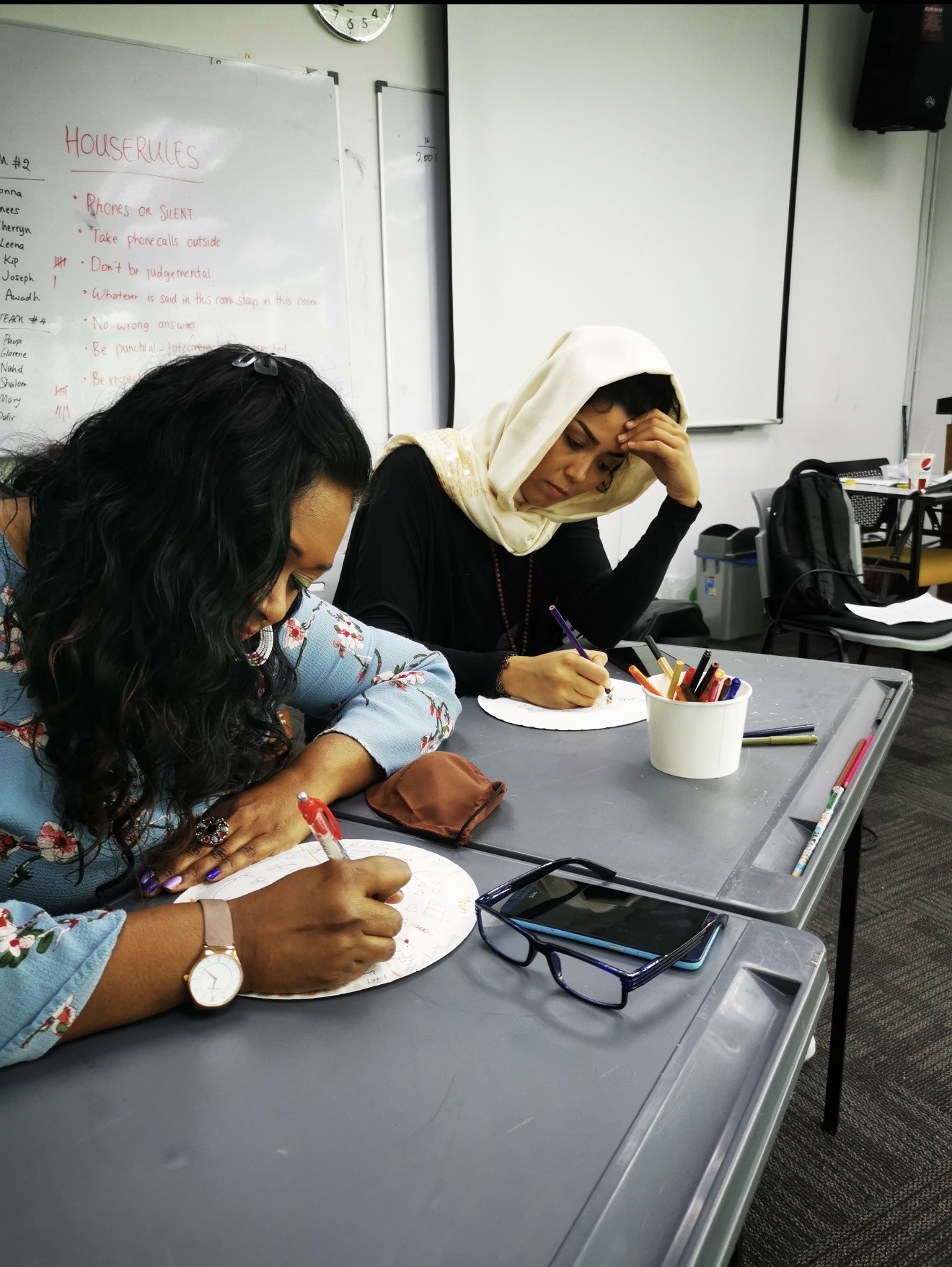 “My work is deeply informed by my own experiences. Before coming to Australia, I worked as a case manager with a local organisation in Malaysia that partnered with UNHCR. I also worked as an interpreter and supported lawyers, social workers, doctors, family counsellors, physiotherapists, body-language therapists and nurses.
“I worked with people from many different communities, including Palestine, Myanmar, Iran, Yemen, Pakistan, Syria, Sudan, Afghanistan and Iraq. I also worked with migrants who had come to Malaysia for employment but experienced exploitation, kidnapping, sexual violence and other forms of abuse.
“I worked with women experiencing domestic violence and with people who were extremely vulnerable. Over the years, I heard hundreds of people’s stories. I saw people at some of the most painful moments of their lives. I also experienced situations involving deaths, serious illness, suicide attempts and families facing devastating circumstances.
“These experiences changed me. They taught me that behind every case file is a human being with a story, fear, hope and dreams. When I became a case manager in Australia, I brought all of those experiences with me. I understand what it feels like to sit across from a case manager and not know the system.
“I understand what it feels like to be afraid. I understand what it means when someone finally listens. And I understand how powerful it can be when someone believes in you. That is why this work is more than a job for me.”
How are your family doing?
“My family is currently living in Iran. Due to the ongoing situation there, life has not been easy for them. Last year, I submitted an application to bring them to Australia, and I am hopeful that they will be able to join me here soon.
“My father has ongoing health issues which require regular medical attention. My mother struggles with anxiety and stress, which have affected her wellbeing and daily life. Given their health conditions and the difficult circumstances, they face in Iran, I am concerned about their welfare and do my best to support them financially whenever possible.
A last word?
“I am deeply grateful for who I am today. When I look back, I see a little girl who was once ashamed of who she was. I see a refugee girl who grew up with discrimination. I see a woman who lost her child. I see an asylum seeker who had to leave everything behind. I see a refugee who had to start again. I see a community leader who tried to help other women even while she was struggling herself.
“And now I see myself working as a Senior Case Manager in Australia. I am proud of that journey. I did not give up on myself.
“I kept learning. I kept working. I kept trying. I kept getting back up. My life has not been easy, but every stage has taught me something. Today, I don’t want my story to only be a story about what happened to me. I want it to be a story about what I was able to become despite everything that happened. And I want other refugees to know that their past does not have to define their future.
“We are more than our refugee stories. We have talent. We have skills. We have dreams. We have something to contribute. And we belong.”