


 Loading tweets...


New report examines Australia’s superdiversity
Australia been transformed into a “remarkably’ diverse nation over recent decades, according to new research.
The study, by researchers at the ANU’s Migration Hub, found that 38 per cent of Australia’s total population are living in superdiverse areas, with a further 28 per cent living in moderately superdiverse areas.
“Greater Sydney and Melbourne exhibit the highest concentration of superdiverse communities, with similar patterns of stability or expansion observed in other major cities like Brisbane, Perth, and Adelaide, as well as in some regional towns,” the study said.
And it found gentrification risk does not disproportionally affect highly culturally diverse neighbourhoods.
“Based on emerging superdiversity measures and analyses, there is an opportunity in urban policymaking to recognise the multidimensional nature of diversity and improve planning for the value and challenges this brings,” the report says.
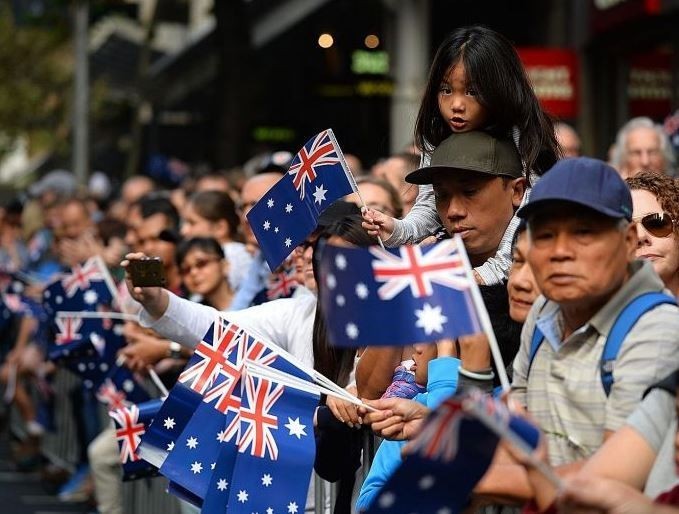 The researchers mapped superdiversity across Australia by applying a composite measure of superdiversity – integrating language, birthplace and religion.
They said that Australia’s expanding superdiversity had significant implications for urban planning and policy in terms of access to open spaces, retail planning and housing.
“Equitable access to public and open spaces, like riverfronts, are an important driver of wellbeing not only through social connection but also recreation,” the report said.
“To what extent are public and open spaces planned in terms of ensuring access to CALD communities? Also, do they engender recognition and create contexts for ‘everyday multiculturalism?’,” the report asked.
“Understanding the value of cultural diversity in retail areas is an important consideration given studies that indicate a link between cultural diversity with entrepreneurism, economic development, and neighbourhood vitality as well as for social interaction and settlement for new migrants. Optimal retail centre design can be explored to support both people and centres to flourish.
“The suitability of the housing mix in Australia’s cities can also be examined based on the characteristics of high levels of cultural diversity, including acknowledging the need to support diverse and affordable housing typologies in areas of locational advantage.
“Careful consideration is also needed when it comes to how public investment and development might undermine the unique qualities of diverse places, leading to gentrification and the possibility and exclusion and displacement from local housing markets,” the report said.
It said planning for social inclusion through infrastructure was another key finding of the report.
Given growing cultural diversity as a characteristic of many communities, there was an opportunity not only to acknowledge and accommodate the community’s distinct cultural and religious needs through infrastructure planning, but also to plan for rising superdiversity – for example by promoting social mixing as well as multiuse arrangements of community, sports, faith and other infrastructure, the report said.
It argues for urban policymakers to recognise the multidimensional nature of diversity and improve planning for the values and challenges this brings.
Read the full report: Superdiversity in Australian Cities and Regional Towns | The Migration Hub