
 Loading tweets...


Diversity not represented in Australian media
Australian news media does not adequately represent the diversity of Australian society, new research has found.
And this misrepresentation or under-representation can deeply affect individuals and communities, according to the research by a team at the University of Canberra.
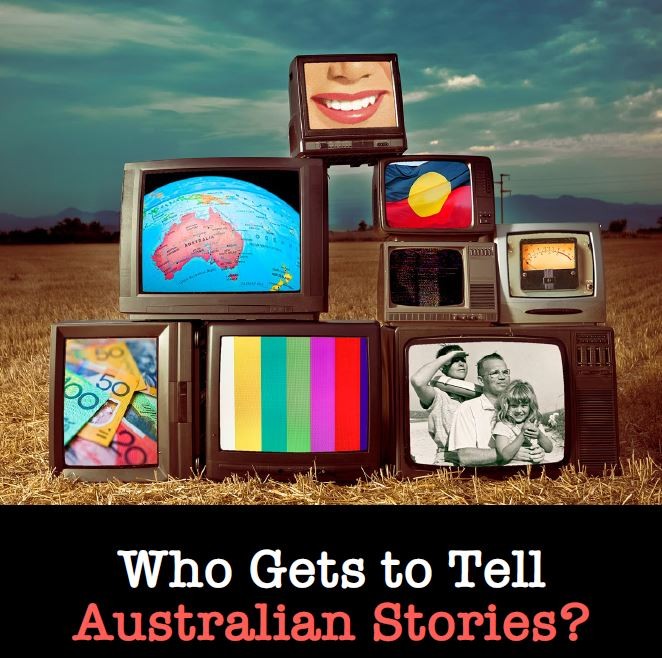 The study, titled ‘You can’t be what you can’t see’: A pilot study of reflections on diversity and inclusion in the news media’, found there was a lack of representation of non-white, non-Christian, non-male media practitioners.
It collected data from interviews with six media experts, advocates and practitioners, from secondary documentary analysis and from reports, news articles and websites.
“Overwhelmingly, all participants agreed Australian media needs to do better in regard to diversity in both representation and content,” the study said.
It found that the community media sector had a strong record in relation to diversity, the public broadcasting sector was doing well but needed some work, while the commercial sector was lagging in representation of diverse voices in both content and representation.
The study identified a tendency in the media to narrowly and predictably portray diverse groups. It identified a lack of diversity in newsrooms and management, and its impact on content and representation.
It identified shortcomings in media representation among several diverse groups.
“Despite nearly one in five Australians living with a disability, media representation remains limited and often relies on stereotypical narratives that portray people with disability as either ‘heroes’ overcoming adversity or ‘victims’,” the study found.
“Despite Australia’s high level of cultural and linguistic diversity, ethnic representation in news media remains limited and can reinforce harmful stereotypes,” it said.
“Media reporting on Muslim Australians can contribute to stigma and social exclusion by disproportionately highlighting religious identity in negative news stories and associating Islam, for example, with criminality or extremism.
“Socioeconomic status remains a significant but often overlooked barrier to diversity in the media sector. Participants highlighted those common pathways into journalism, such as unpaid internships, volunteering and work experience, favour those who can afford to work without pay, limiting opportunities for people from lower socioeconomic backgrounds.”
The researchers concluded that Australia’s news media could do better when it comes to DEI.
“While there are some areas of the media that are seen to be doing a better job (community broadcasting and, to a lesser extent, public broadcasting) commercial media is considered to be dire when it comes to diversity of both representation and content,” they said.
The researchers said there was important work to do in advocating for more accurate and inclusive media representation, as media narratives can significantly influence public attitudes, social cohesion and the sense of belonging experienced by migrant and refugee communities.
The finding also highlighted the value of creating pathways for diverse voices to participate in media and public discourse, helping to challenge stereotypes and ensure community experiences are more authentically represented.