




 Loading tweets...


How Trump dismantled the world’s largest refugee resettlement program
The Trump administration’s sweeping changes to US immigration, including an asylum ban, mass deportations and legal manoeuvres, have all but ended asylum and refugee protection in the US.
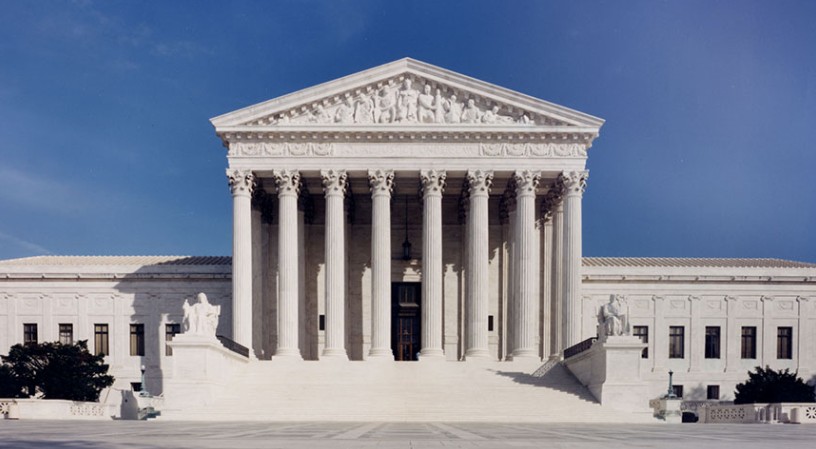
But a new case brought by advocates to the US Supreme Court will soon determine whether some of Trump’s moves are denying people due process and could see the principle of asylum restored.
In coming months, the court will consider the legality of the asylum ban and of sending asylum-seekers to third countries.
The Supreme Court ruling could have profound and lasting ramifications for refugee settlement in the US and across the world.
For almost two years, the administration has barred asylum claims at the US-Mexico border, cancelled thousands of pending applications and fired many immigration judges.
New Justice Department rules let government lawyers more easily get claims thrown out.
And Border Patrol apprehensions at the southern border fell to their lowest level in agency history this year. Also, millions of people with active claims remain in limbo.
So, how did this come about?
In January 2025, the administration sent out a clear message about how they planned to destroy the US Refugee Admissions Program (USRAP).
Within hours of President Trump’s inauguration, he signed an executive order that indefinitely suspended refugee processing and admissions.
Refugee arrivals ceased and more than 100,000 people who were already vetted for admission to the US were left stranded overseas.
The executive order allowed for some exceptions to the ban on refugees but, so far, almost all of these have gone to white South Africans.
Last year’s refugee admissions goal was set at an historic low of 17,500 people (fewer than Australia takes in) and a similar number has been set for this fiscal year.
At the same time, in an unprecedented move, the administration has turned to systematically targeting refugees by weakening protection for refugees already in the US.
At the end of 2025, the US Citizenship and Immigration Services (USCIS) announced that they would begin to re-vet and, in some cases, reinterview refugees who were admitted and resettled in the US under the Biden administration.
January 2026 saw the launch of Operation PARRIS (Post-Admission Refugee Reverification and Integrity Strengthening).
The Department of Homeland Security (DHS) claimed that the operation was aimed at addressing alleged fraud in USRAP but provided no evidence to substantiate the claims.
Efforts were focused on resettled refugees in Minnesota who did not yet have their lawful permanent resident status, resulting in people being arrested in their homes and then flown out of state to detention facilities.
Eventually, a District Court judge stopped the arrests and detention of refugees from Minnesota.
Later, a federal judge ensured that the refugee detention policy could not be implemented anywhere in the country.
But, according to refugee advocates, re-vetting and reinterview process is continuing.
Advocacy group HIAS says this is “causing immense stress and instability in the lives of people who followed every rule and did everything asked of them before they were legally admitted into the US”.
Around the same time the Trump administration announced its re-vetting plans, it also officially announced that it would no longer process or adjudicate green card applications for refugees who were admitted during the Biden administration. Green cards enable work rights in the US.
HIAS says that under US law, refugees are required to apply for their green cards after one year.
“The policy places refugees in an impossible position: federal law requires them to apply for permanent residency, while the administration is refusing to decide their applications, yet reinterviewing and re-vetting them if they do not yet have their green cards,” the agency says.
In October 2026, DHS issued a rule that makes it much easier for the administration to terminate the refugee status of people who were resettled through USRAP and do not yet have their green cards, even though green card adjudications are on indefinite hold.
“The new policy is intended to reduce the number of days that someone has to challenge the administration’s effort to terminate their refugee status from 30 days to 10 days, making it essentially impossible for them to defend their status and why they should not quickly be removed from the US, and potentially sent back into harm’s way,” it said.
A federal court has put a temporary block on implementation following litigation by a group of individual refugees and advocacy organisations, including HIAS.
The Supreme Court may now decide what US refugee resettlements program look like into the future.