




 Loading tweets...


Images of post war migrants to Australia released
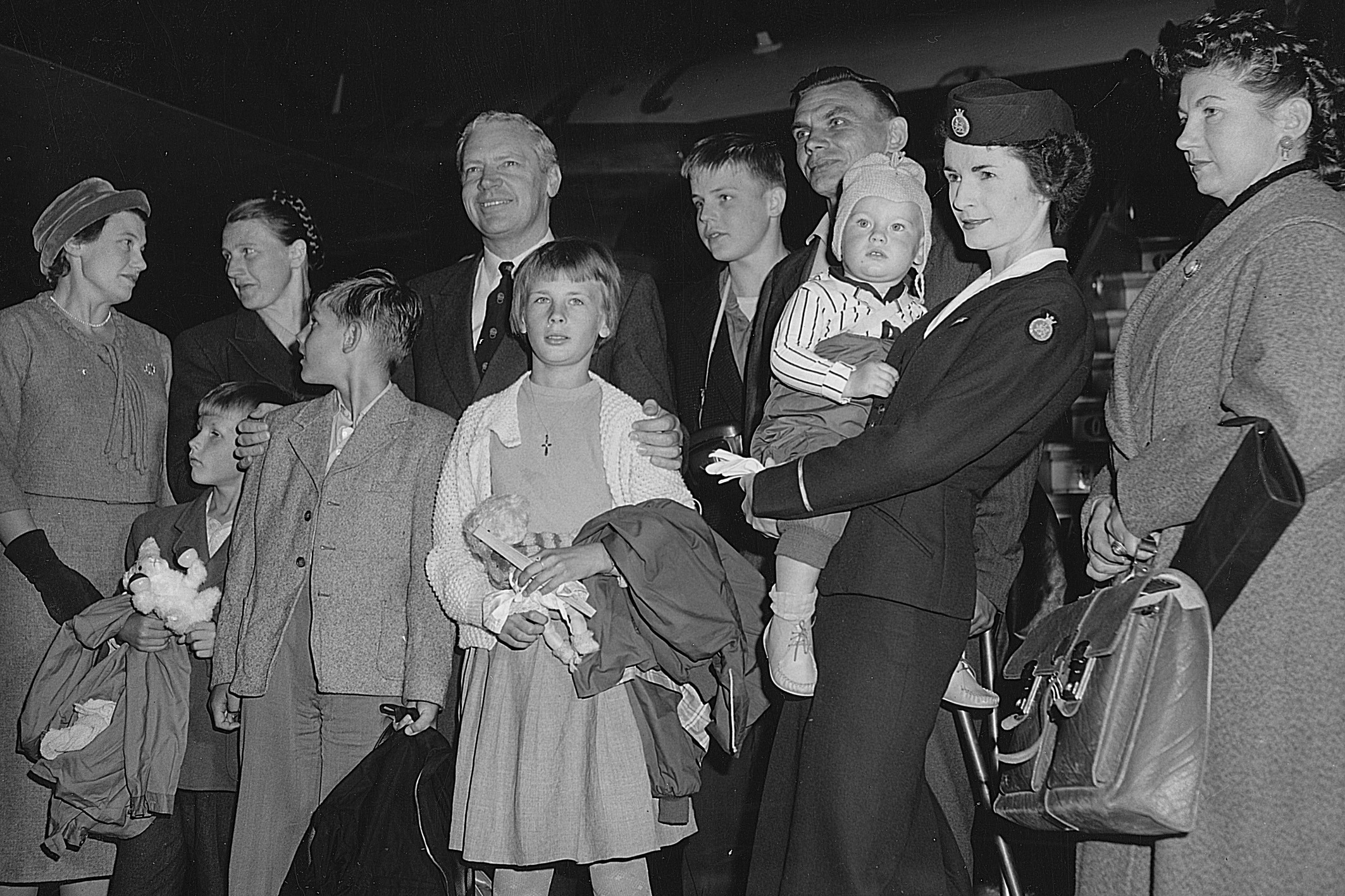
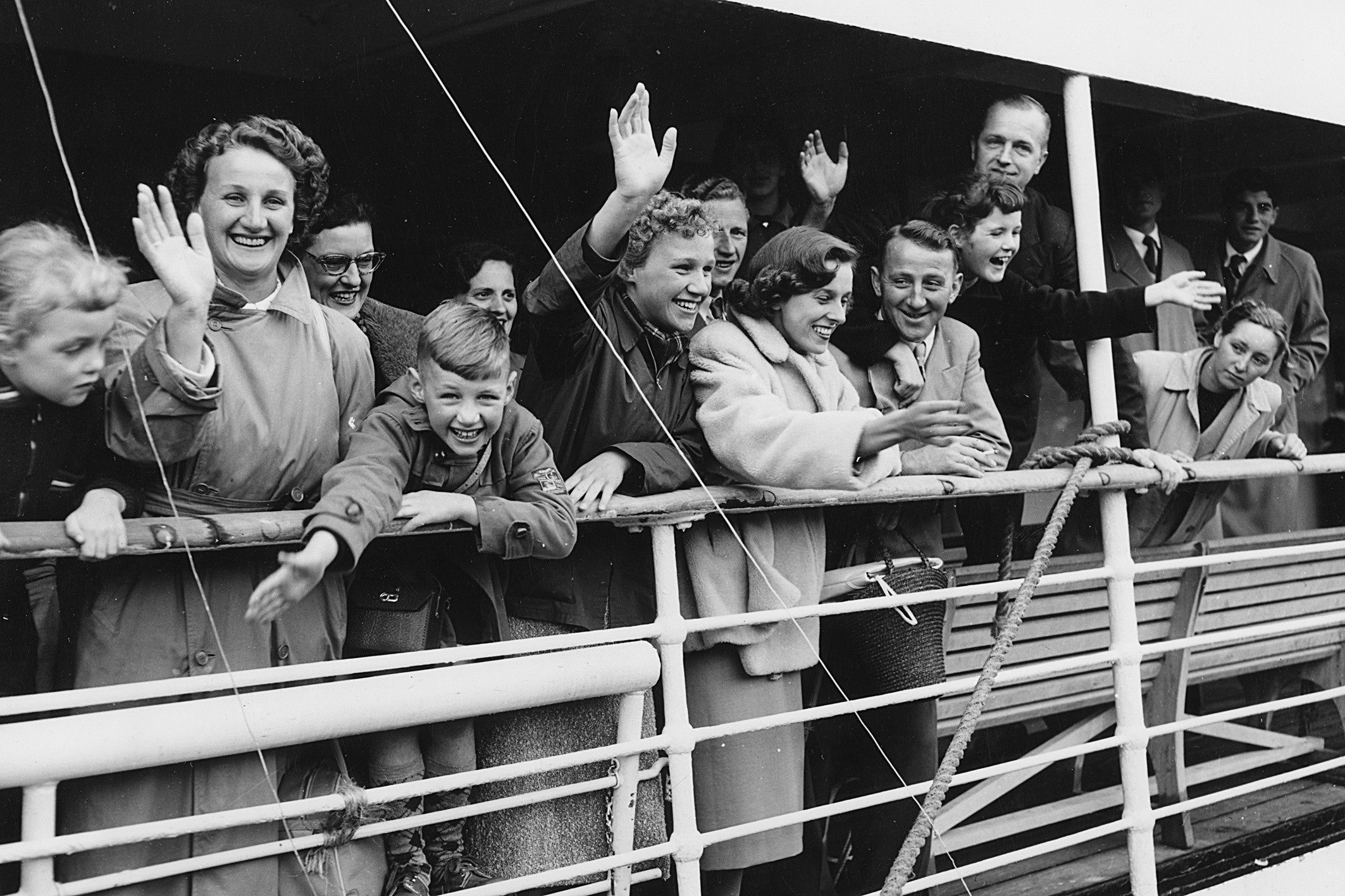
The International Organisation for Migration, the UN’s migration agency, has released a trove of photographs depicting Post-World War II migrants from Europe on their way to Australia.
The release, marking 75 years of IOM’s work, shows families enroute and engaging in work and leisure after arrival in Australia (see the images below).
In the decades following the Second World War, many countries across Europe continued to face economic uncertainty and limited employment opportunities. At the same time, Australia was expanding migration programmes aimed at supporting population growth and economic development. For many migrants and families, relocating overseas offered the possibility of work, stability and a fresh start far from the difficulties many continued to experience in post-war Europe.
As migration programmes expanded during the 1950s and 1960s, the Intergovernmental Committee for European Migration (ICEM), the forerunner of IOM, helped coordinate transportation and logistical support for migrants travelling to destinations including Australia. Before departure, migrants completed travel and documentation procedures organized through cooperation between governments, migration authorities, and transport providers. Medical screenings, travel arrangements, and administrative procedures were often carried out before migrants embarked on long sea voyages to their new destinations. These systems helped facilitate organized migration movements across continents.
Long-distance migration during the post-war decades increasingly became part of organized international systems connecting countries across Europe and beyond. Assisted migration programmes enabled thousands of individuals and families to travel overseas in search of new opportunities and long-term stability.
For many migrants, these journeys involved leaving behind familiar homes, languages and communities while adapting to entirely new environments abroad. Many travelled for weeks by ship before arriving in Australia, carrying only a limited number of personal belongings as they prepared to begin new lives far from home. Over time, migrant communities established themselves across Australia, contributing to the country’s growing multicultural society.
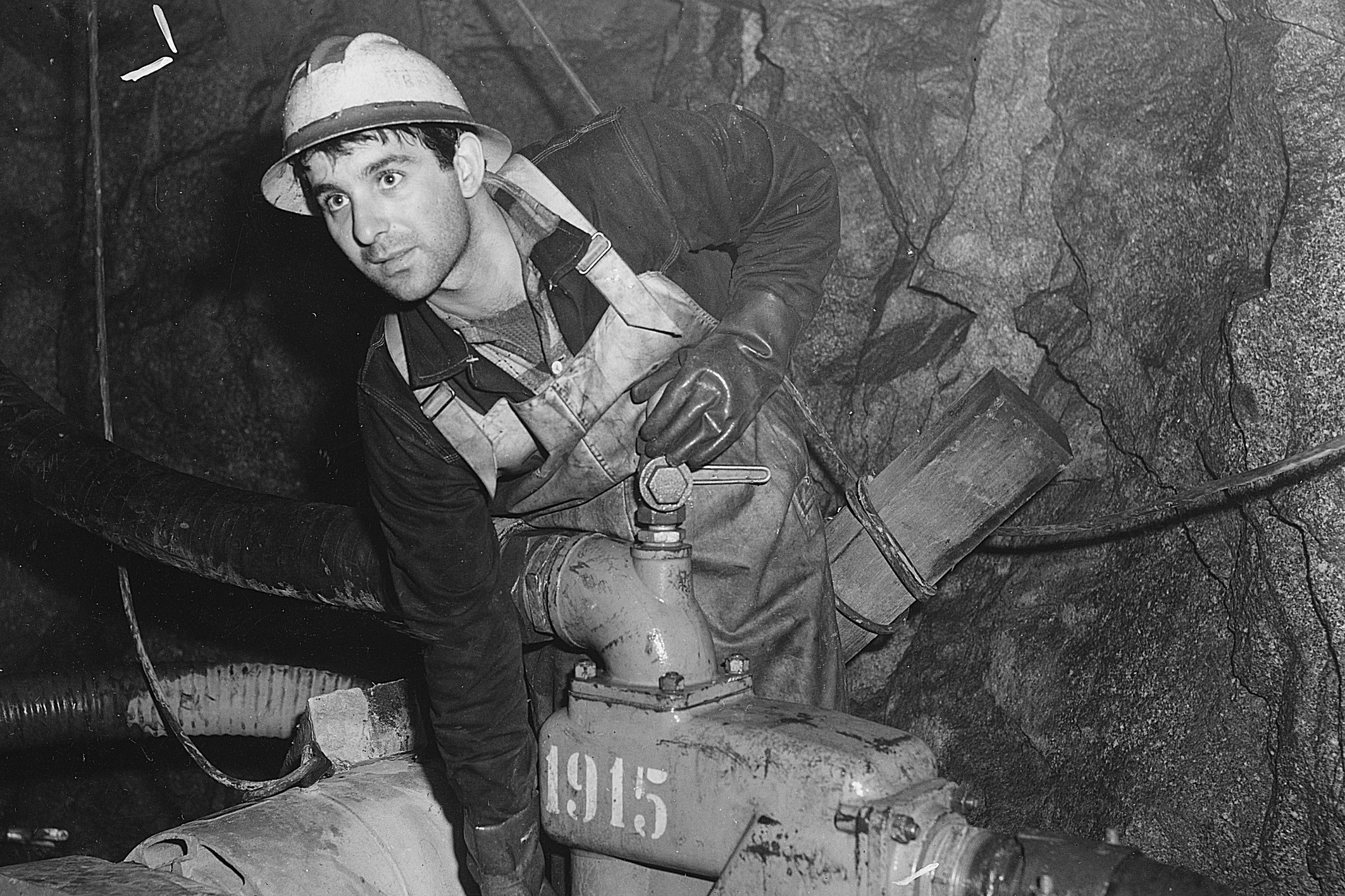
During the post-war decades, Australia experienced rapid industrial growth and expanding infrastructure projects that increased demand for workers across multiple sectors of the economy. Migrants arriving through assisted migration programmes contributed labour and skills to industries including mining, manufacturing, construction and agriculture, helping support the country’s economic development during a period of significant national change.
Many newly arrived migrants were employed in large public works and industrial projects that played an important role in shaping modern Australia. Their contributions supported economic growth while helping address labour shortages across the country.
For many migrants arriving in Australia, adapting to a new country involved more than finding work or housing. Language classes and orientation programmes, provided by organisations like AMES Australia, formed part of broader efforts to support migrant settlement and integration during the post-war decades.
For many newly arrived migrants, these lessons represented some of the first steps toward building confidence, independence, and a sense of belonging in a new society. Children often adapted quickly to life in Australia, while many parents navigated the challenges of learning a new language and adjusting to unfamiliar customs and working environments.
Upon arrival in Australia, migrants passed through reception and orientation procedures designed to support their transition into a new country. Government officials and migration staff assisted newcomers with interviews, documentation and onward travel arrangements as they prepared to begin new lives and employment opportunities across Australia.
The migration programmes of the 1950s and 1960s marked an important period in the development of regulated international migration systems. Through cooperation between governments and ICEM, thousands of migrants were assisted in travelling across continents in search of work, stability, and new opportunities.
The movements documented during this period demonstrate how international cooperation helped shape new beginnings for individuals and families while contributing to the growth and development of communities across countries and regions. Many of these migration movements would later influence broader international approaches to migration management, resettlement, and humanitarian transportation systems in the decades that followed.
Read more:
Across Oceans to Australia in Search of Opportunity | IOM Storyteller
IOM75 – Across Oceans to Australia in Search of Opportunity