


 Loading tweets...


Improving multicultural access to healthcare
Multicultural communities, and particularly newly arrived groups, find it more difficult to access healthcare than the broader Victorian community, a new survey has found.
And many communities experience racism in accessing healthcare.
The Victoria Multicultural Health Survey, commissioned by the Department of Health, survey 800 people from multicultural communities over three months.
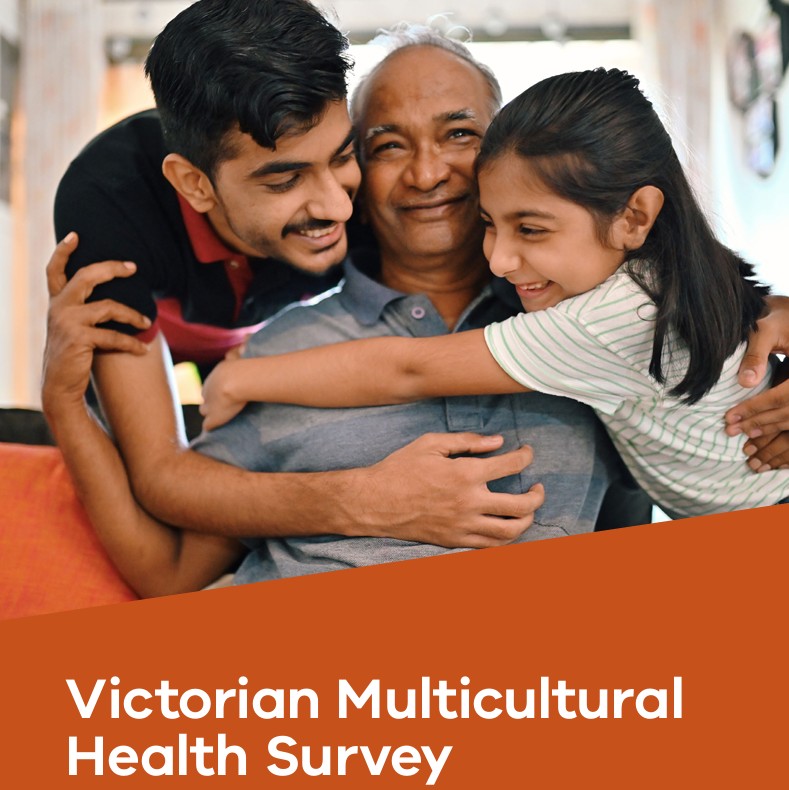 It found that “disparities in healthcare experiences and outcomes persist for many multicultural communities”.
This is despite multicultural community members playing a vital role in Victoria’s health workforce in particular, with 39 per cent of the public health workforce born overseas.
“Multicultural communities have a higher prevalence of chronic health conditions, including heart disease, stroke, diabetes, and kidney disease, as well as higher rates of potentially preventable hospitalisations,” the survey report said.
“Newly arrived refugees and people seeking asylum often face additional challenges, with 89 per cent having experienced traumatic events before arriving in Australia and more than 40 per cent experiencing mental health challenges within the first five years of settlement,” it said.
General practitioners are the health professionals people trust most and having a regular GP helps people feel supported and confident about their health, the report found.
Among the report’s key findings was a misalignment between language services policy and how it works in practice Health services are not consistently providing interpreters to people who need help communicating in English. Only 11 per cent of people who identified as needing language support said interpreters were ‘always’ arranged.
Also among the findings was that empathy and good interpersonal skills go a long way in creating cultural safety.
“For many, cultural safety means being greeted warmly, listened to without judgement, and supported to participate in care decisions,” the report said.
Another finding was that many people experience racism and discrimination but do not feel they can report it.
“While 22 per cent of participants have experienced racism and discrimination in a healthcare setting, the vast majority do not feel confident or safe to formally report it,” the report said.
Yet another finding was that people want more culturally tailored health information and education in language.
And that financial and structural factors are key to good health and healthcare access.
“Cost, long wait times, travel distance, and system navigation challenges are key barriers. High costs delay or prevent access,” the report said.
The report said that family, friends and community networks also play an important role helping people access care and information.
And information was most useful in different languages, formats and when delivered by trusted organisations.
“Cost, wait times and difficulty finding services makes it harder to get care. These challenges affect many Victorians but can be even greater for multicultural community members who may face language barriers, settlement challenges or live in regional areas,” the report said.
“A diverse health workforce helps people feel more confident and understood.
“People value bicultural workers, bilingual health staff and interpreters to help them communicate their needs and find the services they need. They also help people feel more comfortable receiving care.”
The report found interpreting services are not always available when needed.
“When interpreting services are not arranged, or if quality or match is poor, it can be hard to understand information and make decisions about care. More training for staff and community is needed,” the report said.
It said being treated with respect and empathy creates cultural safety.
“Small actions, such as a warm welcome, asking about language needs and taking the time to listen help people feel culturally safe,” the report said.
“There should be more cultural safety training for health staff. Around one in five people shared experiences of racism and discrimination in healthcare.
“However, many do not feel confident to report these experiences because they were unsure how to, or worried that it could cause problems.”
The Minister for Health Ingrid Stitt said the report provided a pathway to improving healthcare access for multicultural communities.
She said the report “provided an important opportunity to hear directly from multicultural Victorians about their experiences, priorities and aspirations for healthcare”.
“Together, we can continue building a health system that recognises, respects and responds to the diversity of our community,” Minister Stitt said.