





 Loading tweets...


Migrant death toll rising in Europe despite fewer arrivals
The numbers of migrants reaching Europe by sea this year has dropped significantly as more are dying on increasingly dangerous sea journeys to reach the continent, the UN migration agency IOM has reported.
Almost 60,000 migrants and refugees arrived in European in 2026 up to September 15, representing a 40 per cent decrease in the same period last year, IOM said.
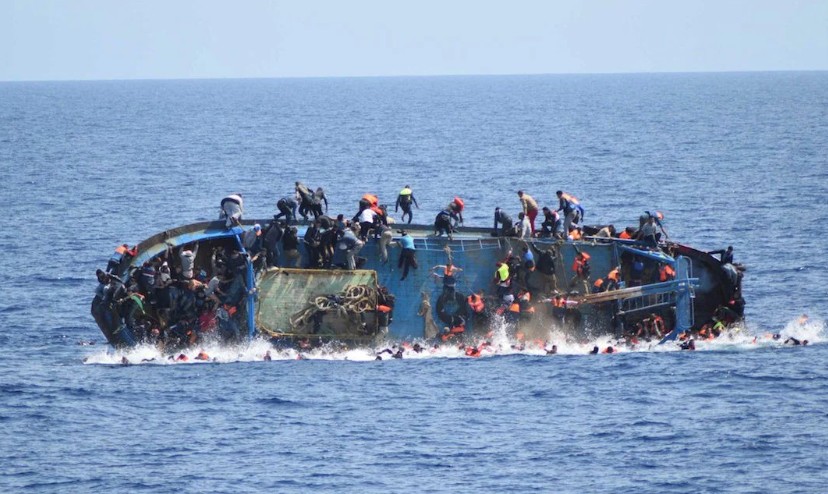 But almost 2,300 people died or went missing attempting to cross the Mediterranean Sea or the Atlantic Ocean so far in 2026, compared to nearly 2,000 in the same period last year.
IOM Director General Amy Pope called on authorities to step up international cooperation to save lives, combat trafficking and provide alternative legal migration pathways.
“Nearly every death and disappearance at sea is preventable. “Behind every number is a human being, a family, a community,” Ms Pope said.
The central Mediterranean route to Italy saw the biggest drop in arrivals, from more than 48,000 arrivals last year to more than 21,000 this year. But 996 people have died so far this year, up from 844 in the same period last year.
Since becoming Italian Prime Minister in 2022, Giorgia Meloni has made reducing irregular migration a mission, striking agreements with North African countries like Tunisia and Libya, and cracking down on humanitarian groups rescuing migrants in the Mediterranean.
In Greece, arrivals were down by roughly 5,000 but deaths rose by 47 per cent. This is because more migrants are trying to reach Crete from eastern Libya, a longer and more dangerous sea route than crossing the Aegean from Turkey.
Deaths on routes to Spain, which includes the long and deadly Atlantic Ocean journey from West Africa to the Canary Islands, also remained high despite an overall fall in arrivals.
During the Ceuta border crisis of July 30 and 31 alone, almost 100 people died on Spain’s side of the border with Morocco, according to IOM.
But IOM has warned the real death toll is likely to be much higher because many shipwrecks and disappearances cannot be confirmed and are unrecorded.
Reports in Europe say that one of the reasons for this is that border authorities are increasingly less transparent about what happens on these sea journeys.
Migrants trying to reach Europe are vanishing what have come to be known as “invisible shipwrecks”. And governments responsible for search and rescue are withholding information about what they know.
Human rights groups are increasingly finding it difficult to verify tolls as Italy, Tunisia and Malta have restricted information on migrant rescues and shipwrecks along these migration routes.
In Europe, the news of shipwrecks barely makes headlines because the lack of transparency prevents journalists from confirming incidents, reports say.
Even the UN’s migration UNHCR agency is increasingly unable to verify cases of migrants who die in these invisible shipwrecks because of the growing lack of information.
Last year, at least 1,500 people were reported missing whose fates IOM could not confirm, according to the organisation’s Missing Migrants Project.