



 Loading tweets...


Migrant health needs attention – Lancet report
Health services for migrants are lagging behind rising levels of migration and human displacement, a new report has found.
The report, titled ‘Migration: a reality, not an emergency’, commissioned by the medical journal The Lancet follows up a 2018 report on migrant health.
The report says that although progress towards implementation of international agreements on migrant health has been slow, global trends in migration and forced displacement have continued to accelerate.
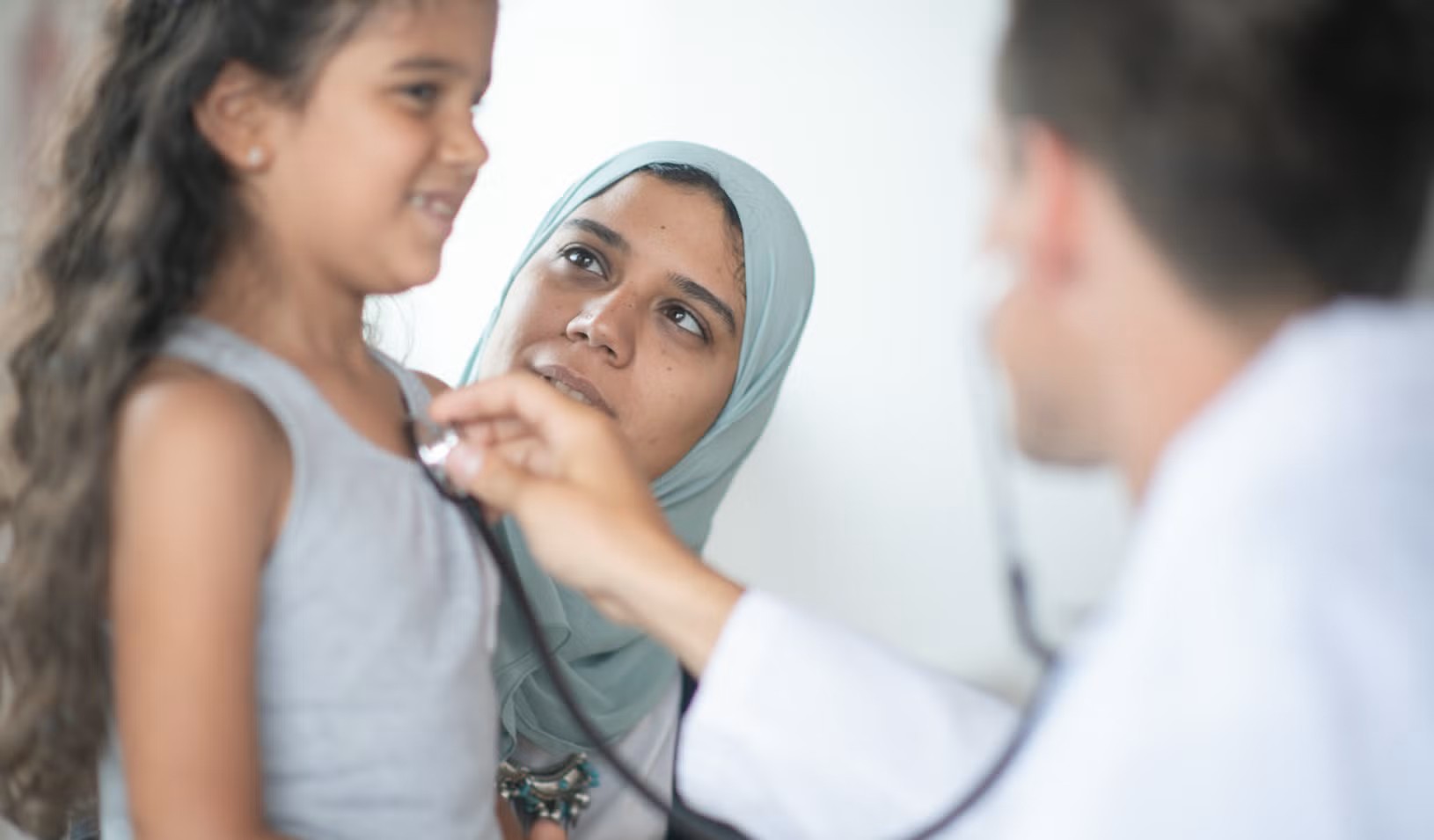 “The COVID-19 pandemic showed that reaching refugees and migrants with health interventions is feasible with political will,” the report says.
“The benefits of refugee-inclusive and migrant-inclusive health-care systems during emergencies such as COVID-19 and the war in Ukraine are apparent, with numerous examples of inclusive policy making being rapidly introduced and innovative models developed to support health-care access, including preventive measures such as vaccination,” it says.
“Lessons from these successes should be learned and incorporated into future policy and practice. However, global political and financial uncertainty and disruption – combined with multiple conflicts and natural disasters – have increased individuals’ need to move, which will continue to be exacerbated by the climate crisis,” the report says.
Although new conflicts and exacerbations of existing ones have led to a rise in forced displacement within and across national borders, labour migration has also risen dramatically, the report says.
The report says that migration and forced displacement continues to rise, driven by conflict, climate change, and economic instability.
“In 2024 more than 300 million people were international migrants, a number that has nearly doubled since 1990 – were they one nation, they would be the fourth most populous country,” it says.
“Human mobility is not an aberration or temporary crisis; it is an ineluctable feature of modern existence, yet it is considered an exceptional problem demanding extraordinary measures.
“Progress in the Commission’s original recommendations has been slow, and the scapegoating of refugees and migrants has intensified; a 2026 WHO review of its Global Action Plan identified persistent weaknesses in migrant health policy, governance, and data systems.
“The gap between what the evidence shows and what governments do has only widened,” the report says.
It says increasingly polarised politics is having a negative effect on migrant health.
“From calls to ‘stop the boats’ to even harsher asylum policies, migration is framed in the language of control, deterrence, and exclusion,” the report says.
“Yet migrants are workers and taxpayers, carers and neighbours. In many countries, the very people portrayed as burdens are those staffing hospitals and caring for ageing populations – often the worst paid, in the highest-risk jobs, and with the least access to the care they provide for others.
“In England, around one in five National Health Service staff report a non-British nationality, rising to more than a third among doctors. As workforces age, societies will depend even more on the people they are currently trying to exclude.
“These are not arguments to be won but facts already woven into how societies function. The fact that they must still be defended shows how much fear sets the terms above evidence.”
The report makes a call for action to: improve health-care access and optimise outcomes for refugees and migrants by emphasising health in all migration and forced displacement policies; and establish data systems to monitor progress, together with appropriate use of new technologies to improve access, prevent harm, and safeguard privacy.
It also calls for support for research on adaptation to, and mitigation of, the health consequences of climate change on refugees and migrants; and a renewed focus on the political determinants of health outcomes for people on the move.
“At this pivotal moment, with geopolitical, sociodemographic, and environmental turmoil, political leaders and societies can shape a better future by leveraging the human capital of migrants and upholding the human rights and dignity of all,” the report says.
“As more people are on the move, they cannot be left out of health-system planning,” it says.
“The Review’s renewed call is clear: embed health in every migration and displacement policy, strengthen data systems and support research, and confront the political determinants of who is protected and who is not,” the report says.
Read the full Lancet report: Migration: a reality, not an emergency – The Lancet