
 Loading tweets...


Refugee Week 2026 – Refugee engineer draws on her resilience
A Syrian refugee who arrived in Australia a decade ago with little English and no local experience has carved out a career as a senior engineer working on renewable energy projects that are critical to Australia’s economic future.
Jamila Alarkan says she made the most difficult decision of her life after arriving in Australia by deciding to continue with passion for engineering.
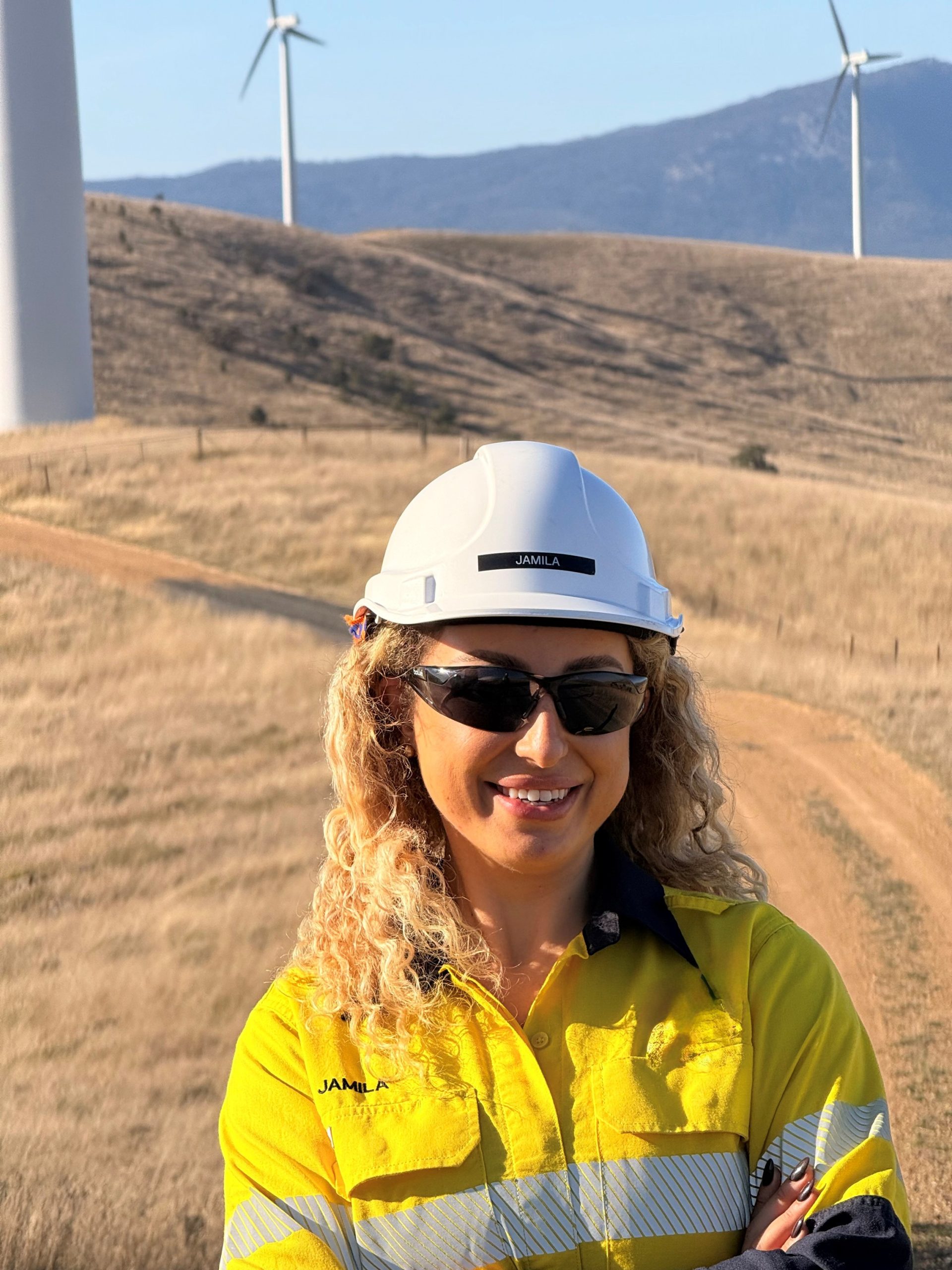
After arriving in Australia, Jamila set about improving her English and began the process of having her qualifications recognised.
Since then, she has forged a career in Engineering that deliberately encompassed a broad range of engineering projects in male-dominated environments.
Drawing on her experiences and the resilience she gained as a refugee, Jamila has become a leader in her field. In doing so she overcame perceptions about refugees, women and non-native English speakers.
Jamila is now a contract manager for a major engineering company in the renewable energy sector. She has also become an Australian citizen.
“Coming to Australia gave me the opportunity to rebuild my life and my career,” she said.
“I have been able to achieve more than I thought possible.”
Jamila graduated in engineering amid some of the fiercest fighting of the Syrian conflict and the destruction of the ancient city of Aleppo and with friends and classmates being killed.
Her undergraduate years were spent studying by candlelight in the bowels of an ancient convent as a bloody civil war raged around her.
As the bombs fell, Jamila stuck doggedly to her dream of becoming an engineer.
She also endured the effects of war, sickness and physical injury to pursue an education and the chance of a bright future.
For five years she battled the fallout from the conflict that has devastated her homeland, eventually graduating with a degree in mechanical engineering.
But with Syria in ruins and little chance of work, she took the gamble of her life and left her family behind in search of a future.
Now, settled safely in Melbourne, Jamila has embarked on a career in engineering.
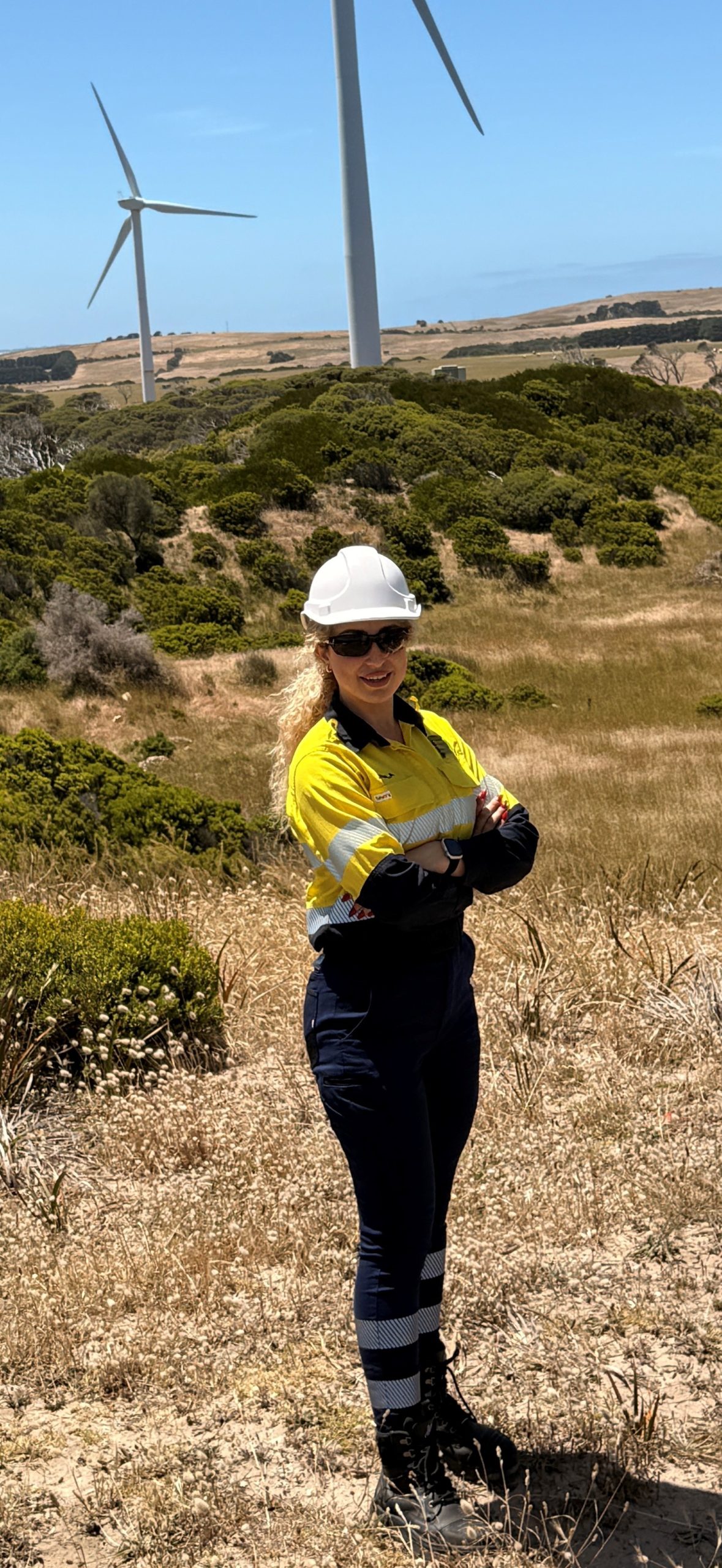
“Engineering has been my passion for as long as I can remember. My hero is my sister Dahlia who is ten years older than me and an engineer,” she said.
“I’ve always loved mathematics and science and when Dalia studied engineering, I loved the drawings she used in her course,” Jamila said.
“I’ve always enjoyed building things and making things work and I really love problem solving and finding solutions so I knew I wanted to be an engineer when I grew up,” she said.
“When I reflect on my journey, the achievements I value most aren’t just professional milestones. They are the quieter ones — becoming independent, finding my voice, standing on my own feet, building a legacy, repetition and being able to plan for the future instead of simply surviving day to day.
“If I were to offer advice to someone settling in Australia today, I would say: be patient with yourself. Find what you’re passionate about and hold onto it. Build community wherever you can. The journey takes time, and it isn’t always easy, but it is possible. The supports are there — you just need to find the right networks and learn how to navigate the system to access the support that suits your needs.
“After ten years, I feel a deep sense of gratitude — for safety, for opportunity, and for the life I’ve been able to build here. It hasn’t been simple, but it has shown me that with support, purpose, and determination, starting again can lead to something truly meaningful. I hope that one day my children will be proud to share this story — not just as a personal journey, but as part of a legacy that carries across generations of Australians, showing what can be built through resilience, opportunity, and giving back.
“I’m proud to be Australian-Syrian. I’m grateful for the opportunity Australia has given me, and I’m equally proud of the Syrian community here. So many people have rebuilt their lives from scratch, working hard, contributing, and doing their best to give back to society. I deeply respect them and feel honoured to be part of this community. Being able to call ourselves Syrian Australians is something I will always carry with pride.”
“When I arrived in Australia ten years ago, I came seeking safety, but I also arrived with skills, ambition, and a strong desire to contribute. Like many refugees, I didn’t come to be defined by what I had lost, but by what I was determined to rebuild. From the beginning, I was committed to working hard, learning quickly, and giving back to the country that gave me a second chance.
“Those early years were challenging in very real ways. One of the biggest hurdles was finding my first job as an engineer. Despite having qualifications and experience, getting them recognised in Australia was not easy. I quickly realised that overseas experience doesn’t always translate into opportunity.
“Not having “local experience” was another barrier, and there were times it felt discouraging — like I had to prove myself all over again. There were moments of frustration and self-doubt, but persistence mattered. I kept applying, learning, and adapting — each small opportunity became a stepping stone. Those early challenges did not diminish my ambition; they strengthened it and shaped the person and professional I would become.
“Engineering gave me a sense of purpose. I worked across both office and project site roles, contributing to major infrastructure and energy projects across different states in Australia.
Being part of projects such as oil, gas infrastructure, pipelines, power stations, and wind farms has been incredibly rewarding. It has given me the opportunity not only to grow as an engineer but also to give back to the Australian people by supporting essential services and infrastructure that communities rely on.
“Being able to give back to society through engineering — which is my passion — is something I take great pride in, and it’s something I will continue to do throughout my career.
“Australia is home for me now. I haven’t returned to my homeland since arriving. Gaining my Australian citizenship was a deeply emotional moment — it strengthened my sense of belonging and gave me a level of security and stability I hadn’t felt before. It allowed me to fully commit to building my life here.
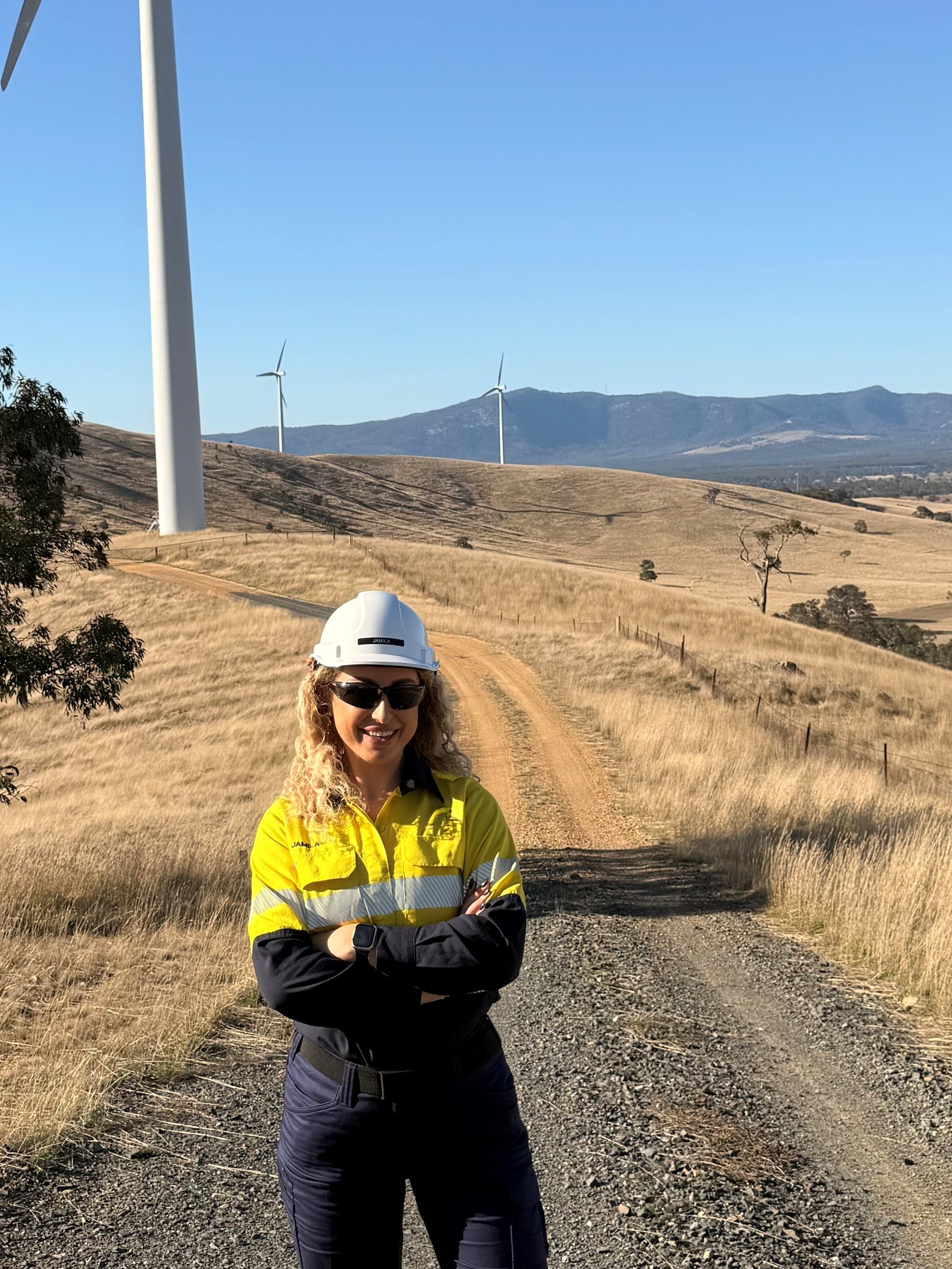
“I’m proud to be Australian-Syrian. I’m grateful for the opportunity Australia has given me, and I’m equally proud of the Syrian community here. So many people have rebuilt their lives from scratch, working hard, contributing, and doing their best to give back to society. I deeply respect them and feel honoured to be part of this community. Being able to call ourselves Syrian-Australian is something I will always carry with pride.” Jamila said.