
 Loading tweets...


Refugee Week – Refugee medico giving back
There are only a handful of internal medicine specialists in West Gippsland and only one that bulk bills all of his patients.
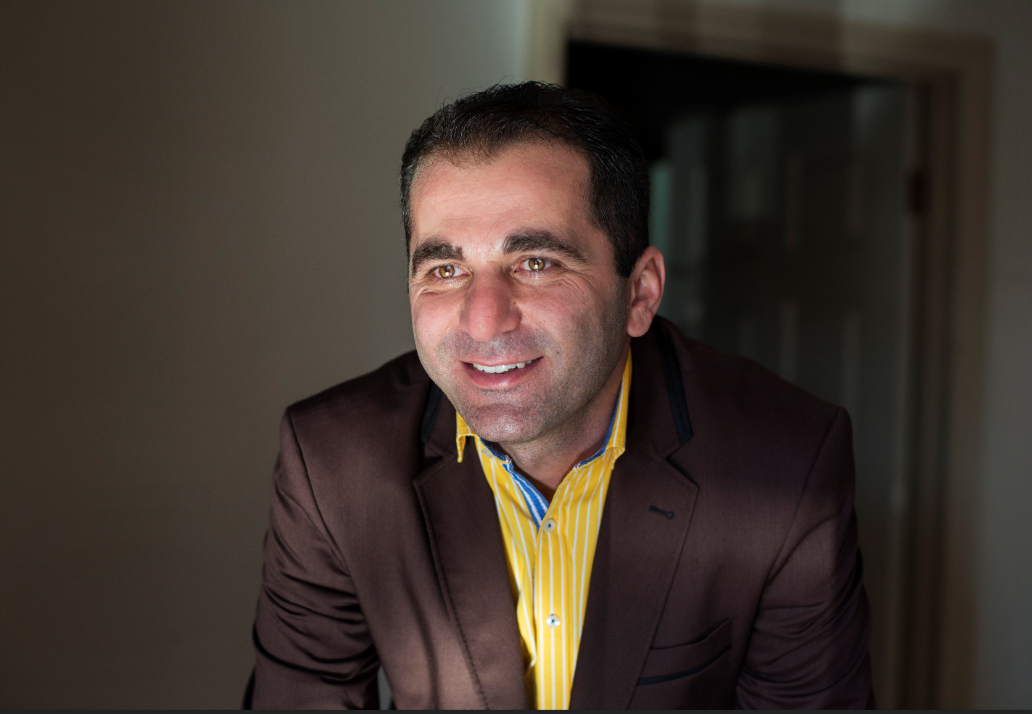
His name is Asseel Yako, and he is a refugee from Iraq who came to Australia a decade ago as a result of the conflict sparked by the rise of the militant Islamic groups ISIS.
Dr Yako spent four years working toward professional recognition so he could resume his career as a specialist physician in Australia after fleeing the conflict in his homeland.
The he worked at the West Gippsland Hospital in Warragul for five years between 2018-2023 as senior medical registrar before moving to the private clinics within the hospital.
He has bulk billed all of his patents regardless of their financial situation and half of the patients are from hospital admissions.
“I see this as a small, way of giving back to the community and to Australian society for giving my family refuge after we were forced to flee Iraq,” he said.
“We have been welcomed by the local community here in Gippsland and we have built a new life for ourselves.
“The early years were challenging but we worked hard as a family to adapt to life in Australia, to understand the culture and to try to fit in. Now we feel we belong here,” he said.
One key factor in this was Dr Yako achieving ‘specialist recognition’ as a physician in Australia.
He has been recognised by the Royal Australasian College of Physicians after spending two years training at Warragul Hospital. He is now a consultant physician.
Dr Yako is one of the few refugee doctors to gain recognition as a specialist in Australia although many have managed to become registered as GPs.
“It felt great. I want to thank everyone who has helped me along the way. It wasn’t easy but it’s been very rewarding. It’s an awesome feeling,” Dr Yako said.
“When I was trying to do this, many people told me I couldn’t do it,” he said.
Dr Yako was working as doctor in Iraq during when the conflict there broke out.
His daily work was tending to battlefield wounds suffered by soldiers or militia members fighting ISIS or patching up women children horrifically injured in explosions or gunfire.
He studied and worked as a doctor for almost twenty years but struggled to be able to resume his career after arriving in Australia.
For Dr Yako in his hometown of Qaraqosh even travelling to work at the city’s hospital was perilous.
“It was dangerous simply getting to work. There were bombs, kidnappings and people were killed on the street,” Dr Yako said.
“A friend of ours – a surgeon – just disappeared one day,” he said.
Dr Yako loved his work as a doctor in Qaraqosh – a largely Assyrian city in northern Iraq – and now he feels it is important to “give back” to the country that afforded his family sanctuary.
“Inside the town things were dangerous but OK for a while. We had different people coming from other parts of Iraq to the hospital in the town,” Dr Yako said.
“When the security forces were present, everything was fine but when they left after ISIS came it became ever dangerous,” he said.
Dr Yako took his family away from Qaraqosh and eventually to Jordan in August 2014.
“My wife was pregnant and about to go into labour. We moved to Erbil – a ten-hour road trip – and after a week my wife gave birth to our son Darwin,” he said.
The family stayed in Erbil until February 2015 when they moved to Jordan.
“We rented an apartment there and I worked as a volunteer in a refugee camp for Syrians and Iraqis because I was not allowed to work professionally,” Dr Yako said.
“We lived in a poor area in the town but even there, rents were very high and life was difficult,” he said.
“After one year our visa application was accepted and we moved here to Australia.
“We arrived in February 2017 and since then I have been working to reestablish my career and build as new life for my family,” Dr Yako said.
“We have settled well in Australia and are grateful to the Australian Government and people to be here. Life is good for us,” he said.
There are only a handful of internal medicine specialists in West Gippsland and only one that bulk bills all of his patients.
His name is Asseel Yako, and he is a refugee from Iraq who came to Australia a decade ago as a result of the conflict sparked by the rise of the militant Islamic groups ISIS.
Dr Yako spent four years working toward professional recognition so he could resume his career as a specialist physician in Australia after fleeing the conflict in his homeland.
The he worked at the West Gippsland Hospital in Warragul for five years between 2018-2023 as senior medical registrar before moving to the private clinics within the hospital.
He has bulk billed all of his patents regardless of their financial situation and half of the patients are from hospital admissions.
“I see this as a small, way of giving back to the community and to Australian society for giving my family refuge after we were forced to flee Iraq,” he said.
“We have been welcomed by the local community here in Gippsland and we have built a new life for ourselves.
“The early years were challenging but we worked hard as a family to adapt to life in Australia, to understand the culture and to try to fit in. Now we feel we belong here,” he said.
One key factor in this was Dr Yako achieving ‘specialist recognition’ as a physician in Australia.
He has been recognised by the Royal Australasian College of Physicians after spending two years training at Warragul Hospital. He is now a consultant physician.
Dr Yako is one of the few refugee doctors to gain recognition as a specialist in Australia although many have managed to become registered as GPs.
“It felt great. I want to thank everyone who has helped me along the way. It wasn’t easy but it’s been very rewarding. It’s an awesome feeling,” Dr Yako said.
“When I was trying to do this, many people told me I couldn’t do it,” he said.
Dr Yako was working as doctor in Iraq during when the conflict there broke out.
His daily work was tending to battlefield wounds suffered by soldiers or militia members fighting ISIS or patching up women children horrifically injured in explosions or gunfire.
He studied and worked as a doctor for almost twenty years but struggled to be able to resume his career after arriving in Australia.
For Dr Yako in his hometown of Qaraqosh even travelling to work at the city’s hospital was perilous.
“It was dangerous simply getting to work. There were bombs, kidnappings and people were killed on the street,” Dr Yako said.
“A friend of ours – a surgeon – just disappeared one day,” he said.
Dr Yako loved his work as a doctor in Qaraqosh – a largely Assyrian city in northern Iraq – and now he feels it is important to “give back” to the country that afforded his family sanctuary.
“Inside the town things were dangerous but OK for a while. We had different people coming from other parts of Iraq to the hospital in the town,” Dr Yako said.
“When the security forces were present, everything was fine but when they left after ISIS came it became ever dangerous,” he said.
Dr Yako took his family away from Qaraqosh and eventually to Jordan in August 2014.
“My wife was pregnant and about to go into labour. We moved to Erbil – a ten-hour road trip – and after a week my wife gave birth to our son Darwin,” he said.
The family stayed in Erbil until February 2015 when they moved to Jordan.
“We rented an apartment there and I worked as a volunteer in a refugee camp for Syrians and Iraqis because I was not allowed to work professionally,” Dr Yako said.
“We lived in a poor area in the town but even there, rents were very high and life was difficult,” he said.
“After one year our visa application was accepted and we moved here to Australia.
“We arrived in February 2017 and since then I have been working to reestablish my career and build as new life for my family,” Dr Yako said.
“We have settled well in Australia and are grateful to the Australian Government and people to be here. Life is good for us,” he said.