





 Loading tweets...


Rohingyas refugee facing worsening conditions
The situation and status of exiled the exiled Rohingya people is reaching crisis point with deteriorating conditions in refugee camps, a spike in maritime deaths and hostile receptions by neighbouring countries, new research says.
An analysis by the Australian National University’s Migration Hub found that the situation in the refugee camps housing Rohingya in Bangladesh and temporary shelters in Indonesia is deteriorating “not only because of the massive funding cuts but also insufficient safety provisions and natural disasters, forcing more Rohingya to move on and into indebtedness”.
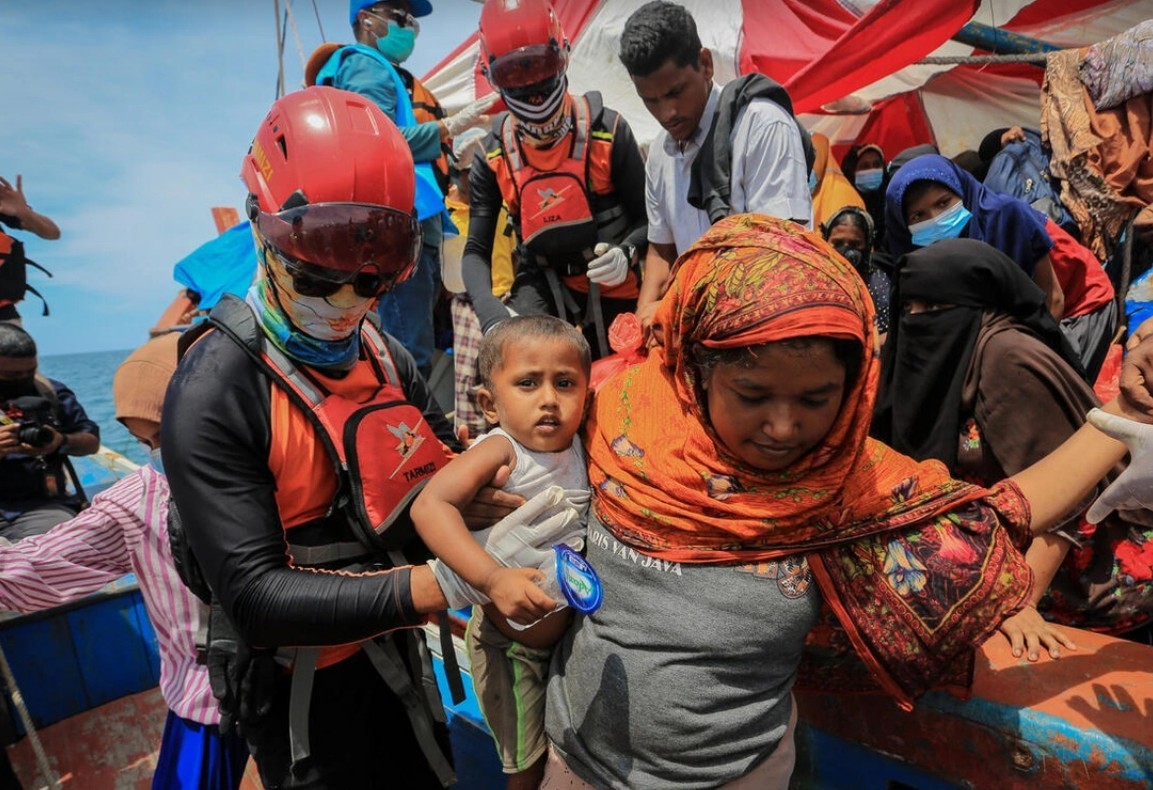
The analysis also says the numbers of maritime incidents and fatalities on boats in the Bay of Bengal and the Andaman Sea is on the rise, while older land-routes are also being revitalised by smuggling and trafficking networks.
 “And hostility against Rohingya is growing in Bangladesh, Indonesia and Malaysia, fuelled by targeted online mis- and disinformation campaigns that at times have provoked physical violence and renewed displacement,” the analysis said.
Researchers Antje Missbach, Gerhard Hoffstaeder and Abu Faisal Md Khaled said in the analysis report that as non-signatories to the 1951 Refugee Convention, Bangladesh, Indonesia and Malaysia treat Rohingya refugees with maximum discretion, exposing them to immigration raids, arrest, criminal prosecution, detention and deportation.
“Regulatory change in Malaysia, accompanied by the authorities’ collection of biometric data and voice recordings of Rohingya refugees, is intended to eventually replace UNHCR’s role in refugee status determination and human rights oversight more generally, but without the prospect of better local integration,” the report, titled ‘No Way Forward, No Way Back, said.
The report says the Rohingya are caught between a hostile regime in Myanmar that won’t recognise them as citizens, increasingly dire living circumstances and a lack of regional resettlement places.
“Given Myanmar’s continued refusal to recognise Rohingya citizenship or accept returns, repatriation remains untenable, leaving Rohingya refugees caught between hostile regional protection spaces and a country that will not have them back,” the report said.
“This continues to drive Rohingya towards the perilous boat journey across the Andaman Sea and Bay of Bengal, with fatal consequences: two boats were reported lost or believed to have sunk off Myanmar’s coast in July 2026, with more than 500 people feared dead (United Nations News, 2026).
“Following the reported sinking of one boat carrying an estimated 250 people, Médecins Sans Frontières and the signatories of an April 2026 open letter to the Australian Government called for urgent action to strengthen regional preparedness and search-and rescue capacity, warning that without it, tragedies of this kind will keep recurring (Médecins Sans Frontières, 2026).
“As co-chairs of the Bali Process, the regional body responsible for coordinating responses to irregular migration, Australia and Indonesia are particularly well placed to act. This could include resourcing Southeast Asian search and-rescue bodies and ensuring survivors are disembarked at the nearest safe port with appropriate post-rescue protection and reception conditions,” the report said.
Currently, about 1.2 million Rohingya are trapped in camps mostly in Bangladesh.
Most fled brutal attacks by Myanmar’s military in 2017 and they are legally barred from working in Bangladesh, leaving them largely reliant upon humanitarian aid to survive.
Read the full report: No Way Forward, No Way Back.pdf