
 Loading tweets...


What Australia Day means to me
Impact magazine asked a group of people from diverse backgrounds to reflect on what Australia Day means to them…
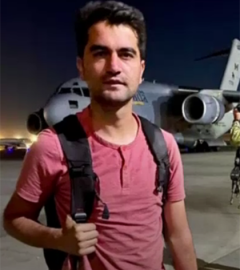
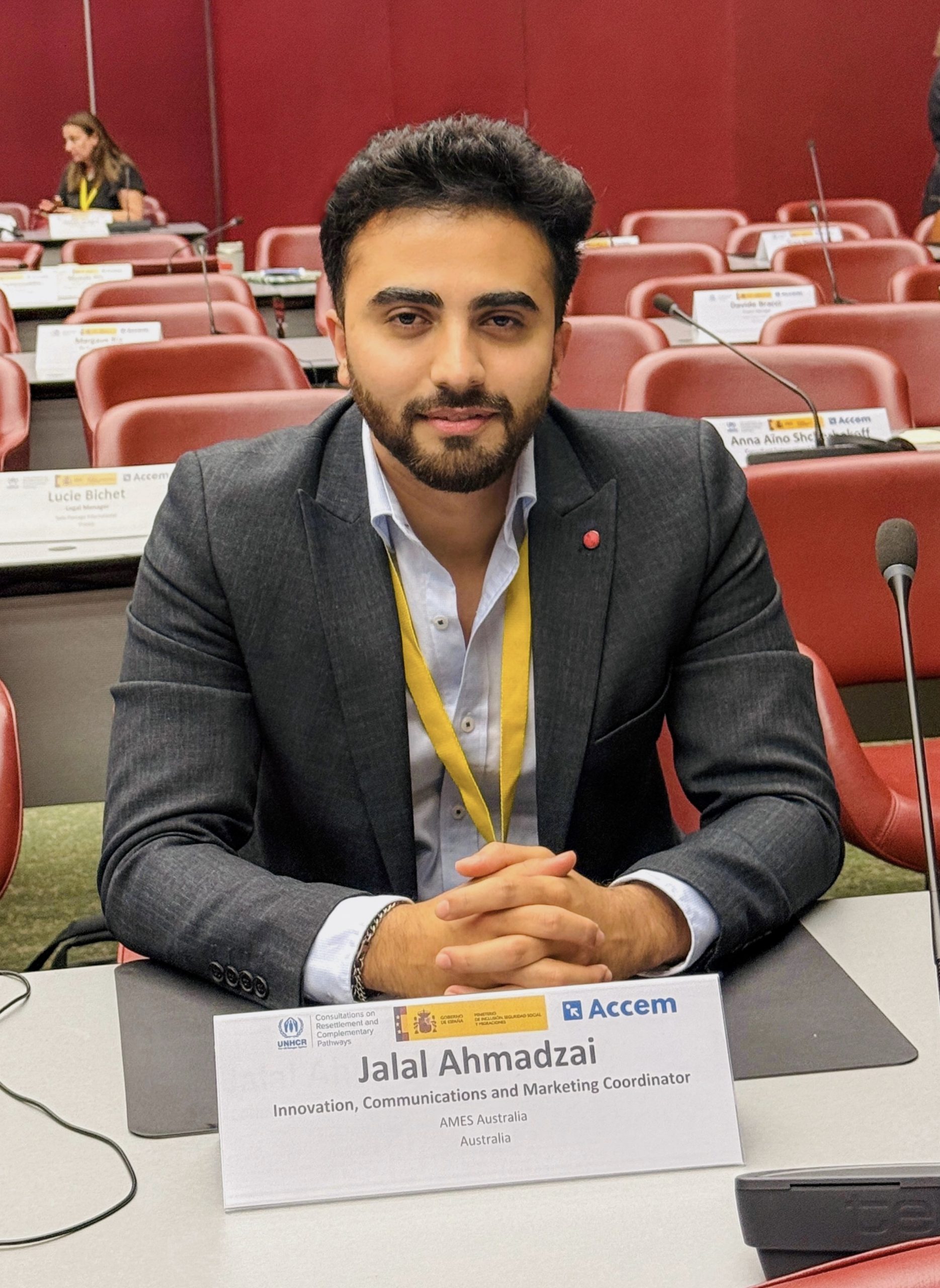
Jalal Ahmadzai is a refugee from Afghanistan. He recently became an Australian citizen
Just over 4 months ago, in September 2025 I took the pledge and became an Australian citizen.
On the occasion of Australia Day 2026, I reflect on the significance of the fact that I became a citizen of Australia and that it did not erase my past, but it gave me a sense of belonging and dignity.
 For thousands of refugees around the world a chance to resettle is the ultimate dream. Australia gave me and my family an opportunity to reset and restart in a safer, more inclusive environment. It has been a place where we’re able to dream big and work towards a better future and bigger goals every day.
Australia Day marks the arrival of the First Fleet and is a national day of pride and celebration for many Australians. It is a day where people of all ethnic backgrounds and colours are able to come together and celebrate a nation that has given everyone so much to be proud of.
However, for many Indigenous Australians, it is a day that marks the beginning of colonisation and dispossession. It marks the start of a long and difficult period of suffering for countless indigenous communities. It is crucial that we acknowledge their losses and display empathy towards those who have experienced the pain of colonisation.
For many refugees and migrants who are new to Australia, Australia Day is a monumental occasion to learn about the history of the country they now call home and integrate into their new society.
Australians should have the chance to celebrate the nation they love and cherish the values that they hold dear while being vocal about the drawbacks of colonial rule including dispossession of land, genocide, separation of families as well as racial, religious and gender apartheid.
For many new Australian citizens like me, national days are a reminder to appreciate the country and the people that have given us a chance to be ourselves and have a fair go. Like many Afghans today, I carry two identities. I am Afghan, shaped by my history and resilience. And I am Australian, shaped by opportunity and hope.
My Afghan roots live in my heart and make me who I am. I strive to honour my past and my new home together, carrying both identities with pride as I aspire to build a future where I can belong to both equally.
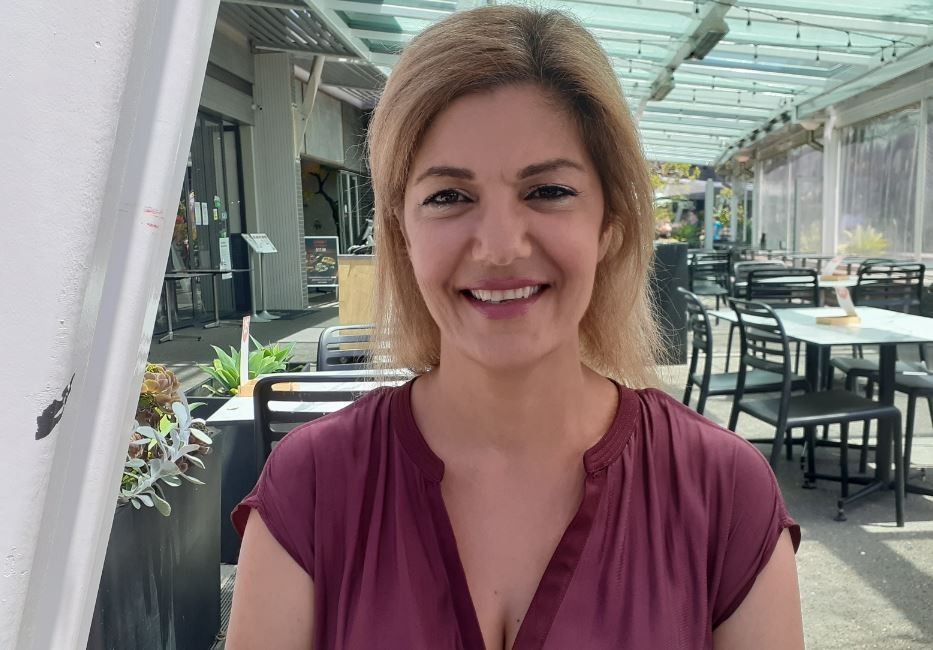
Norma Medawar is a refugee from Syria. She recently became an Australian citizen.
I arrived in Australia in 2015 as a refugee from Syria seeking safety and a chance to rebuild my life after fleeing the civil war in Syria.
I recently became a citizen because it was a way of showing my commitment to this country.
So, for me, Australia Day is about my citizenship and all that represents.
 My life now revolves around this country. As I citizen, I get to vote and have a say in the way the country is run – which is important to me. In Syria that was never the case.
Celebrating Australia Day makes us stop and think about all of the advantages we have in this country. This year, I will celebrate the day with a small gathering of family and friends.
In 2022 I made my first visit home to Syria since I left in the middle of the civil war. It triggered was an overwhelming mix of emotions.
I felt happiness at seeing my father, I felt nostalgic about the sights and smells of my homeland so familiar from my childhood.
But I also felt sadness at the conditions in which so many people are living and concern about the future of the country.
The recent fall of the Assad regime has given people in Syria hope for the future, but things are still uncertain, and many people have difficult lives.
When I was in Syria, across the country there were electricity shortages with power on only one hour in five.
There were also shortages of petrol, gas and bread and many Syrians are struggling because of rising prices. The average monthly salary is just $A35. I read that 90 per cent of people in Syria are living below the poverty line.
But there was also a divide between places where the war was remote – which seem wealthy with hotels and bars everywhere – and other places badly affected by the war where there is poverty and homelessness. And I saw children aged just 10, 11 or 12 working.
I met a woman and her daughter whose son had been killed in the war. She was living on a pension of 60,000 Syrian pounds a month, or $A20. With the cost of living in Syria the way it is, that is not enough to buy food, let alone anything else. I don’t know how she was surviving.
Despite all this, most Syrians remain resilient, and people seem to have gotten used to the way things are.
So, Australia Day, for me, is about my citizenship and my commitment to this country and it is reminder of how lucky we are to live in a peaceful, harmonious society where there is support for people who live in difficult circumstances.
Saw Thura is a recently arrived refugee from Myanmar
For me Australia Day is a symbol of the freedoms and legal protections we enjoy in this country.
I came to Australia two years ago as a refugee from Myanmar. I was forced to leave because I had been targeted by criminal gangs operating coercive scam factories on the Thai-Burma border.
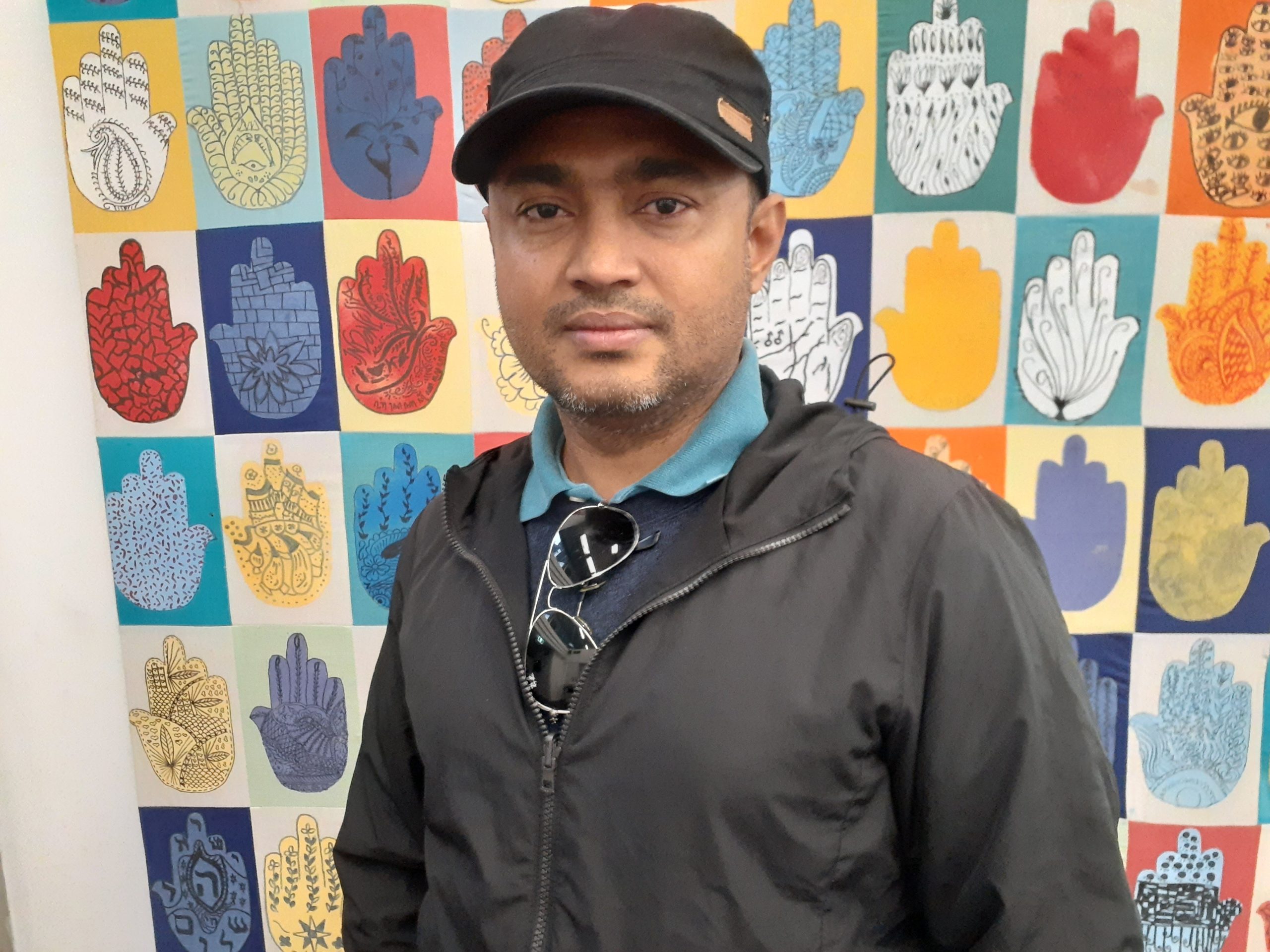 I started as an activist with a small not-for-profit organisation supporting displaced refugees in our region, mainly persecuted minorities such as the Karen and Chin.
Our charity provided food and it ran classes for refugee children. We started out delivering food and other aid to some of the 11,000 refugees along the border. But then we also started trying to help people who had been trafficked and kidnapped by the scammer gangs operating in the region.
We believe there are more than 70,000 victims inside the scam centres. They come from a range of developing countries, including India, Sri Lanka, Nepal, China, Bangladesh, Vietnam, the Philippines, Ethiopia, Uganda, Morrocco and other African nations.
They are forced to operate online and phone scams that steal money from people in wealthy countries. The scam operations are only possible because of the lack of accountable government in Myanmar.
Australia Day is a reminder to me that in Australia we have democracy and the rule of law. People here have rights and cannot be trafficked or exploited by criminals without sanction.
I know there is debate about the actual date of the Australia Day, but whatever the date, it is a day to celebrate the free, tolerant and democratic society we live in here in Australia.
Helen Truong’s parents arrived in Australia as refugees from Vietnam in the 1970s
Australia Day for me a time to reflect on how lucky we are to life in a successful multicultural society.
I am from an ethnic Chinese family. My parents came to Australia from Vietnam in the 1970s.
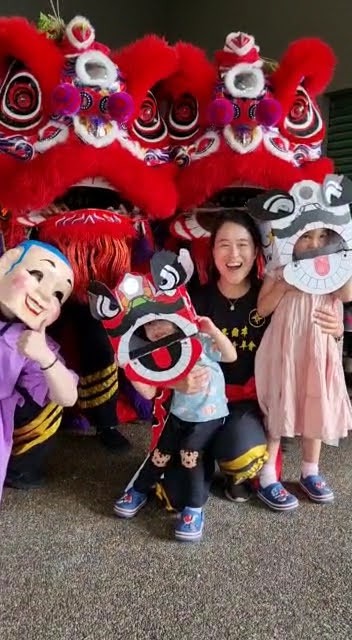 I grew up hearing stories of how dangerous and fearful it was leaving Vietnam on a boat. My mum would recount how the captain of the boat stole the radio out at sea and abandoned them, so they were without communication.
Luckily, another vessel rescued them and, somehow, they ended up in a refugee camp in Indonesia. All they could think about during this journey was whether they were going to live or die.
I had a bit of an identity crisis growing up in Melbourne. At times I was the target of racist remarks at school. Whenever we went out as a family, I‘d get embarrassed. Like going to Chadstone shopping centre, or going to the beach during summer, because we looked and spoke different to other people.
My mum always relied on me to translate if we went into a shop to buy something or ordering food at a restaurant. It felt like all the Caucasian people were looking at us. In hindsight they were probably looking as us because I was looking at them to see if they were looking at me.
I was extremely self-conscious of how we appeared in front of other people, and this actually affects me still to the day – my self-image. I think I got this from my mother. She was very conscious of ‘appearing normal’ in front of others. The only times I didn’t feel inferior and odd, is when we went to places like Springvale, Richmond, Chinatown, because there were a lot of Asians there. I felt like I could fit-in, and I looked like everyone else. It didn’t feel weird speaking Cantonese to my parents.
Reflecting on my childhood and growing up in Melbourne, I am incredibly proud of my history and would not change anything about my past. It has shaped who I am today. I love the multicultural society we live in now, and seeing new migrants awkwardly trying to fit in reminds me of how far the previous generation of migrants have come.