




 Loading tweets...


Yemen crisis deepens
Almost 120,000 people have been displaced inside Yemen since fighting broke out along the country’s west coast and about 3,000 have fled by sea to Djibouti, according to the UN’s refugee agency UNHCR.
Yemen’s Houthis, who are supported by Iran, have increased attacks on Saudi Arabian cities and energy infrastructure while advancing along Yemen’s Red Sea coast towards the Bab el-Mandeb Strait, a key shipping route.
In response, the Saudi and Yemeni air forces have bombarded Houthi targets.
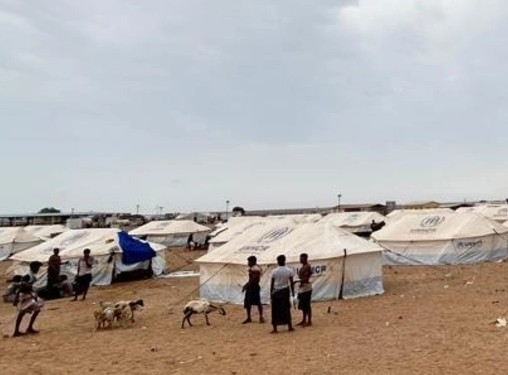 Nearly 3,000 people have crossed the Gulf of Aden to Djibouti in the Horn of Africa in less than a week as escalating violence has forced more families to flee, UNHCR, told reporters in Geneva.
The government of Djibouti is preparing for the arrival of up to 10,000 refugees – which will add acute pressure on the country’s health care and education services, the agency said.
The UN’s migration agency IOM said in a statement that people are travelling on overcrowded boats and with very little fod and water. Most are Yemeni families seeking refuge in Djibouti.
IOM said it was also seeing migrants, mainly from Ethiopia, also heading to Djibouti.
Authorities in the semi-autonomous territories of Somaliland and Puntland are also reporting increased arrivals from Yemen, including Yemeni refugees and Somali refugee returnees, according to UNHCR.
UNHCR described the fighting as being “a crisis on top of multiple crises” as the country’s health services and economy have collapsed because of a lengthy conflict been the Saudi-backed Yemeni administration and the Houthis that has created one of the world’s biggest humanitarian crises.
The Houthi advance comes as Iran and US continue in stalemate with oil shipments through the Strait of Hormuz and the Bab el-Mandeb Strait being severely reduced.
The two shipping channels have become a strategic chokepoint for global oil and commodities shipping, almost seven months after US and Israeli attacks on Iran.
Yemen, the Arab world’s poorest country, was pushed to the brink of famine in an earlier phase of the civil war, which killed an estimated 150,000 people.
A Saudi-led blockade, along with the Houthis’ repressive rule and detention of UN and aid workers, has made life miserable in the now-expanding territory under rebel Houthi control.
UNHCR and partners are on the ground providing temporary shelter, transportation, relief items, food, water and health care, while supporting the Government of Djibouti and the national refugee authority with reception, registration and protection activities.
Djibouti already hosts some 36,000 refugees, mainly from Somalia and Ethiopia, and the latest arrivals from Yemen are placing further pressure on an already stretched response.
Currently, UNHCR’s Djibouti operation is only 15 per cent funded, and UNHCR urgently requires an estimated $US5.1 million to ensure that refugees arriving from Yemen can access registration, reception, protection and essential services.
“Our operations inside Yemen are just 18 per cent funded, and an additional $US14 million is urgently needed to provide shelter, relief items and site management support to newly displaced families,” UNHCR said.