



 Loading tweets...


Young multicultural Australians – a complex picture
FECCA Conference 2026
Young people from multicultural communities are not choosing between cultures but building layered identities while also navigating systems where belonging can be conditional, a major conference has heard.
Researchers from the Social Policy Group (SPG) and the Multicultural Youth Advocacy Network (MYAN) surveyed more than 1000 people from multicultural communities on identity and belonging.
Presenting their preliminary findings at the recent Federation of Ethnic Communities Councils of Australia (FECCA) conference, the researchers found multicultural young people are not choosing between cultures, they are building complex layered identities often without peer support or safe spaces to address their issues.
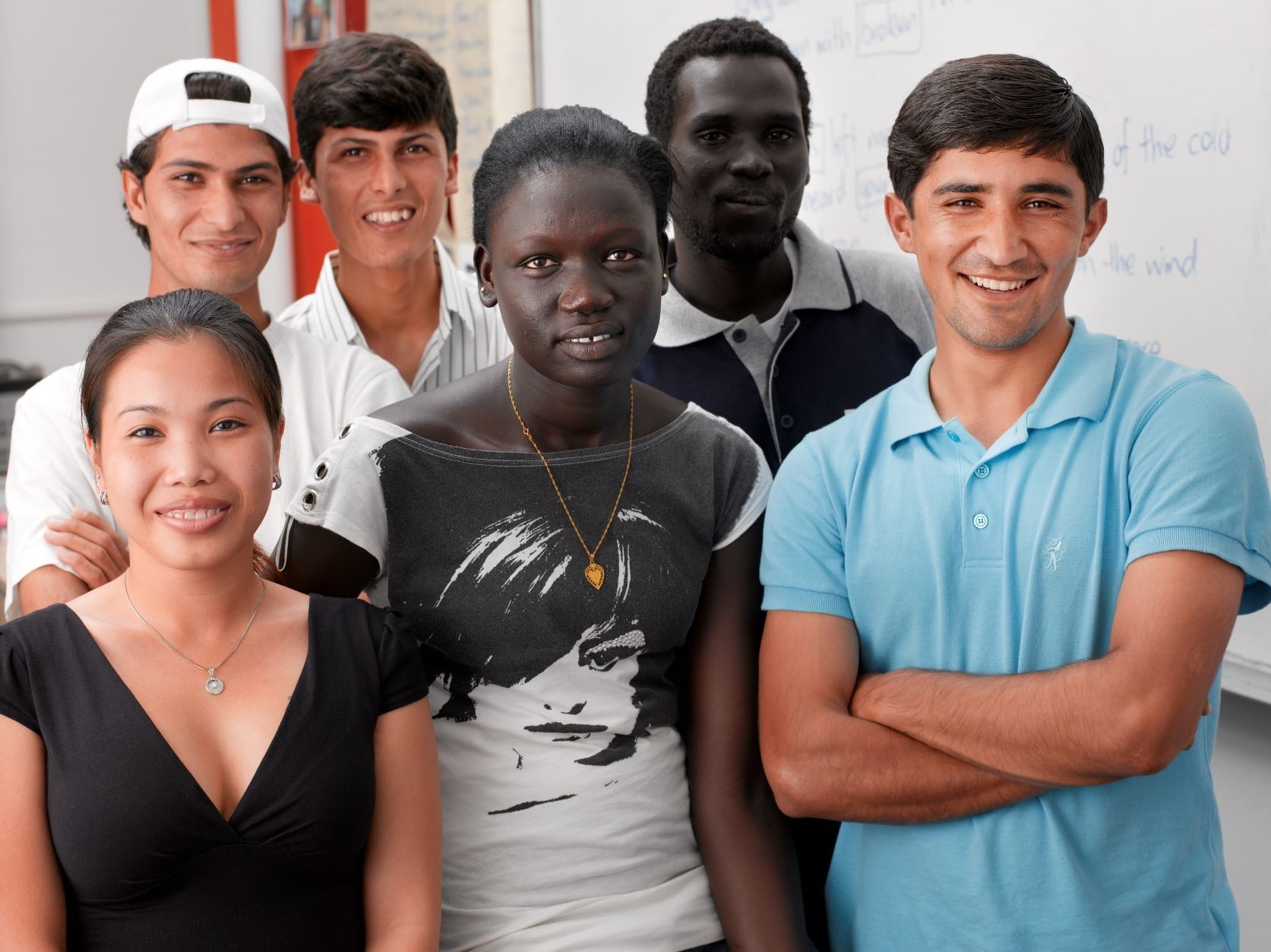 Thirty-five per cent of people surveyed identified as bicultural, 21 per cent as a mix of cultures, 19 per cent as multiracial and 21 per cent as Australian.
The research found Australian and heritage identities often coexist rather than compete.
It found young people from communities often carry a “cultural load” through the often invisible labour of maintaining heritage, culture, language and family expectations while navigating mainstream Australian society. It found women experienced more pressure.
The research found second generation migrants are a policy “blind spot” with only 23 per cent of young people accessing multicultural programs, compared with 38 per cent for first generation respondents.
The researchers found that racism remains persistent across generations and can weaken access to Australian identity. And the young people often struggle with identity without culturally sensitive spaces where people can navigate these tiered identities.
But they also found that the notion of being ‘Australian’ is understood through values and relationships.
The research found young people linked Australian identity with fairness, inclusion, belonging and shared civic participation, and understood as culturally layered and evolving.
It found belonging was actively negotiated across home, school, work and community and it was underpinned by acceptance and safety, visible representation, accent appearance and religion as well as citizenship and legal security.
SPG researcher Nick Ross said the survey revealed a complex picture of multicultural young people.
“At the core of our study was to challenge the idea that multicultural identity is a problem to be solved,” he said.
“Young people are actively navigating this and creating identities for themselves, and this has implications policy makers, universities and schools.
“We found that multicultural youth identify with Australia and also with heritage cultures.
“Young people are dealing with issues around identity and belonging often alone and often in informal ways,” Mr Ross said.
Among the recommendations in the report were a national youth identity and belonging strategy, a focus on second generation migrants, anti-racism accountability and sustained youth co-design.
Also recommended was cultural safety and anti-racism education in schools, name blind recruitment, recognition of intercultural skills and community-led safe spaces.