





 Loading tweets...


Family, food and festivity
Katherine Kwong reflects on the importance of the Lunar New Year celebrations for her family and her community.
As we welcome the Year of Horse, communities around the word including here in Australia, are coming together to celebrate Lunar New Year and Chinese New Year. This celebration in our communities has an immense cultural importance. It’s a time of tradition, family and looking forward to the year ahead with hope.
Family, food and festive traditions

At its core, Lunar New Year and Chinese New Year are about family and community. Leading up to the festival, it’s a tradition for families to clean their homes. This is not just about spring cleaning; it’s a symbolic act to sweep away any bad luck from the past year and make the house clean and ready to welcome good fortune.
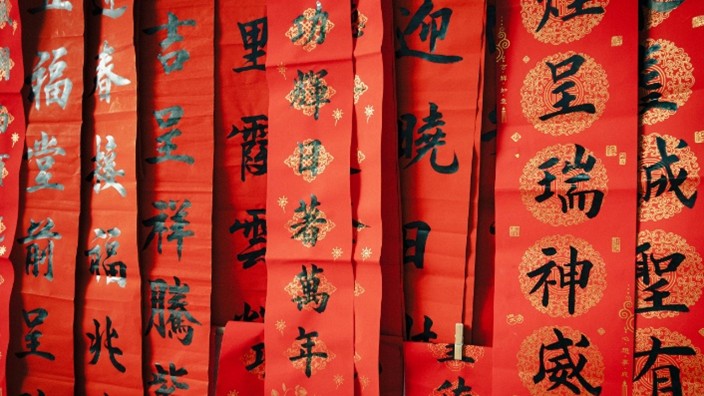
Then, homes are decorated in bright red and gold — colours symbolising new life, prosperity, happiness and wealth. You will often see red paper cutouts and poetic “spring couplets” displayed on doorways, these are chosen to convey blessings for the year ahead.
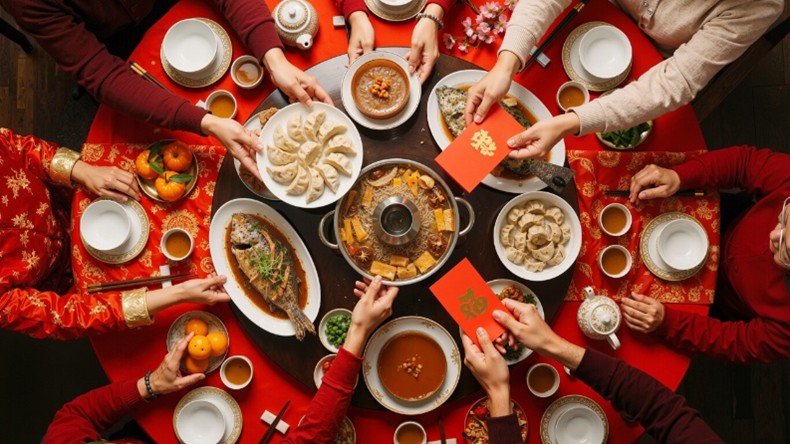
Also, the heart of the celebration is the New Year’s Eve reunion dinner, where families gather for a big feast. Every dish served is rich with symbolic meaning, turning the meal into hopes for the new year.
As for my family, we ate the following dishes:
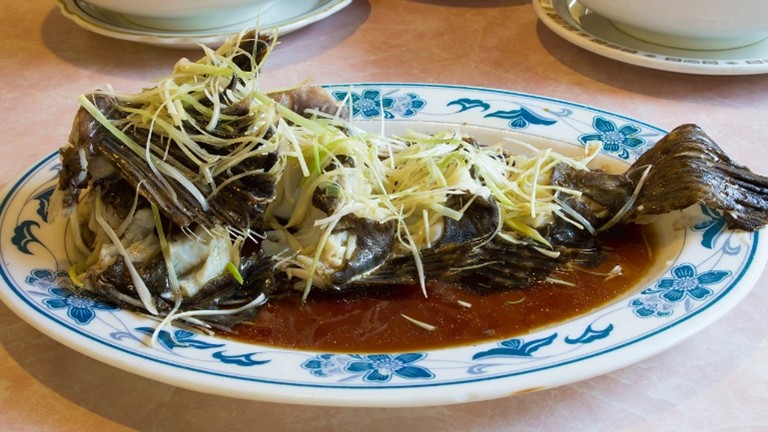
Whole Fish (鱼): Fish represents abundance and surplus. The word for fish, pronounced as yú, sounds like the word for ‘surplus’. This serves as a strong beginning and a good end to the year. We purposely left some overs to represent this ‘surplus’ continues.
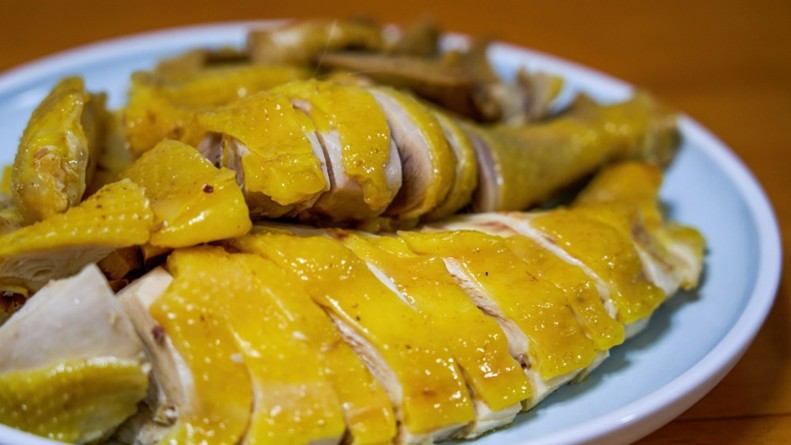
Whole Poached/ Roasted Chicken (白切鸡): Like the fish, a chicken served whole with head and feet intact. It represents family unity, completeness and a good start. It’s a wish for the family to remain whole and prosperous.
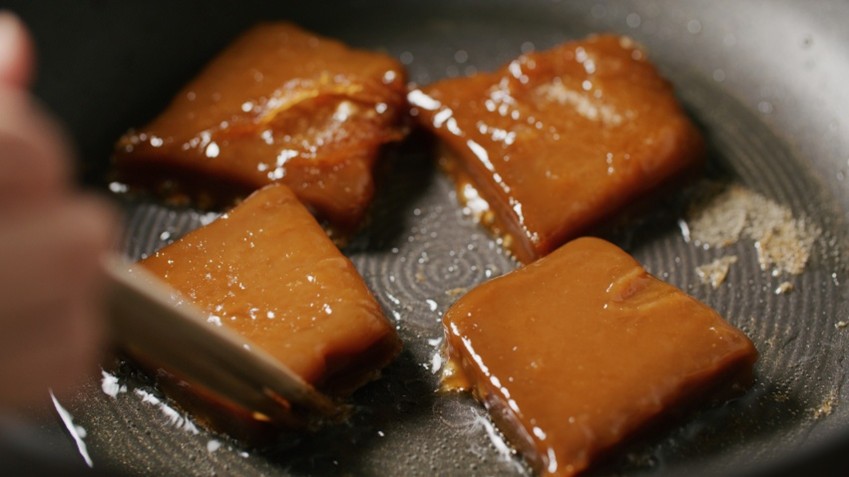
Sticky Rice Cake (年糕): The pronunciation of this dish in Chinese sounds like “higher year”. It symbolises growth, progress and raising oneself higher in all aspects of life, from career to grades.
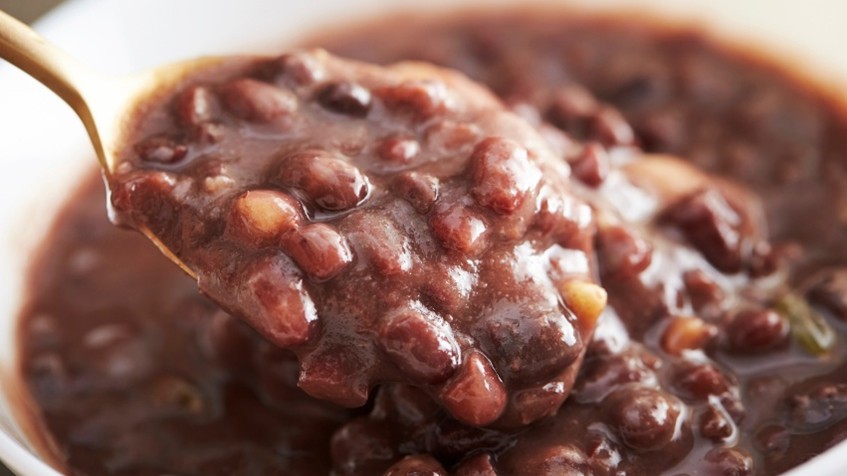
Red Bean Soup (红豆沙): A warm, sweet and comforting dessert soup made from adzuki beans, often flavoured with dried tangerine peel. It symbolises warmth, sweetness and togetherness.
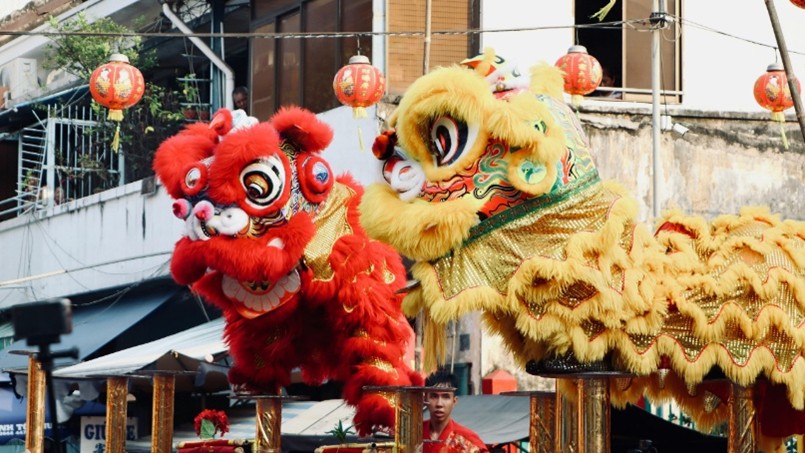
Beyond our homes, the communities gather with the sound of drums and cymbals during lion and dragon dances. These lively performances are believed to chase away evil spirits and bring good luck for the community. The lion symbolises luck and happiness, while the dragon represents bravery and power.
The meaning of red colour and the Red Envelope
You will notice the colour red is everywhere. Its significance comes from an ancient legend of a mythical beast called Nian, who would come to terrorise villages. The story goes that Nian was afraid of the colour red, loud noises and fire. So, people began pasting red decorations on their doors, lighting firecrackers and burning lanterns all night to scare the beast away. From this, red became the colour of joy, happiness, fortune and is believed to ward off evil spirits.
This is also why people give red envelopes (known as ‘hongbao’ in Mandarin or ‘lai see’ in Cantonese). These envelopes, filled with money, are traditionally given by married couples and elders to children and unmarried younger people as a symbol of good luck and blessings.
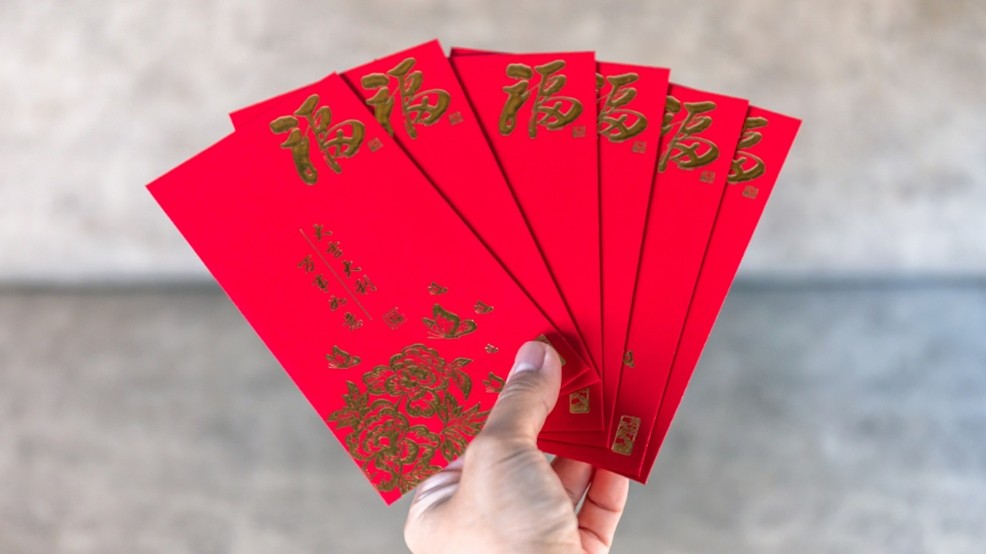
The tradition has its own legend about a demon named Sui, who was believed to harm children on New Year’s Eve. It was thought that money wrapped in red paper could scare Sui away and protect the child, wishing them health and safety. Nowadays, the amount inside is often given in even numbers (these are considered as lucky), but the number four is avoided because it sounds like the word for ‘death’.
The meaning of Horse
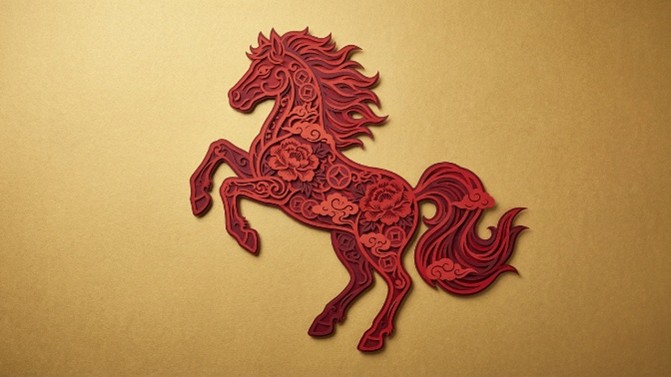
The horse is the seventh animal in the 12-year Chinese zodiac cycle. People born in Horse years are often seen as adventurous, confident, sociable and energetic.
This year, we welcome the Year of Horse and specifically, the ‘First Horse’. With this fire element added, this year is believed to be filled with dynamic, passionate and powerful energy. It’s seen as an ideal time for pursuing ambitious projects and taking bold steps.
Why the debate – Chinese New Year vs Lunar New Year?
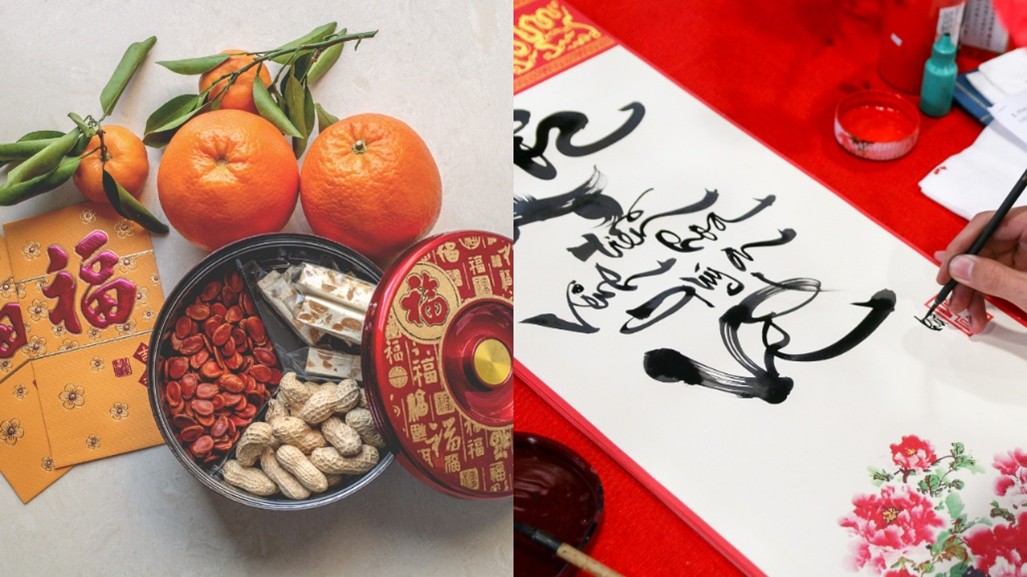
You might see both terms used and sometimes it can lead to debate. This is because they represent different ways of looking at the celebration.
- From a cultural origin perspective: Many feel “Chinese New Year” is the most accurate name because the holiday’s origins, the Chinese zodiac and many of its core traditions are fundamentally Chinese. The historic Chinese calendar itself is a complex lunisolar calendar (based on both the moon and the sun), so calling it “Lunar New Year” does not fully capture the story.
- From a geographic and inclusive perspective: As the celebration spreads across Asia, each culture adapted it with its own unique customs. Using “Lunar New Year” is a way to be more inclusive of all the different communities that celebrate it, without centring one culture over another. This is why you will see international organisations like the United Nations use the term “Lunar New Year” in their greetings.
So, you can use both terms! Using “Chinese New Year” acknowledges the cultural roots of the festival and using “Lunar New Year” can acknowledge the beautiful diversity of celebrations happening across Asia and the world.