


 Loading tweets...


Human displacement remains at record levels – UNHCR report
Human displacement remains at a record high despite a slight drop in the numbers people forced to flee their homes, according to a new report from the UN’s refugee agency UNHCR.
The ‘Global Trends 2026’ report said forced displacement of people due to conflict or persecution fell in 2025 for the first time in a decade.
But the agency warned that number of people forced to flee their homes or nations was still alarmingly high at almost 118 million.
At the end of 2025, 41.6 million people were refugees, about 5.4 million people were forced to flee and seek safety in other countries during 2025 and seven in ten refugees originate from just six countries – Afghanistan, South Sudan, Sudan, Syria, Ukraine and Venezuela.
The total number of people forcibly displaced by conflict, violence or persecution at the end of 2025 was 117.8 million, the report says.
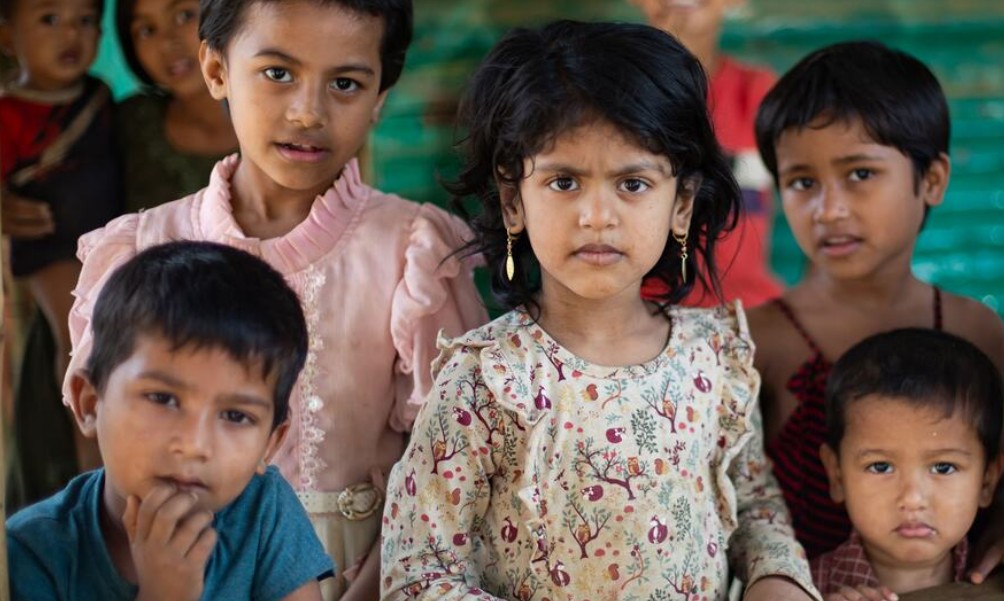
The figure includes refugees, asylum seekers, internally displaced and other groups in need of international protection.
It’s the first time in a decade the statistic fell. Behind the decline is both an increase in people who returned home and the fact that many refugees acquired citizenship of their host countries, the report said.
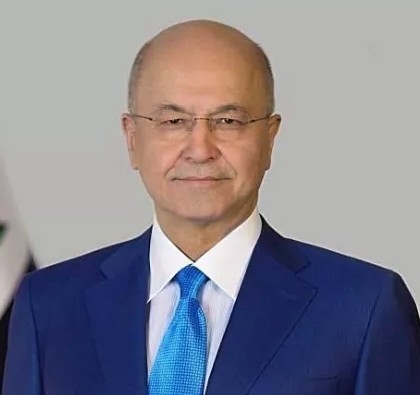
The UN High Commissioner for Refugees Barham Salih said the number of those displaced globally, mostly by conflict, was unacceptably high.
While Colombia, Germany and Turkey hosted more than 2 million refugees each, the majority live in low- to middle-income countries, the report said.
Despite a 3 per cent fall from the previous year, 5.4 million people crossed an international border in 2025 seeking refuge.
And seven out of 10 refugees have lived in exile for five years or more, often trapped in sprawling camps in poor nations.
Mr Salih said humanitarian assistance has saved lives.
“But it was never intended to sustain generations of people indefinitely,” he said.
UNHCR aims to slash by half the number of refugees in protracted displacement who are dependent on humanitarian assistance by 2035.
There were 68.7 million people displaced within their countries last year. The ongoing war in Sudan was behind the largest displacement in the world with 9.1 million people forced to flee their homes. Colombia, Syria, Yemen and Afghanistan also have large displaced populations.
Projections for 2026 did not look much better. With the Iran war erupting in February, 3.2 million people had been displaced by March inside Iran, and by mid-May, one million were displaced inside Lebanon.
“This is truly unacceptable and we must make sure this doesn’t become a new normal,” Mr Salih said.
Syria, Afghanistan and Sudan welcomed 90 per cent of the 4.4 million refugees who returned home in 2025 – the second highest number since UNHCR began keeping records sixty years ago. Another 10.3 million internally displaced people returned to their areas of origin last year.
But Mr Salih warned that many of those who went back did so under pressure and without basic infrastructure and conditions for a dignified life.
“Voluntary returns to post-conflict Syria and returns under pressure to Afghanistan are not the same thing,” he said.
Among stateless people, of which the Rohingya from Myanmar make up the largest group, only 46,000 acquired citizenship in 2025.
The number of refugees resettled in third counties which fell sharply from 188,000 in 2024, largely because of the US’ exit from the humanitarian sector.
Mr Salih said only a fraction of those in need were being resettled, urging governments to expand legal pathways for refugees to be relocated.
“Every dangerous sea crossing and every death in the desert represents a failure of the international community. The human cost of the failure is measured not with statistics but with lives,” he said.
Mr Salih called for a “paradigm shift” to end the situations where 70 per cent of refugees are trapped in exile for years with many living below the poverty line.
“For too many refugees, displacement starts as a lifeline but lasts a lifetime. We need a paradigm shift that creates a new sense of hope and opportunity for people fleeing war and persecution.”
Mr. Salih outlined a concrete and measurable goal: to reduce by more than half, over the next decade, the number of refugees in long-term displacement who are reliant on humanitarian assistance – focusing on low and middle-income countries where most refugees are hosted.
The initiative would expand opportunities for voluntary returns, humanitarian visas and relocation, while transitioning refugees from aid dependency to self-reliance through access to education, healthcare, financial services and labour markets.
Read more here: https://www.unhcr.org/global-trends