


 Loading tweets...


Refugee convention marks 75 years under existential threat
This month marks the 75th anniversary of the 1951 Refugee Convention, which was created in the wake and amid the wreckage of World War II to help people fleeing war, violence and persecution.
Australia was a leading driver of the global treaty and one of the first nations to sign up.
On any analysis, the Convention had saved millions of lives and became the cornerstone of modern refugee protection but today, it is under threat.
Record human displacement, tightening asylum rules, and new conflicts are testing that global protection system.
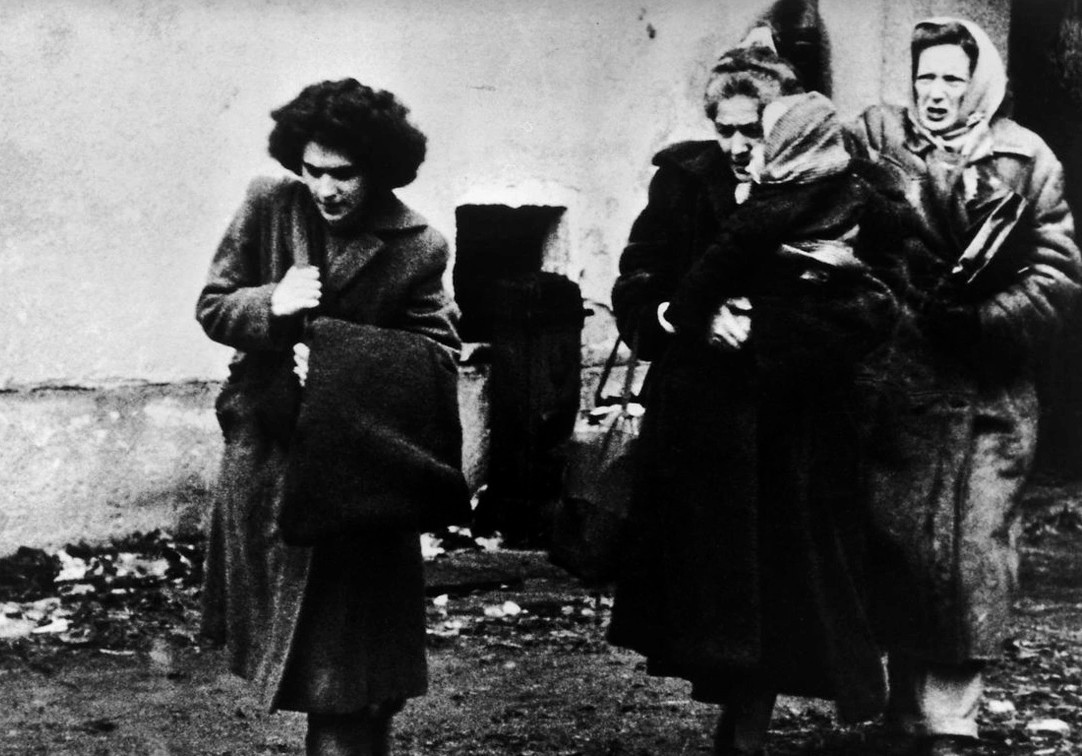
Almost 120 million people worldwide are currently forcibly displaced by war, persecution and according to the UN.
Nearly 70 per cent of displaced people are hosted by low- and middle-income countries and the International Committee of the Red Cross has counted more than 130 armed conflicts around the globe.
Conflicts in Gaza, Sudan, Ukraine, Myanmar and elsewhere continue to drive new waves of displacement. At the same time, many governments are tightening border controls and adopting increasingly restrictive asylum policies.
So far, Australia is not one of them.
The European Union marked the anniversary by reaffirming its commitment to the convention, describing it as “the essential legal framework” for protecting refugees.
“The Convention has had a profound global impact in safeguarding millions of lives,” the EU said in a statement.
But the EU has also joined a growing trend in the West of watering down refugee protections and tightening asylum rules amid rising displacement and a surge in the popularity of the far-right.
And the US has effectively reduced its refugee intake to zero. And recently, the Trump administration announced a new rule that could speed up the deportation of hundreds of thousands of asylum seekers.
Observers say that the Convention cannot survive a US retreat.
The NGO Global Refuge says the US made the refugee system global but is now testing Its limits.
“We are living through the largest displacement crisis ever recorded. Yet the US refugee system is operating with outdated infrastructure, inconsistent policies, and chronic underinvestment,” the agency said.
The UN refugee agency UNHCR is scrambling to garner continuing global support for the convention as well as financial support and resettlement places for those most in need of protection.
Throughout 2026, the agency is convening a series of national, regional and global dialogues examining whether the existing protection system is equipped for today’s realities.
The discussions bring together governments, refugees, civil society organisations and academics to address what UNHCR describes as growing fragmentation in refugee protection.
“At a time of record displacement, shrinking protection space and mounting pressure on asylum systems, the 1951 Convention remains the most practical and comprehensive framework for refugee protection,” UNHCR said.
The year-long consultation will culminate in Geneva in December before informing a “New Agenda for the Future of Protection and Solutions”, expected in early 2027.
The convention took key steps toward defining what a refugee is, laying out their rights, and establishing standards of treatment. Nearly 150 countries are parties to the convention.
It codified a simple but powerful principle that people forced to flee persecution, conflict or violence must be able to find safety and protection.
Its core principle is ‘non-refoulement’, which prohibits the return of people to a place where they would face persecution, torture or other serious harm. It is underpinned by the principle that no society is immune to war, persecution or sudden upheaval.
Three refugees living in Australia reflect on the impact of the Convention on their lives:
Jamila Aarkan is Syrian refugee who arrived in Australia a decade ago with little English.
She and her family fled the brutal conflict in her homeland and faced persecution, poverty or worse ad they remained.
Jamila has leaned English, qualified as an engineer, become a citizen and built a new life.
“Coming to Australia gave me the opportunity to rebuild my life and my career,” she said.
“I have been able to achieve more than I thought possible. I do not know what would have happened to me if I stayed in Syria but none of this would have been possible with the refugee protection in the convention,” Jamila said.
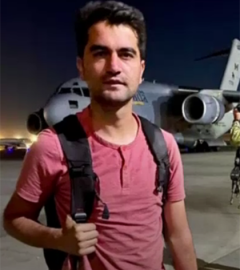
Afghan refugee Shafiq was forced to leave his homeland because of his connections with foreign agencies when the Taliban took power in 2021.
“We had to leave Afghanistan because of the threats to us. We were able to come to Australia and rebuild our lives in safety and security. My kids, especially my daughter, have opportunities in education and their future careers,” Shafiq said.
“None of this would have been possible without the global refugee systems and protocols,” he said.
Jahar is an Eritrean refugee who survived conscription by a brutal military regime, the harsh conditions of a notorious military camp and ten years as a refugee living precariously in Sudan.
Thanks to the global refugee program he is now building a new life in Melbourne.
“I am working and studying to be an electrician which means that I am creating a new life for myself here in Australia. This is only possible because there are; pathways for refugees to find safety and a chance to life a normal life,” he said.
See a speech from the UN’s High Commissioner for Refugees Barham Salih marking 75 years of the Refugee Convention: https://www.unrefugees.org/news/2026/7/high-commissioner-s-speech-marking-the-75th-anniversary-of-the-1951-refugee-convention/