

 Loading tweets...


Refugee’s long journey to safety
Eritrean refugee Jahar Mussa Mahmud survived conscription by a brutal military regime, the harsh conditions of a notorious military camp and ten years as a refugee living precariously in Sudan.
Thanks to Australia’s humanitarian and refugee settlement programs he is now building a new life in Melbourne.
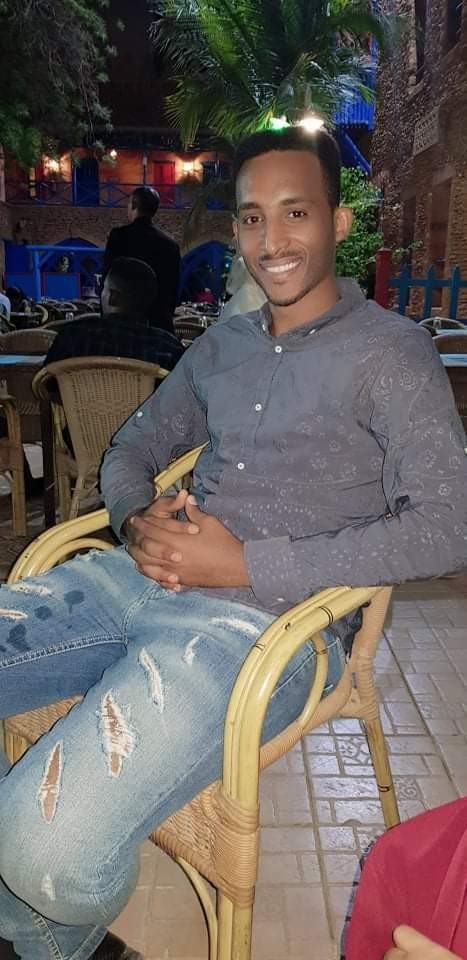 After being supported his uncle, who lives in Australia, Jahar arrived in Melbourne in 2025.
He has since gained driving and forklift licences, begun English lesson and now has a job in a warehouse.
He is also regularly playing soccer with a group of friends and intends to join a club.
“Australia is a beautiful country, but it was difficult for me at first. I had to start learning the English language and learn about how everything works,” Jahar said.
“But after a month, I was doing well. I have now been here one year and two months and life is good.
“I am trying to assimilate, to talk to people and to get to know the country. I have had great support from my uncle and from AMES,” he said.
Jahar, who currently lives with his uncle in Roxburgh Park, plans to study to be an electrician.
“I’m working mornings at the moment, but my employer has agreed to move me to an afternoon shift, so I can study in the mornings.
“I want to improve my English and also study to be an electrician. When I am able, I also want to get my own home,” he said.
But Jahar’s journey to Australia was a difficult one.
Like many of his countrymen, he was conscripted into the military in Year 12 and forced to train and study in harsh circumstances.
When he was assigned to go and fight in a regional conflict, he and group of friends decided to flee to Sudan, which has been the scene of a brutal civil war over the past three years.
Arrested by the military at the border, he was jailed for three months before finally escaping his homeland.
He spent ten years living as a refugee in precarious circumstances before being granted a humanitarian visa to come to Australia.
“It was a difficult time in Sudan; food was short sometimes. But it was even more difficult for women and children,” Jahar said.
But now he is optimistic about the future.
“I have had great support from my uncle and from AMES. Life in Australia is a good. This is a place for me, and I can see opportunities ahead. But the best thing about Australia is freedom,” Jahar said.
AMES support worker Neneh Fitzmaurice said Jahar’s journey was evidence of the value and need for complimentary humanitarian pathways.
“Jahar has found safety and a new life in Australia. He began contributing socially and economically to this country shortly after arriving and he has ambitions for the future,” she said.