




 Loading tweets...


Social cohesion holding up in Australia – survey finds
Social cohesion in Australia remains high but is coming under stress, the latest Scanlon Foundation survey on the issue has found.
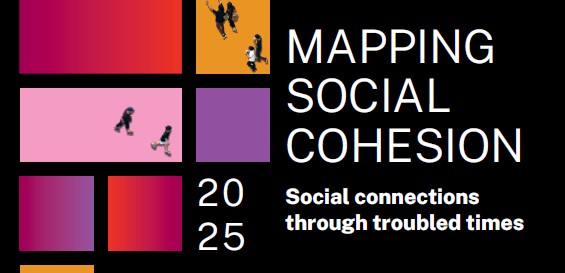 The ‘Mapping Social Cohesion Report 2025’ found that the level of social cohesion remained the same as in 2023 and 2024, highlighting the resilience of Australians social connections.
The report found 84 per cent of Australians agreed that multiculturalism has been good for the country and, on average, 79 per cent of Australians are either happy or very happy.
It found people living in cohesive neighbourhoods were more likely to attain a great sense of belonging at 65 per cent.
“People who perceive strong cohesion in their neighbourhoods and actively participate are more likely to have a great sense of belonging in Australia, to believe that most people can be trusted, be happy and accepting of immigrants,” the report’s lead author Dr James O’Donell said.
But it also found levels of prejudice and discrimination towards some immigrants and faith groups remains persistent.
Two in five Australians born in Africa and Asia experienced discrimination in the past year, the report said.
It found 48 per cent of respondents thought immigrants take jobs away and concerns about the economy and housing are detracting from a sense of multicultural harmony.
Financial circumstances remain the most important factor associated with social cohesion, the report found.
It concluded that, in 2025, national and global events laced pressure on Australian society.
Previously recorded declines in national pride and belonging have eased but are still relatively low. Forty-six per cent of adults said they had a “great” sense of belonging in Australia, compared with 63 per cent in 2020.
But the proportion of millennials have a great sense of belonging has declined from 64 per cent in the 2010s to 34 per cent today.
“Differences in ‘sense of belonging’ are clear, with younger people, those identifying as poor and those from non-English speaking backgrounds recording the lowest levels,” Dr O’Donnell said.
Across the Australian population feelings of happiness vary and social disconnection weighs more on younger people, the report found.
Sixty-five per cent of young men and 61 per cent of young women say they feel isolated from others some of the time or often.
“One of the most significant findings has been the resilience of the Australian population.
Given the multiple national and international events that have resonated through our various media channels. This resilience is, in part, the result of our connectedness and the resulting social bonds that are particularly characteristics of our local neighbourhoods,” the report said.
“This clearly demonstrates the effectiveness of programs and inclusive environments created by local councils but also the responsibilities that sit with them to maintain and strengthen these bonds.
“Financial hardship continues to be a weight on our social cohesion and will need to be a necessary focus for governments in the coming year particularly for the younger generations.
“Recognising the diversity of issues that are faced across the generations, Australians are generally happy and their trust in government has increased slightly since the 2024 survey.
Thirty-seven per cent of people said the Federal Government could be trusted to do the right thing by the Australian people all or most of the time. At the most recent federal election voters increased their trust in the government from 33 per cent to 37 per cent,” the report said.
Read the full report: Mapping Social Cohesion 2025 – The Scanlon Foundation Research Institute