 Loading tweets...


Unwanted doll a symbol of victims of conflict
‘Zainab Sajjadi is a former refugee from Afghanistan. To mark Refugee Week, she has written about the symbolism and emotional connections generated by her purchase of an unwanted doll on the streets of Kabul’.
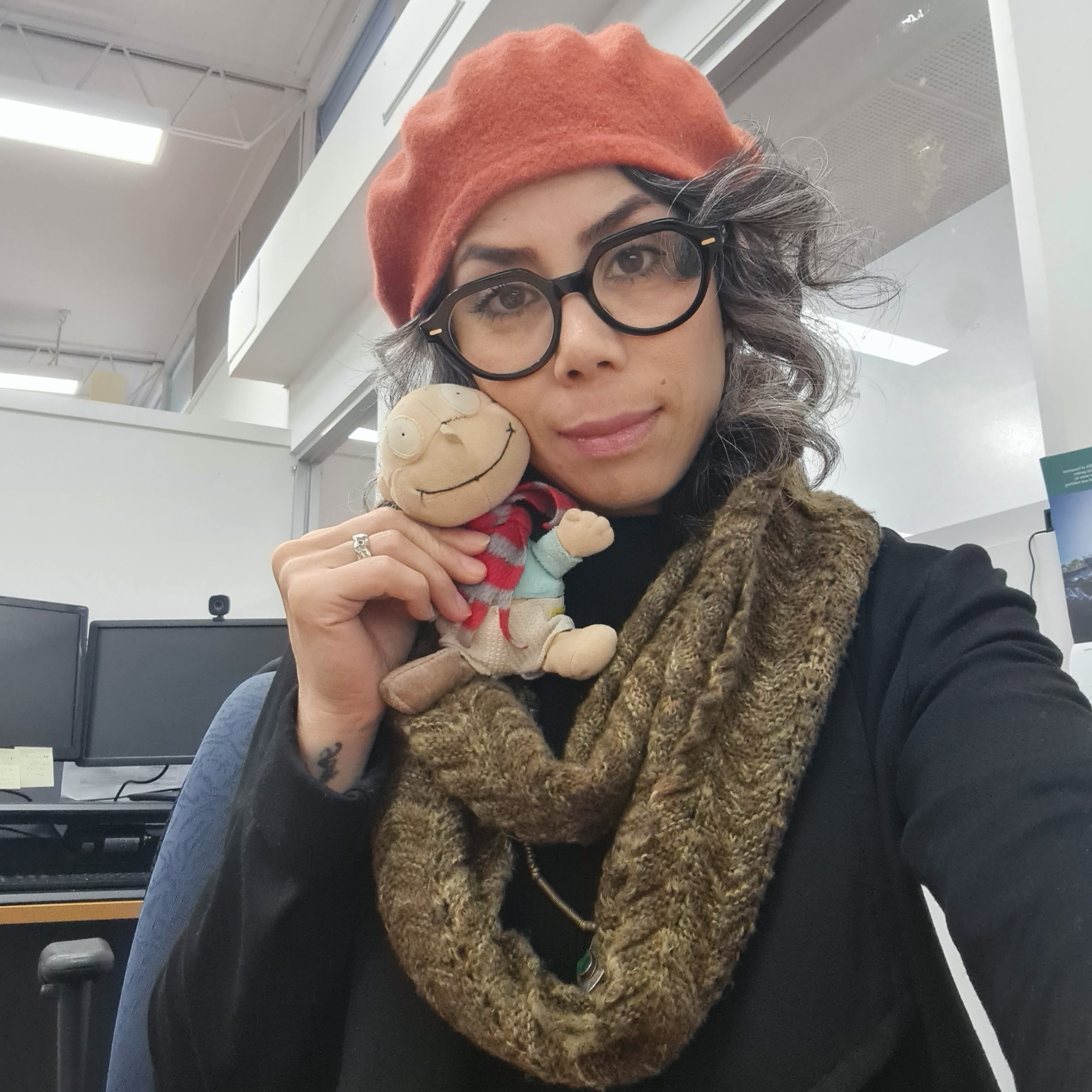
Zalmai sat among dozens of colourful dolls in a street vendor’s stall on Pole Sorkh Street in Kabul, looking just like one of them—but no buyers were in sight. He looked almost like a doll, yet something about him stood out.
I picked him up. His left leg was missing. His neck was torn, his nose cut off. I asked the vendor, “Is this one for sale too?”
He glanced at me and said, “Among all these perfect dolls, maybe a special person will buy the broken one.”
“How much?” I asked.
“Whatever you want to pay.”
I handed him ten Afghanis and took Zalmai with me.
In that moment, I didn’t just buy a doll – I adopted a child. Right there on the street, I named him Zalmai. It’s a Pashto name, though I am Hazara. I didn’t care. He was mine. A boy whose face had been disfigured, who had lost a leg – maybe in a suicide bombing, maybe from a Soviet-era landmine. Who knows?
I took him home and whispered into his ear, “You will be my adopted son, even though you’re a doll with no leg.”
As soon as I arrived home, I washed him gently. I stitched his neck and patched his nose. As I sewed, I felt like I was drowning in a sea of words, memories, grief – everything war had taught me about loss.
When I left Afghanistan for Iran, I took him with me. I asked Amna, my mother’s friend who was good with a needle and thread, to make him a prosthetic leg.
Later, when my sister came from Canada, she offered to take him back with her. “Maybe he’ll have a better future there,” she said.
She took him. But when my Australian visa was finally approved, I asked her to send Zalmai back. I couldn’t bear to be apart from him any longer. He deserved a family, a home – he deserved a father waiting on the other side of the world.
When my first child, Ryan, was born, and old enough to understand, I sat him down and said, “Zalmai is not just a doll. He’s your brother—saved from war, from homelessness, from being forgotten. Treat him like family.”
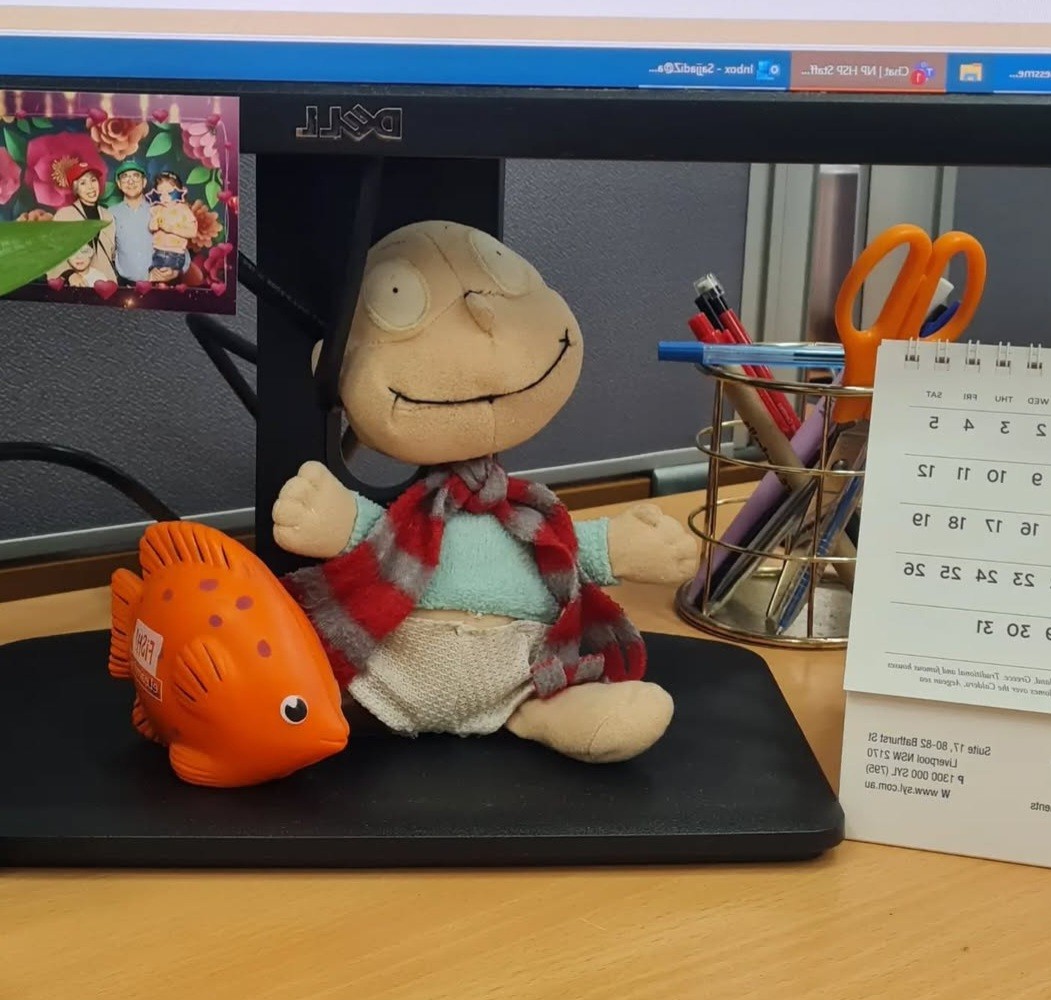
I told Ryan the story of Zalmai’s missing leg, the scar on his throat. And Ryan accepted him, as only a child can.
Today, I brought Zalmai with me to work. I took a photo of him sitting beside me and thought I wish I had the courage to adopt a real child – a war orphan, a boy left behind, or a girl without a mother.
Damn war. Wherever it is in the world, it’s always the same – ugly, cruel, and senseless. It leaves children legless, voiceless, and alone. My heart aches. I was born into war. I know what it tastes like, how it smells. It never leaves you.
Our lives hold entire chapters written in the ink of suffering – written with blood, smoke, and fire. For those of us who’ve fled war, we carry it with us always, no matter how far we go.
And now, once again, war is in the headlines – right in the middle of Refugee Week. The irony stings and waking up to news of another war is the worst kind of morning.
The story of Zalmai might sound silly to some. But to me, every time I see him, I’m reminded of the children we’ve lost. The ones who never had a chance.
Zalmai is not just a doll. He is a memory. A wound. A hope.
By Zainab Sajjadi